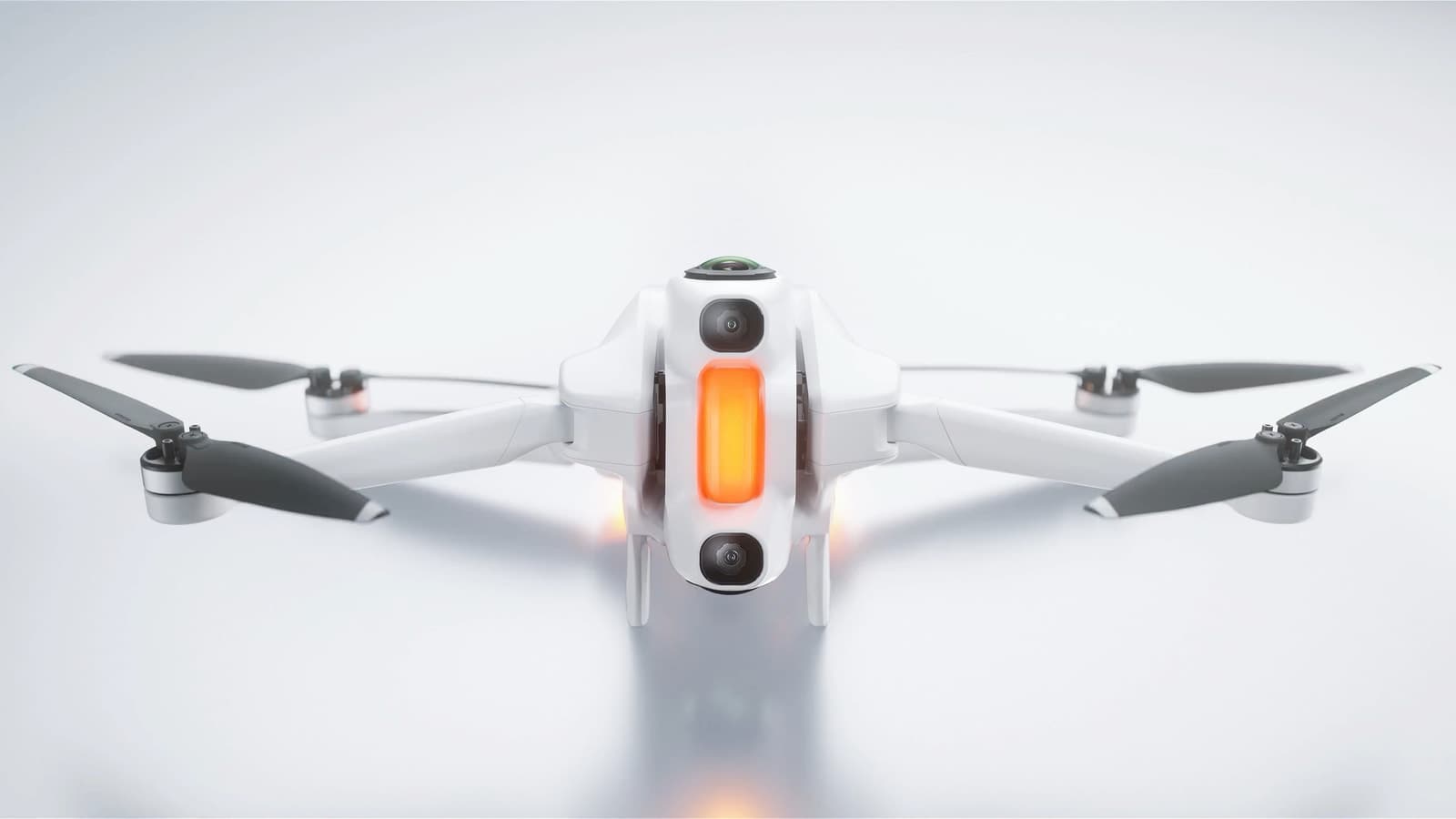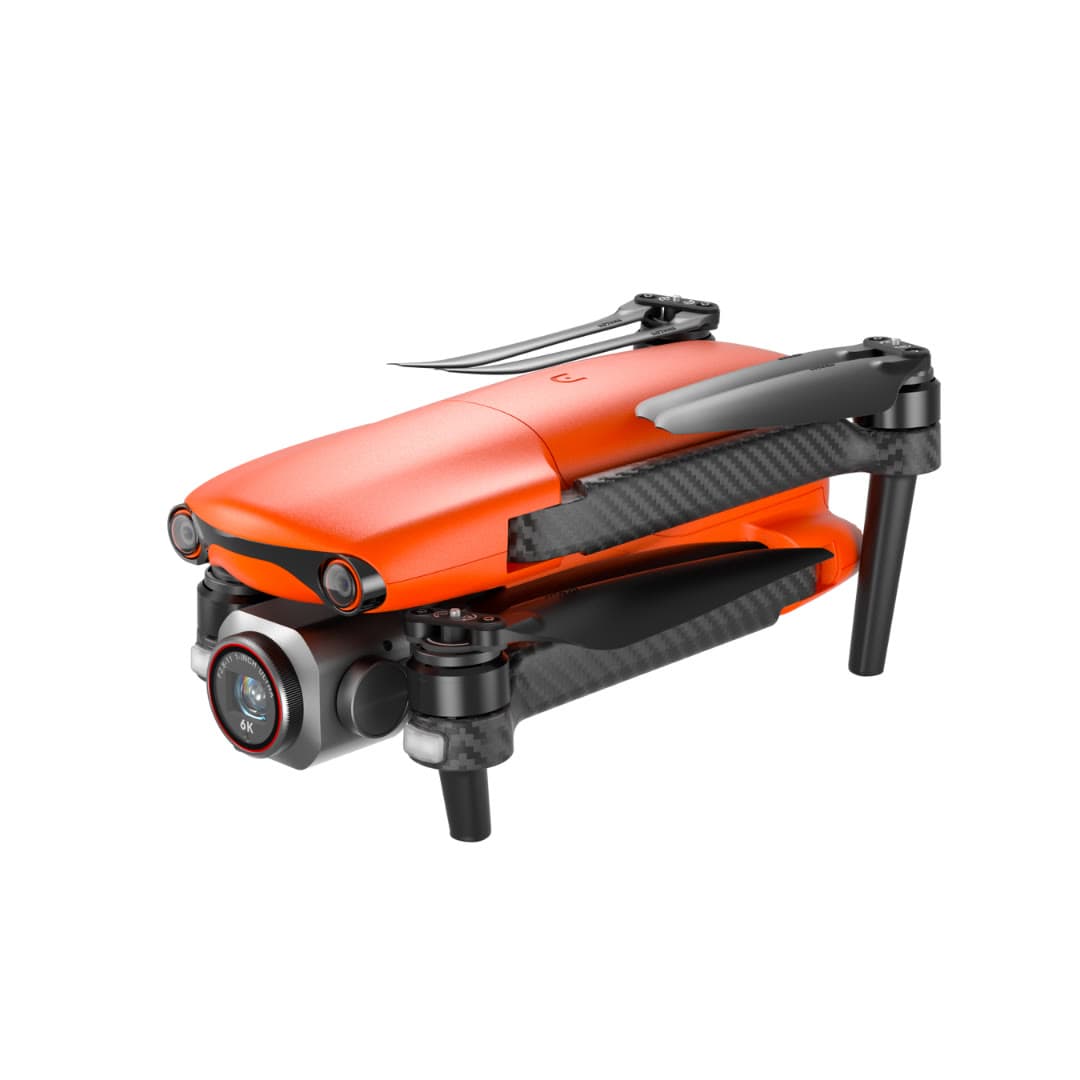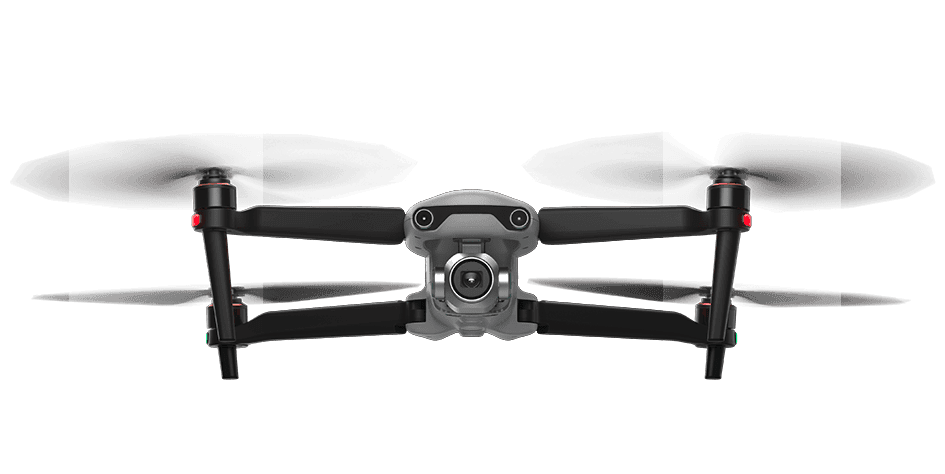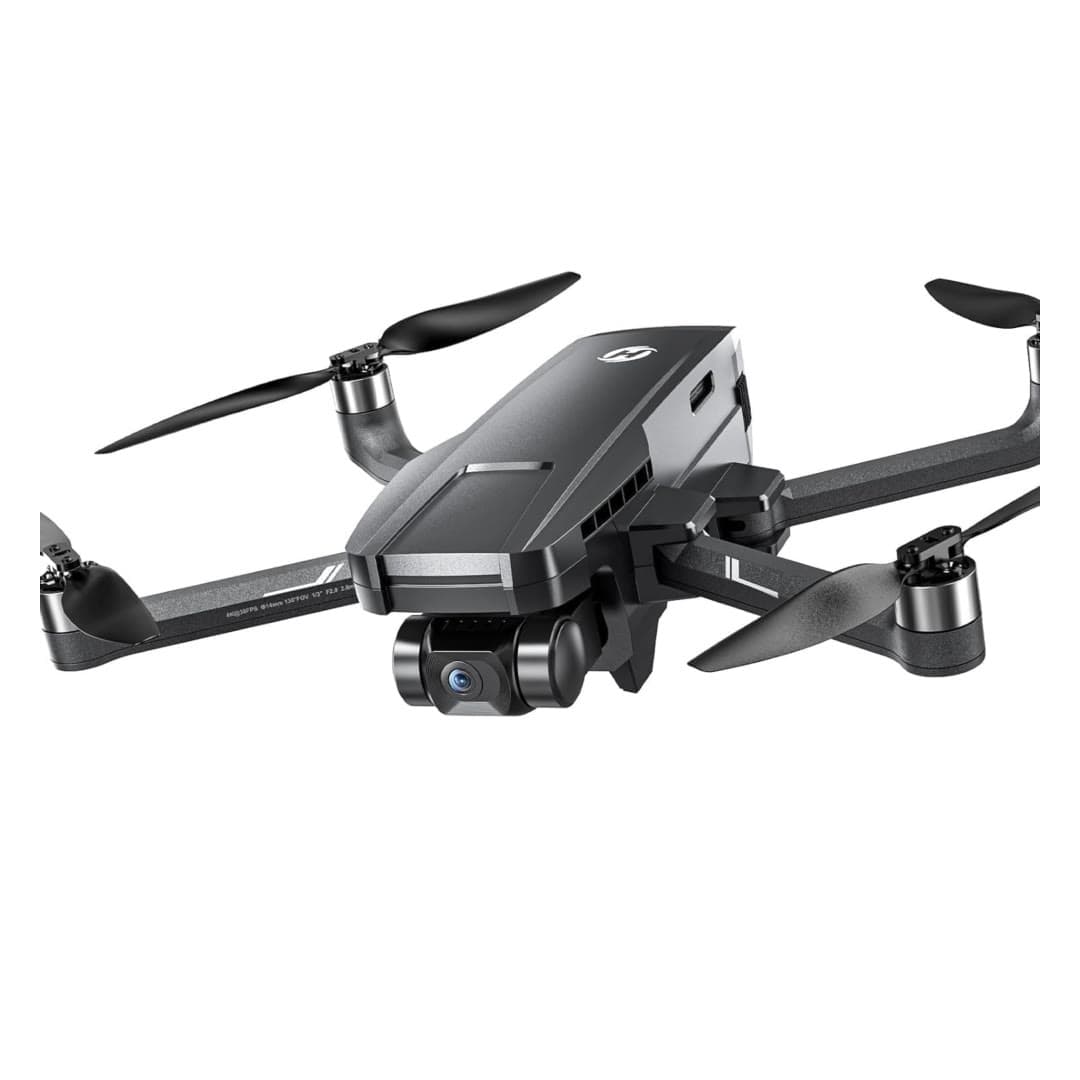
DJI Avata 2
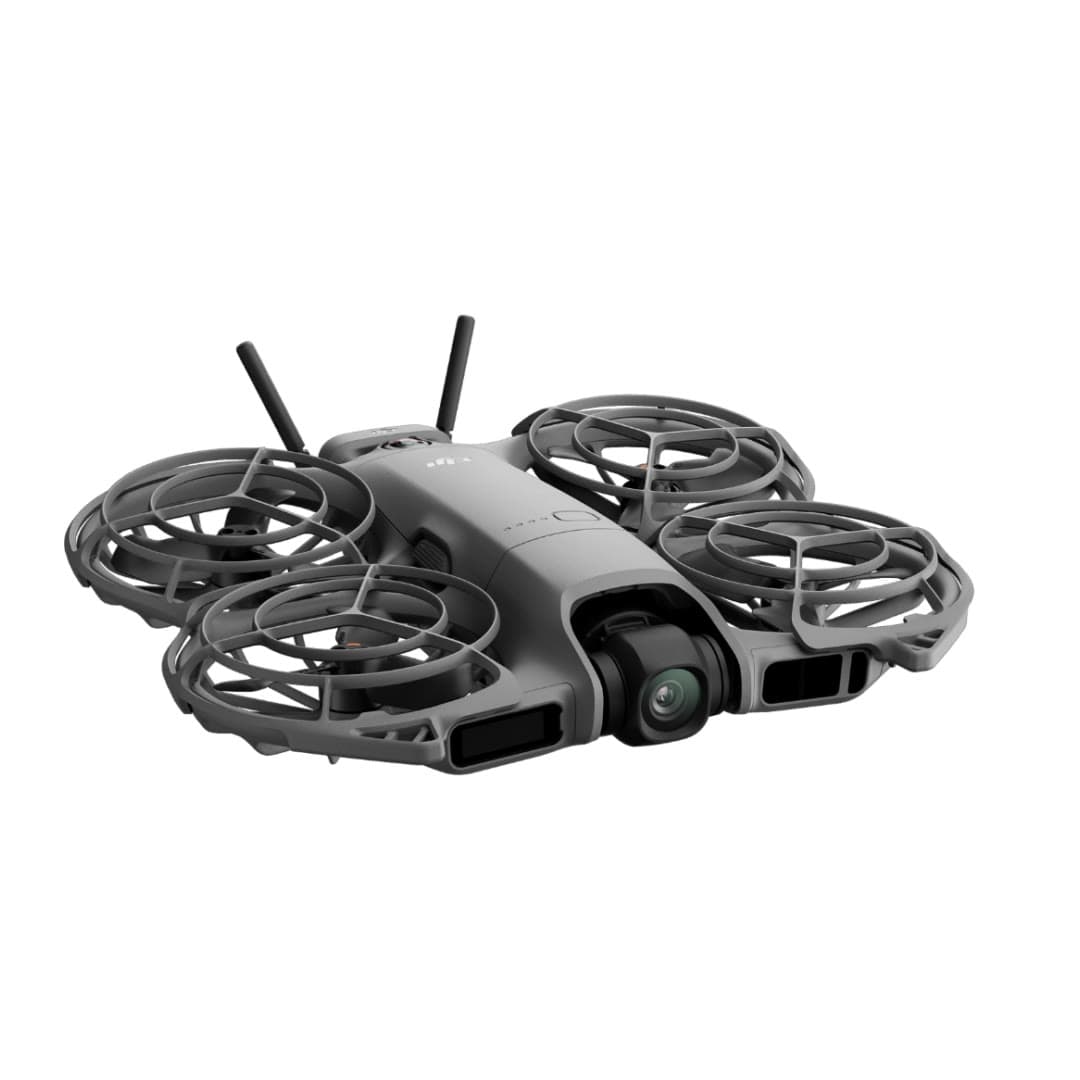
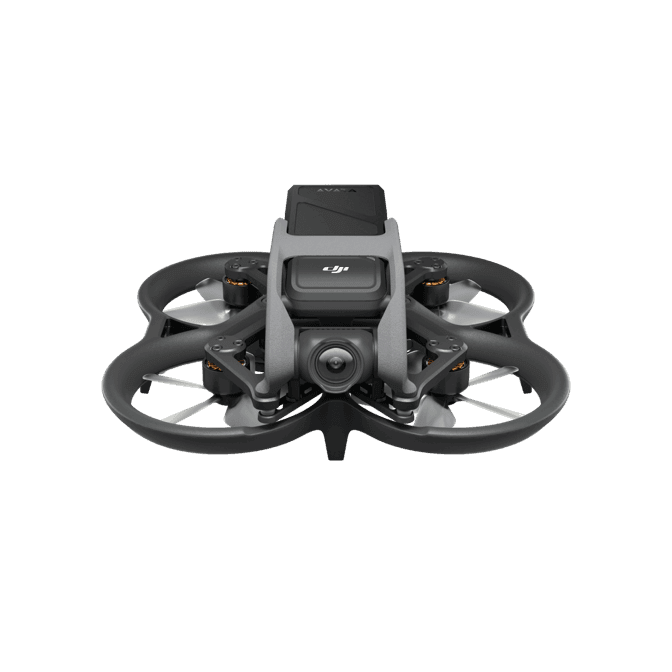
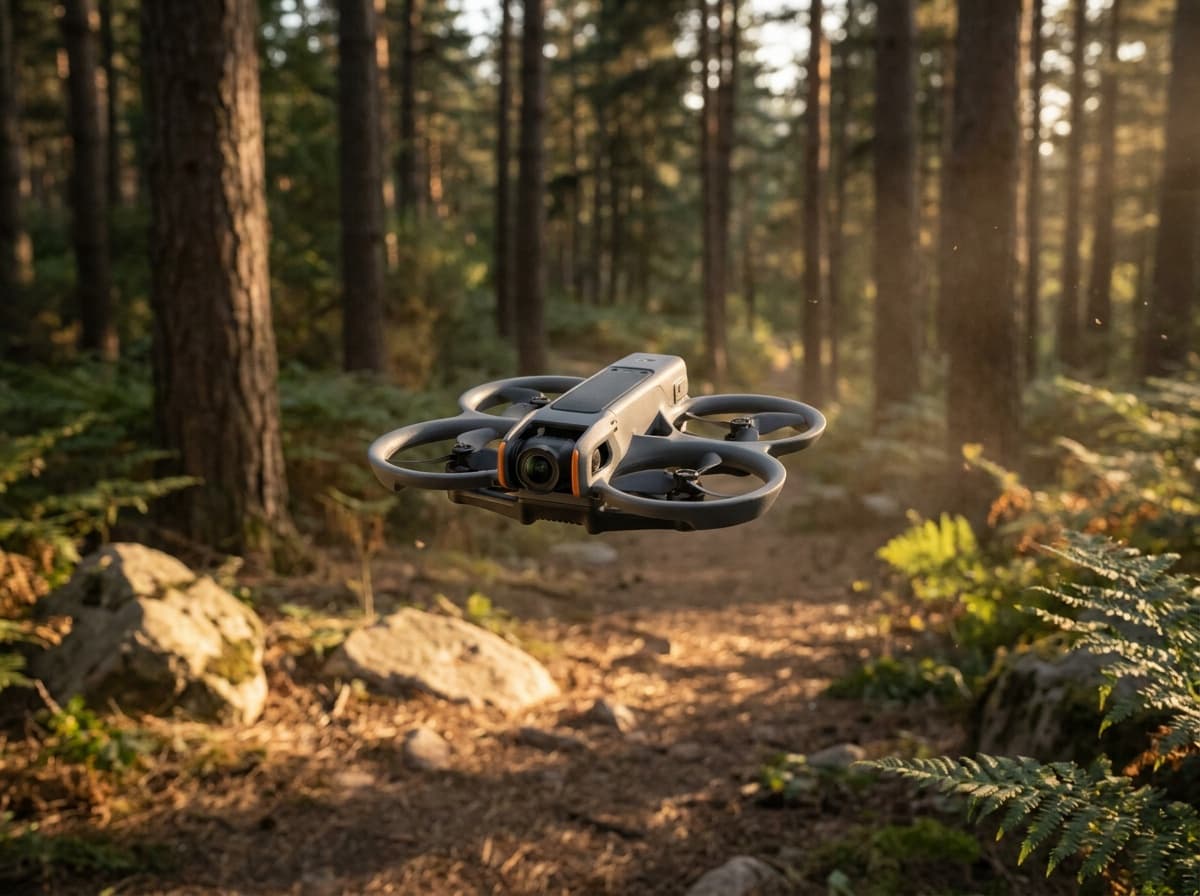
Treat the Avata 2 as a complete aircraft, goggles, controller, battery, and practice system. Manual mode is an earned configuration, not a first-flight setting.
42 deep owner guides
These are the models we have documented beyond a product card: setup sequence, legal configuration, compatible gear, upgrade limits, maintenance, failure checks, and official support in one place.

Current owner brief
Near-threshold camera flagship · 249.9 g design weight with published manufacturing tolerance
Model ownership library
42 guides matched

Treat the Avata 2 as a complete aircraft, goggles, controller, battery, and practice system. Manual mode is an earned configuration, not a first-flight setting.

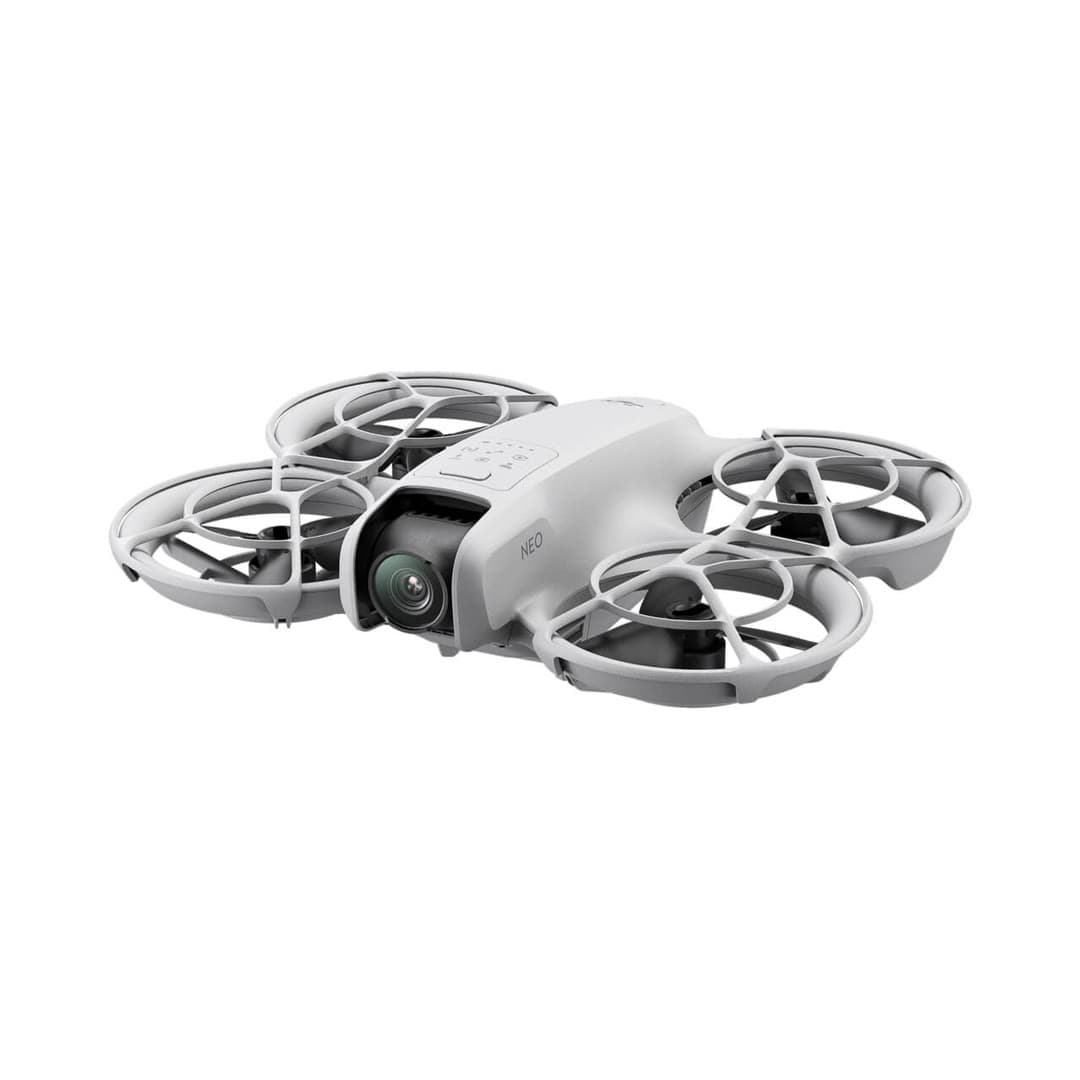
Neo is easiest when its control method matches the mission. Palm and phone control are close-range capture tools; a compatible controller changes it into a conventional aircraft.

Neo 2 can be a palm camera, phone-controlled aircraft, or a controller and goggles system. Price and setup only make sense after choosing which version you actually want to own.

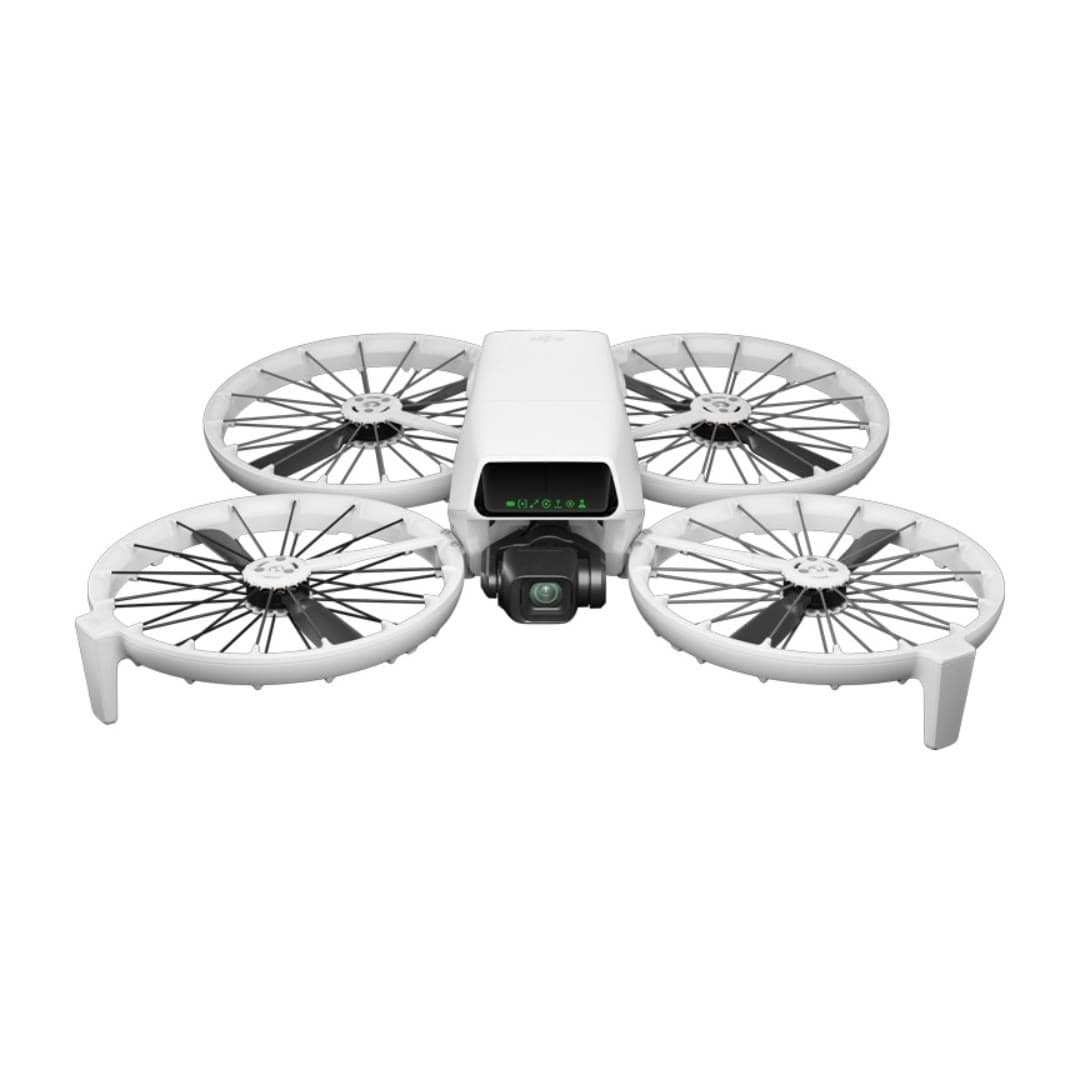
Flip combines palm modes with a conventional three-axis camera drone. The full-coverage guard improves contact protection, but intelligent tracking still needs an open route and direct supervision.

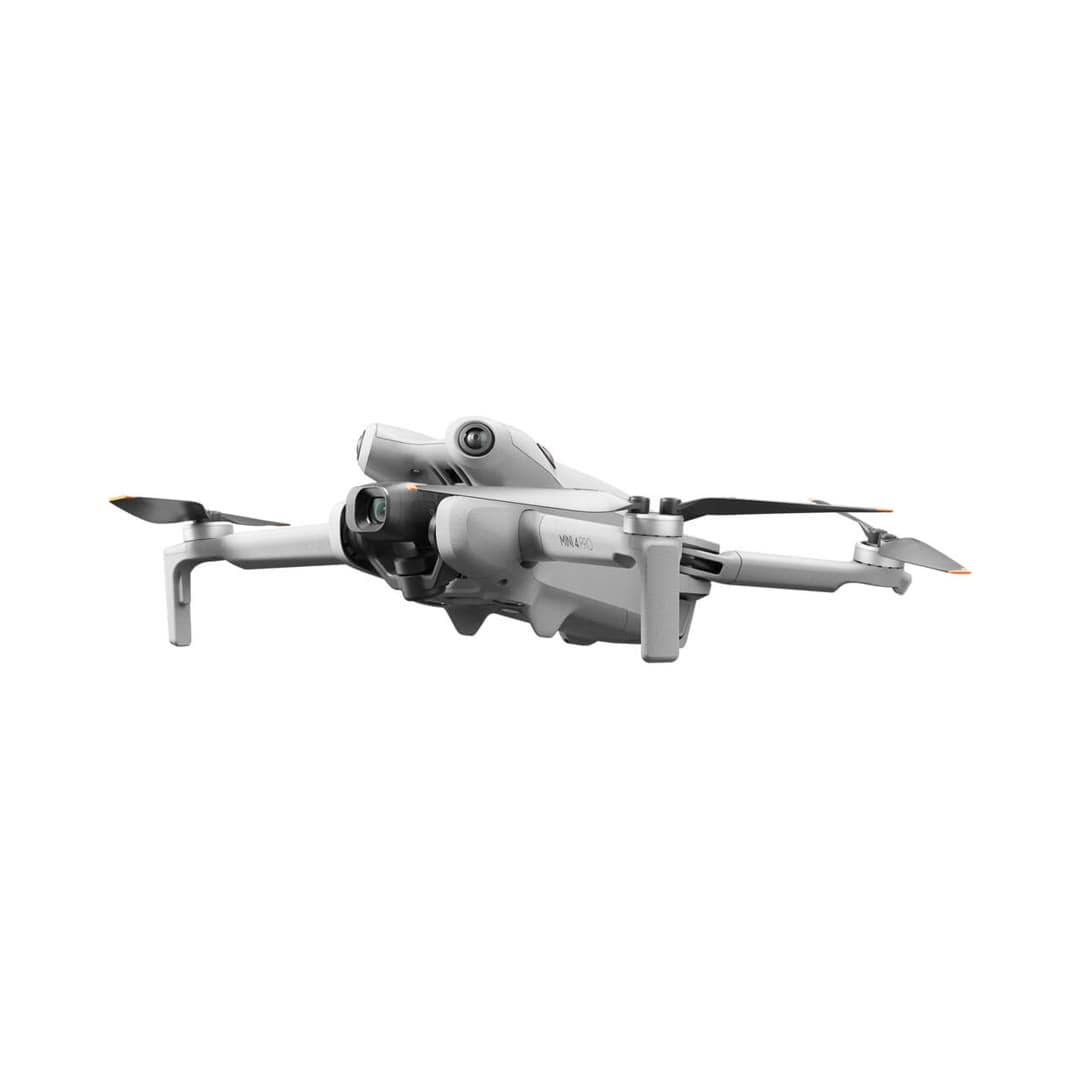
Mini 4 Pro is easy to carry and easy to overconfigure. The standard battery, Plus battery, guards, strobes, and mounts can put the same aircraft on different legal and performance paths.

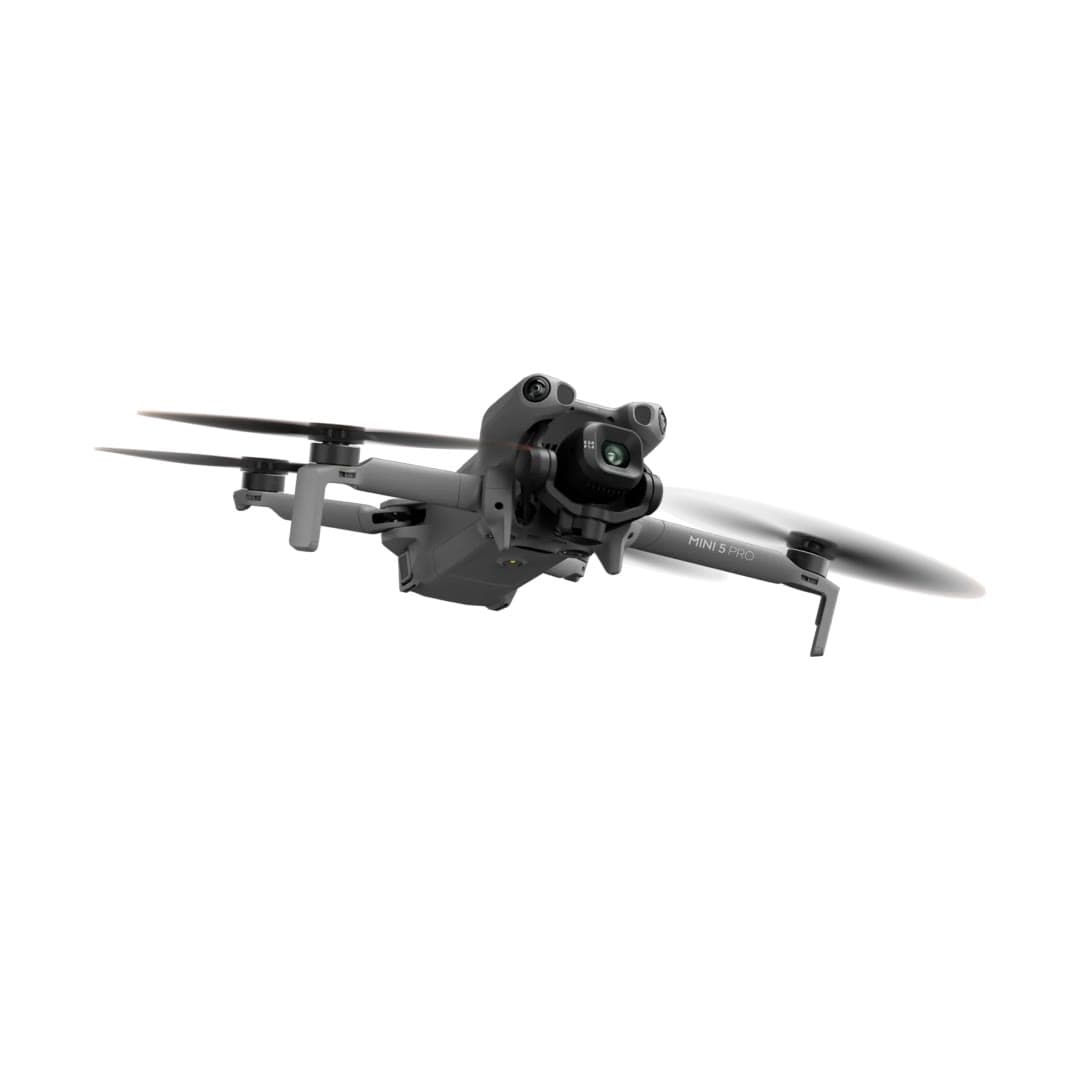
Mini 5 Pro's nominal 249.9 g design target leaves no room for lazy assumptions. Owners should weigh the delivered aircraft with the actual battery and every mounted accessory.

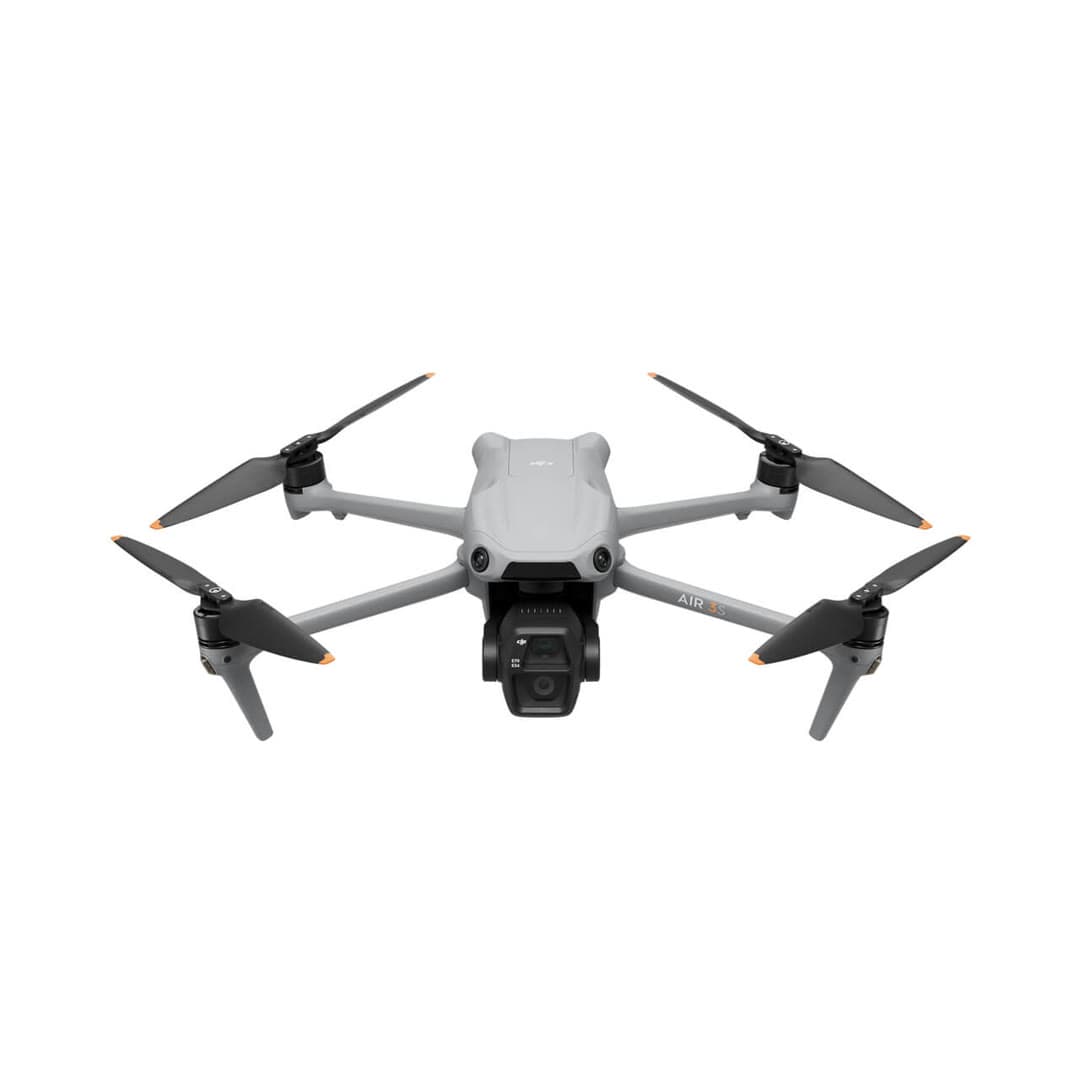
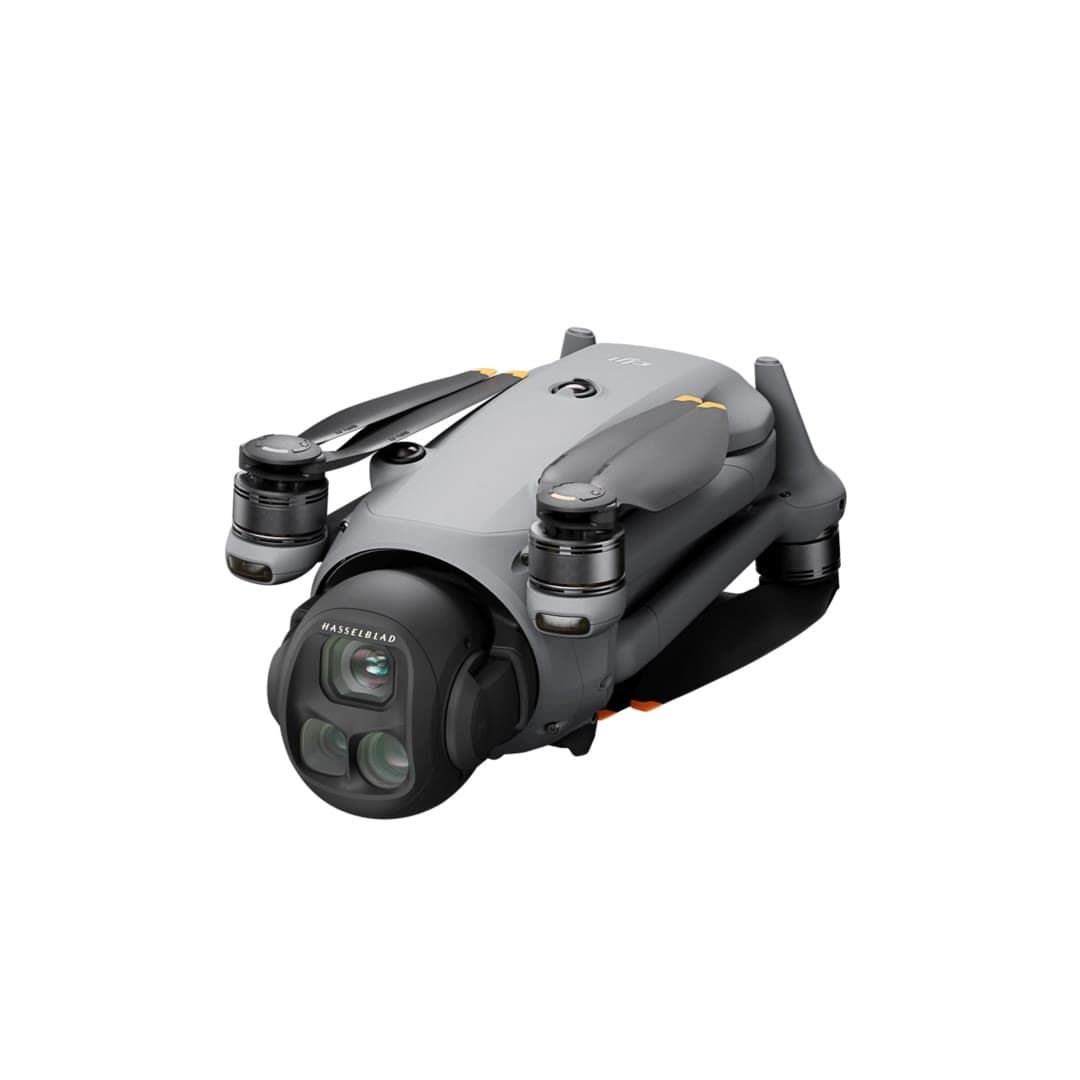
Air 3S ownership is a complete camera system: registered aircraft, dual-camera exposure strategy, RC 2 or RC-N3, a real battery rotation, and a support-aware U.S. purchase path.

Mavic 4 Pro should be owned like production equipment. Purchase region, warranty, batteries, media, filters, controller, data handling, insurance, and repair turnaround all belong in the decision.

Mini 3 Pro ownership now starts with condition and configuration. Identify the battery, controller, aircraft serial, firmware, repair history, and every mounted accessory before treating a used kit as under 250 g or Remote ID ready.

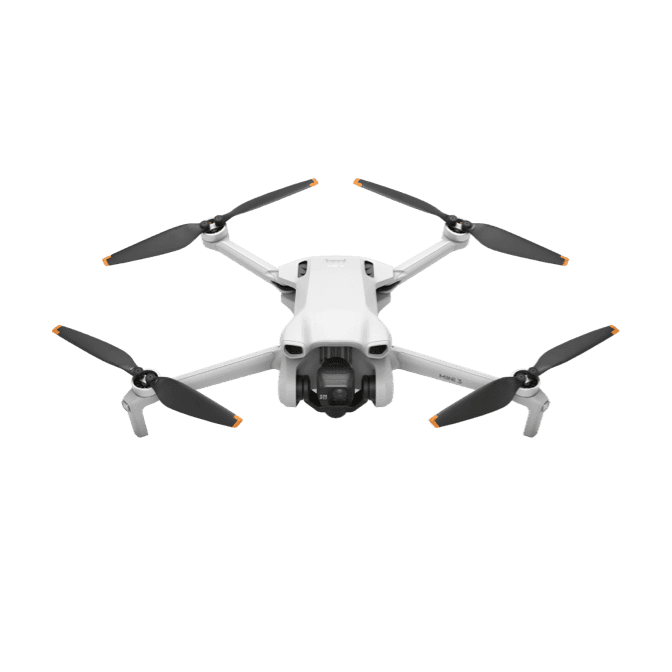
Mini 3 is the straightforward branch of the family: a strong camera and long battery options without forward, rear, or side obstacle sensing. Owners have to supply the missing awareness themselves.

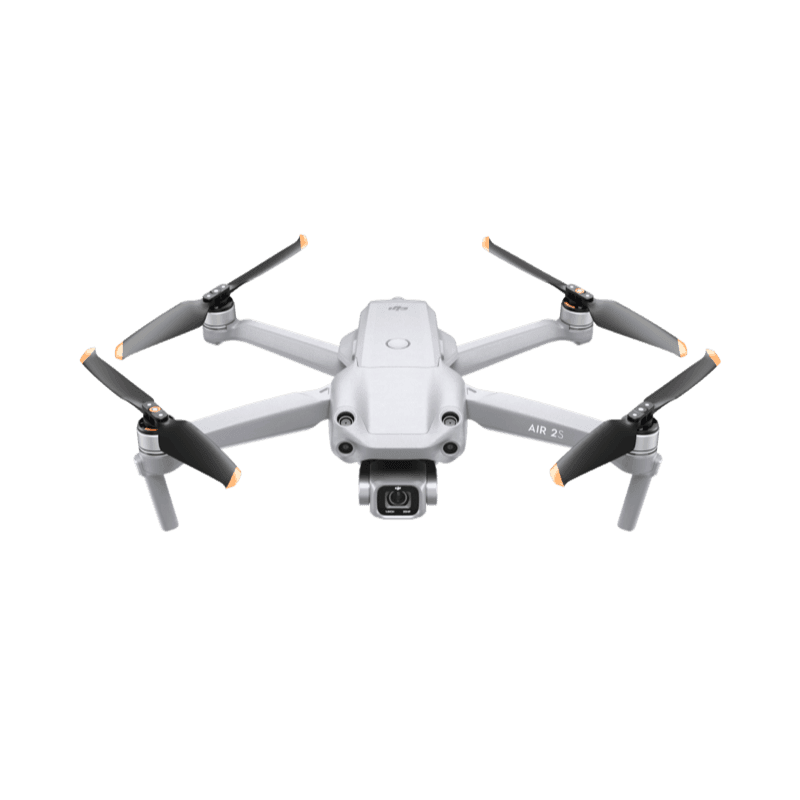
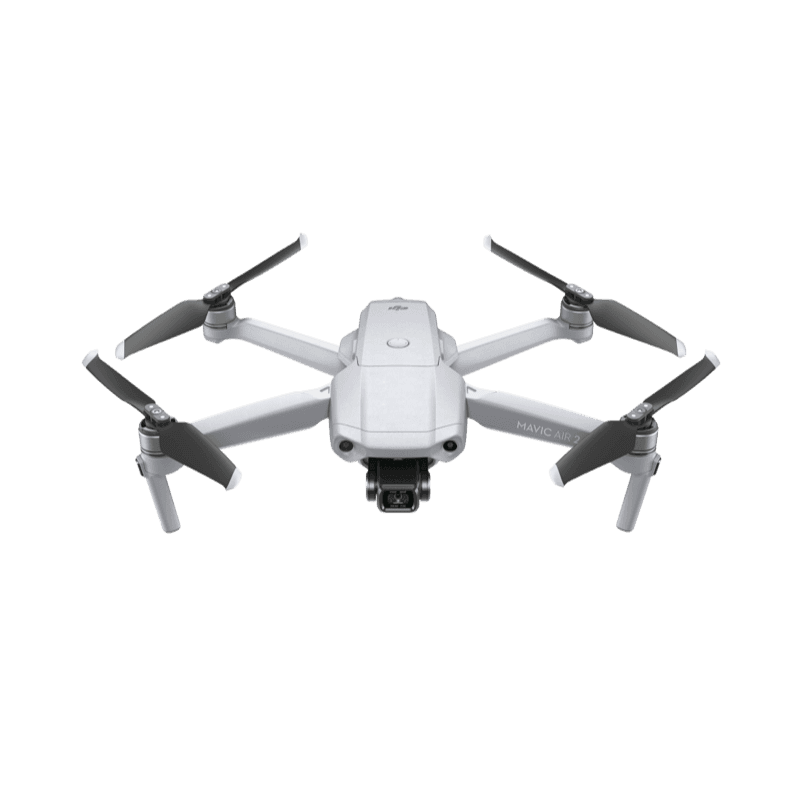
Air 2S remains a capable one-inch-sensor aircraft. The modern owner checklist is battery health, accepted Remote ID firmware, controller compatibility, Air 2S-specific camera parts, and a repair path that still makes sense.

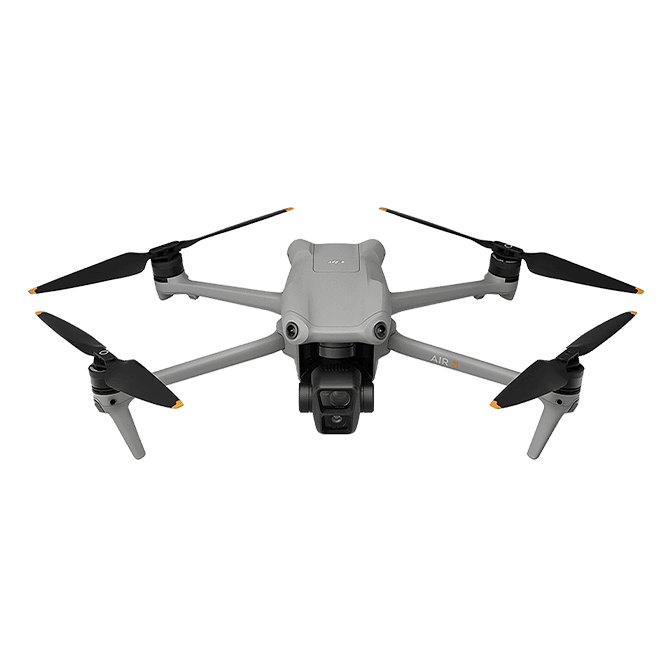
Air 3 ownership is a two-camera, O4-controller, registered-aircraft workflow. The useful discipline is keeping the wide and 70 mm cameras, batteries, filters, controllers, and Air 3 versus Air 3S fit claims distinct.

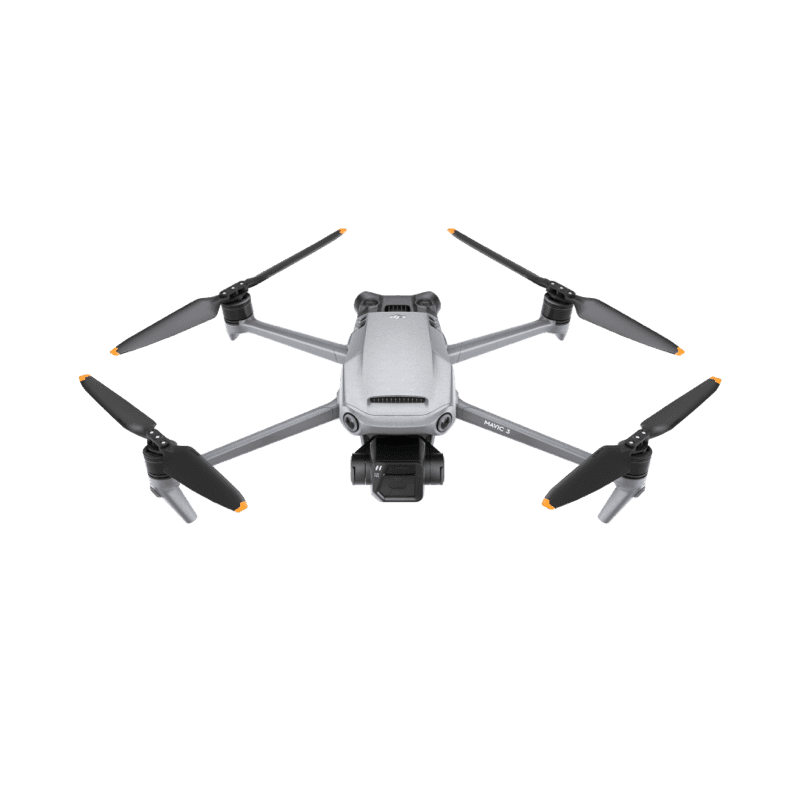
Original Mavic 3 ownership begins by identifying the exact standard or Cine aircraft. Storage, codec, controller, camera guard, filters, battery history, and resale value all change with that answer.

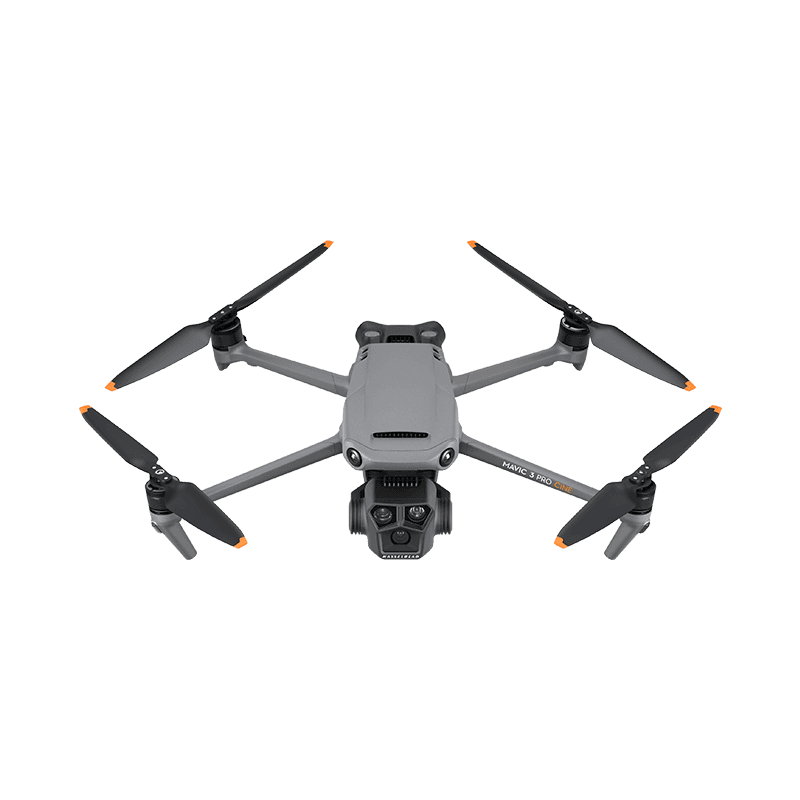
Mavic 3 Pro only earns its weight and cost when the 24, 70, and 166 mm cameras have defined jobs. Owners should build a camera-by-camera exposure, filter, storage, and delivery workflow instead of treating the three lenses as one camera.

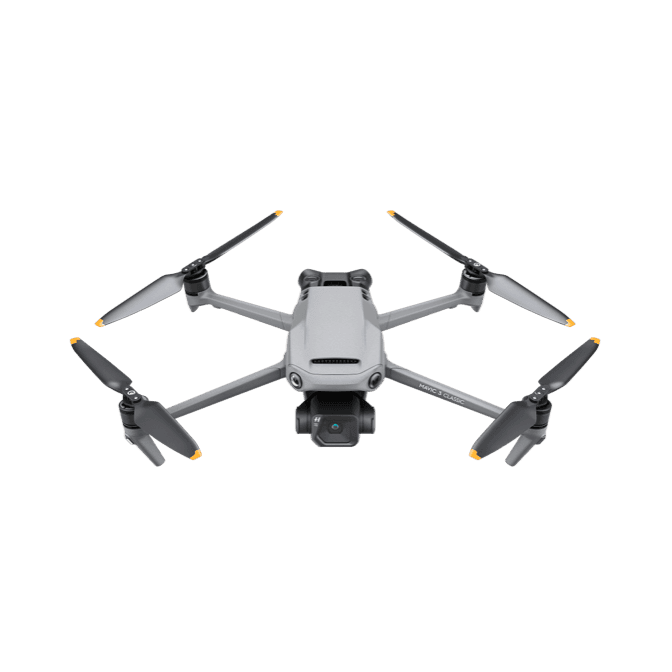
Mavic 3 Classic is the cleanest Mavic 3 ownership story: one excellent 4/3 camera on the mature airframe. The traps are assuming every Mavic 3 camera accessory fits and paying for a kit whose batteries or controller are near end of life.

Mini 2 SE is a stable beginner aircraft, not a tiny autonomous camera. Its clean ownership path is the correct RC-N1 controller, DJI Fly, healthy Mini 2-series batteries, matched props, manual obstacle awareness, and a deliberate Remote ID answer.

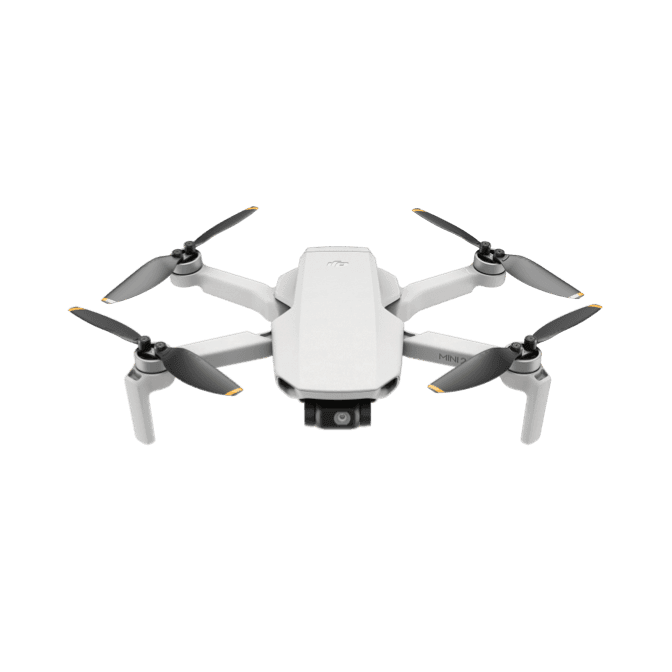
Mini 2 remains a useful light 4K trainer, but modern ownership is mostly about battery condition, phone and cable support, exact Mini-family parts, and a compliant Remote ID plan when the aircraft is registered.

Mavic Air 2 can still do useful work. The owner checklist is battery health, the exact MA2UE model identifier, current Remote ID firmware, controller and phone support, and a clean boundary between shared Air 2S power parts and camera-specific parts.

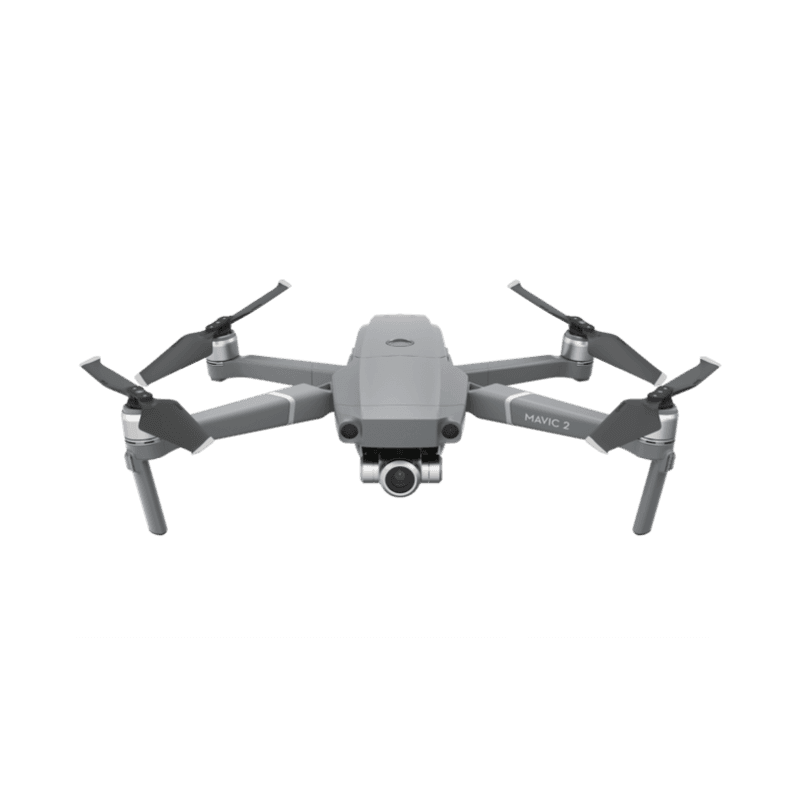
Mavic 2 Pro and Zoom still make capable images, but they are now service-risk aircraft. Identify the camera, battery condition, app and phone path, Remote ID firmware, and repair deadline before spending more on the system.

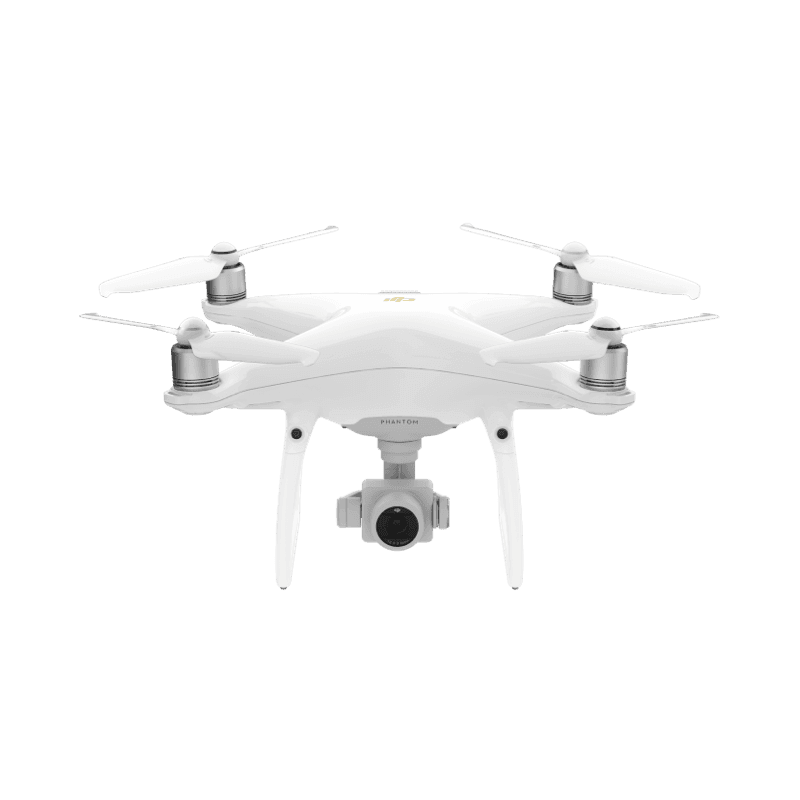
Phantom 4 Pro V2.0 remains valuable where its one-inch mechanical shutter solves a real mapping problem. The owner case depends on a complete V2.0 controller set, healthy high-capacity batteries, current Remote ID firmware, DJI GO 4 support, and repairable airframe condition.

Original Avata ownership is an aircraft, goggles, controller, battery, firmware, and practice system. Later-firmware compatibility widened the control stack, but Avata 2 batteries and body parts are still a different ecosystem.

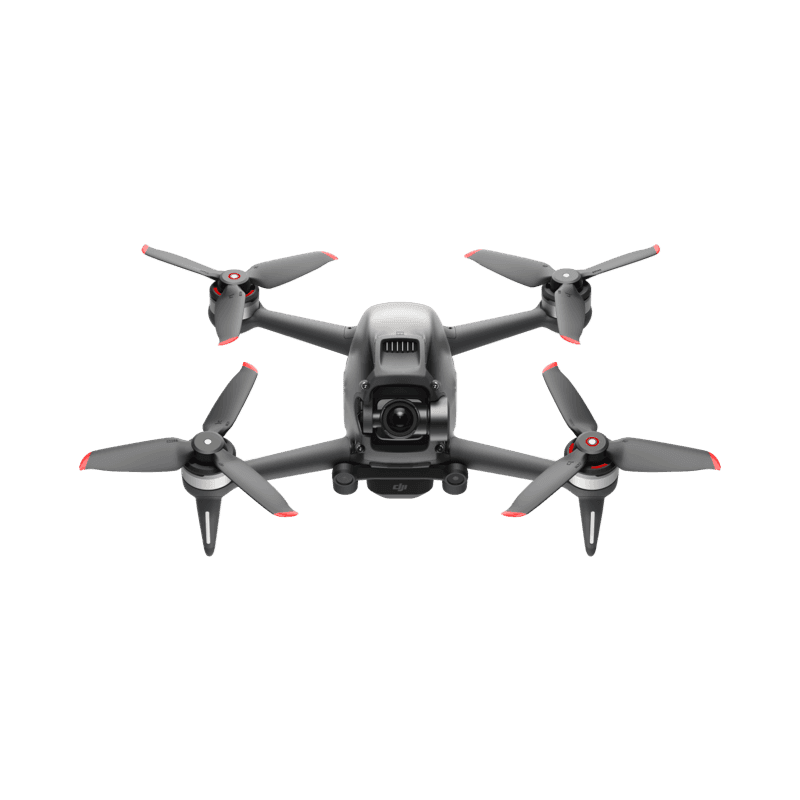
DJI FPV is a fast integrated camera aircraft, not a conventional repairable freestyle quad. Safe ownership means current Remote ID firmware, exact goggles and controller pairing, simulator-first manual training, correctly marked props, healthy 6S intelligent batteries, and realistic crash economics.

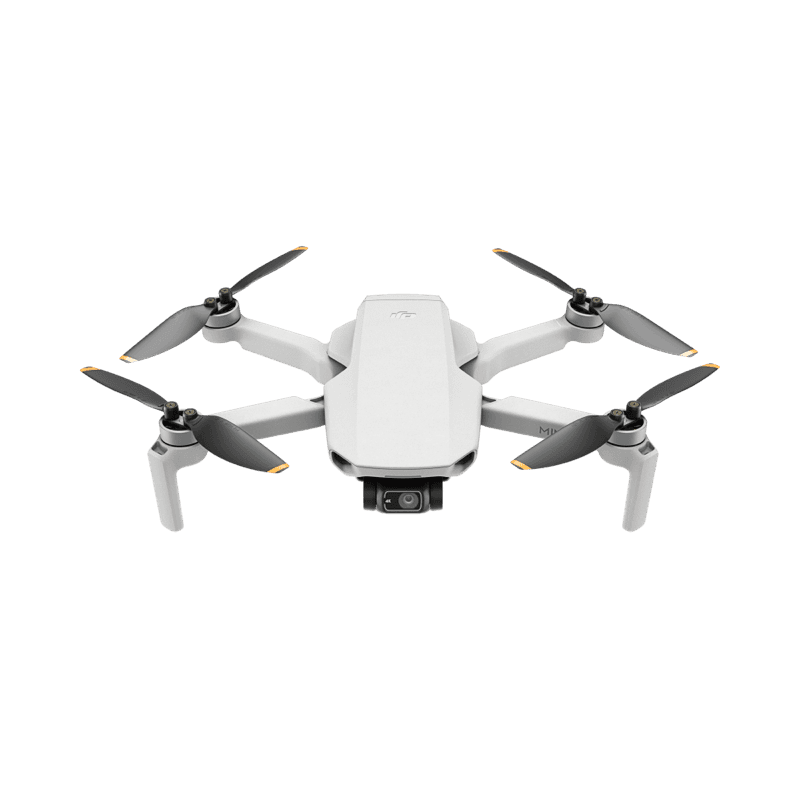
Mini 4K is a mature Mini 2-family aircraft with a useful 4K camera upgrade. The clean ownership path is RC-N1C and DJI Fly setup, exact Mini 4K-compatible power and props, manual obstacle awareness, and a verified Remote ID answer whenever the aircraft is registered.

The ATOM 2 is a conventional GPS camera drone, so ownership quality depends on disciplined setup, return-to-home settings, and keeping the Potensic Eve app and every battery aligned.
The ATOM 3 has a current official tutorial and support path, but owners should treat early firmware, controller, battery, and accessory fit as ATOM 3-specific until Potensic confirms otherwise.

The original ATOM remains a useful conventional camera drone, but owners should match every battery, hub, propeller, app, and firmware instruction to the original generation.

The ATOM SE is simplest when treated as a conventional GPS aircraft with electronic stabilization: pair it in PotensicPro, establish the home point, prove return behavior nearby, and expect less stable footage than a gimbal-equipped ATOM.

The X1 PRO is best owned as an automated camera with a carefully walked route. The key upgrade is control and recovery confidence, not stacking weight onto the airframe.
AQUA changes the recovery environment, not the rules of flight. Water launch capability still demands a walked route, battery margin, wind judgment, wildlife distance, and a dry post-flight routine.

The original X1 is a close-range automated camera. Its useful upgrade path is batteries, storage, and better route planning, not trying to turn it into a wind-capable GPS camera drone.

The A1 is an aircraft, Vision goggles, Grip controller, app, and reframing workflow. Update and test every component together, then plan for the storage and edit workload after landing.

EVO Lite+ still produces useful 1-inch-sensor footage, but ownership is now about battery, propeller, app, repair, and firmware continuity as much as image quality.

Own the EVO II Pro V3 as a matched aircraft, Smart Controller SE, Autel Explorer, battery, storage, and support system. Its one-inch camera is still strong, but a 1,191 g platform deserves formal preflight and maintenance habits.

HS720G ownership starts with registration, its exact Ophelia FLY app path, compass discipline, and a realistic understanding of a two-axis gimbal platform.

HS900 Pro ownership is strongest when the model's exact parts catalog, HS Sirius app, open-route flying, and Remote ID uncertainty are handled deliberately instead of assuming every HS-series component or marketplace claim applies.

HS600D ownership begins with registration, exact-model Remote ID verification, HS Fly or RC243A setup, a real battery reserve, and the understanding that GPS and return-to-home do not equal obstacle avoidance.

Cetus is a practice system, not a range platform. The best upgrade is more simulator time, healthy matched batteries, and a controlled progression from stabilized modes to manual flight.
Before you modify
Weight, balance, sensing, cooling, radio settings, warranty, and registration can all move with one accessory.
Open the upgrade guideConfiguration check
Run the actual battery, payload, purpose, and registration path before relying on an under-250 g label.
Check my drone