On this page
What paid drone pilots actually sell
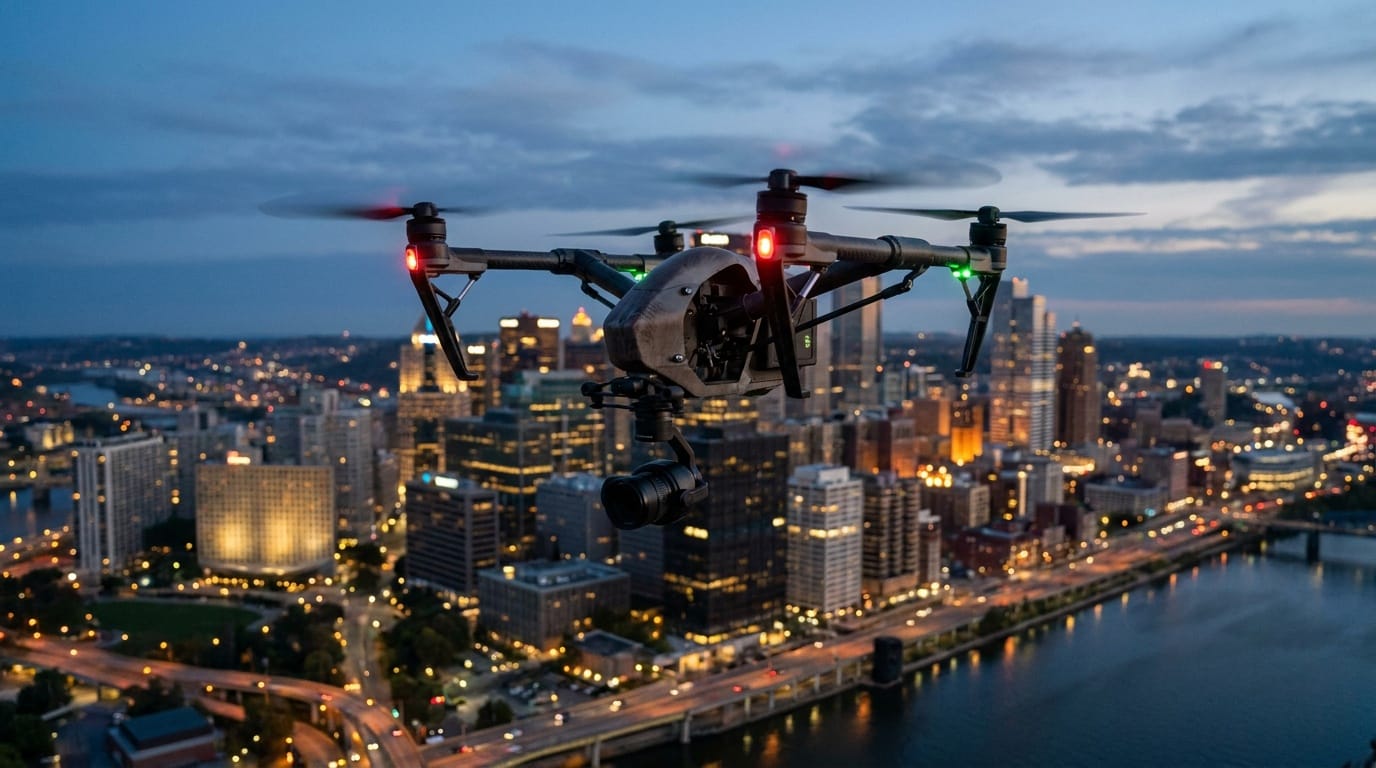
Most buyers are not paying for a flight. They are paying for usable output: listing media, claim documentation, progress records, maps, thermal findings, incident overwatch, or production footage. The aircraft is the capture tool. The deliverable is the business.
That is why the best paid path usually starts with one specific lane. A real estate media pilot needs speed, editing, and client communication. A mapping pilot needs repeatable capture, ground-control discipline, and processing software. A spray-drone operator needs an FAA and state compliance stack that looks nothing like a photo job.
Start narrower than you want to market
"I do drone work" is not a strong offer. "I shoot same-week aerial listing media for agents within 30 miles" or "I document monthly construction progress with repeatable routes" is easier to price, rank, and sell.
Choose the client problem before the aircraft
Select a mission to see the buyer, accepted output, operating stack, learning focus, equipment direction, software role, pricing variables, and the portfolio proof that makes the offer credible. Each lane connects directly to its full guide, requirements check, job math, buyer brief, and matching provider directory.
Choose the client need
Mission brief
Real estate and property media
The easiest paid lane to understand, but also the easiest to underprice. The work is usually legal, fast-turnaround aerial photos and short clips for listings or local marketing.
Typical buyer
Agents, brokers, property managers, short-term rental owners
Client receives
Aerial photos, Short video clips, Neighborhood context, Basic edited gallery
Operating stack
Part 107, Registered drone, Remote ID, Client property access
Price changes with
Travel, Editing time, Turnaround time, Airspace authorization, Weather reschedule risk
- Learn first
- Fast, consistent capture; clean editing; rights and client handoff
- Equipment
- A dependable camera drone, spare batteries, ND filters for video, and a ground-camera partner when the scope includes interiors
- Software
- Photo finishing, video editing, delivery galleries, and a written shot and rights manifest
- Portfolio proof
- A permissioned listing package with exterior stills, a 20 to 40 second edit, delivery notes, and a clear usage license
Scope boundary
Agent asks for commercial work but suggests recreational rules
Useful add-ons
Twilight schedule, Interior photography partner, Rush delivery, Vertical social cuts

Learn a mission from capture to client handoff
The mission desk gives you the route. These field manuals carry it through deliverables, capture, software, practice, portfolio proof, and professional boundaries. Agriculture scouting and spraying share one guide because the guide explicitly separates those two operating systems.
The tools are a separate decision. Use the commercial drone software field guide to compare authorization, capture, photogrammetry, GIS, agriculture, inspection, public-safety, and job-network apps by the job they actually do.
Build a paid path in the right order
Get legal for client work
If the flight is for compensation, a business, a client, a listing, an inspection, content marketing, or another non-recreational purpose, start with Part 107. Then register the aircraft and make sure Remote ID applies correctly.
Pick one mission lane
Choose the work where your gear, schedule, local market, and risk tolerance line up. Real estate is easier to enter. Mapping and inspection need more workflow discipline. Agriculture spraying is a regulated operations business.
Define the deliverable before the rate
A quote should say what the client receives, when they receive it, what a reshoot means, who controls the schedule, and what happens if weather or airspace blocks the mission.
Run the actual margin
Include drive time, prep, battery logistics, editing, upload time, platform fees, insurance, equipment reserve, taxes, and admin. The job is not worth the gross number; it is worth the net hourly number.
Requirements change by mission
Part 107 is the baseline for most paid work, but it is not the whole stack. Controlled airspace can require LAANC or DroneZone authorization. Night work, operations over people, BVLOS, multi-aircraft operations, public agency flights, heavy UAS, and spraying can add extra approval paths.
Before you sell specialized work, run the mission through the commercial requirements checker. If the job needs approval work, build that time into the price.
Red flags before accepting a drone job
- The client says it is "just quick footage" but wants a commercial deliverable.
- The platform controls acceptance but does not define what counts as acceptable.
- The job requires roof, ladder, electrical, chemical, or inspection labor you are not trained to perform.
- The route crosses people, roads, controlled airspace, private property, or critical infrastructure without a plan.
- The client asks for survey-grade, legal, or engineering output without the licensed professional who owns that work.
Low-paid jobs often hide in admin time
A short flight can still require scheduling, airspace checks, travel, insurance certificates, app uploads, editing, client notes, and rework. Price the entire mission, not the time the drone is in the air.
Next steps
Open the guide or tool that matches the next decision.
- Start with the drone business pathMove from legal authority to one offer, proof, pricing, insurance readiness, and a repeat-client plan.
- How to price drone servicesTurn a defined deliverable into a quote that includes every hour, direct cost, risk, and term.
- How to get drone clientsTurn one mission lane into buyer-specific proof, prospects, a first ask, and a repeat-work path.
- See the buyer-facing provider directorySearch the national service map and understand how source leads become claimed company profiles.
- Drone job profit calculatorEstimate net hourly pay after fees, travel, insurance, and taxes.
- Commercial drone software stackChoose planning, capture, processing, GIS, inspection, and delivery tools.
- Commercial equipment by missionBuild the minimum field system, then add specialized capability only when paid demand requires it.
- Best drone job appsCompare marketplaces, managed networks, and data-capture apps.
- Drone insurance for commercial pilotsWhat clients ask for and how coverage changes by job.
- Commercial requirements checkerBuild the FAA-style requirement stack before selling the mission.