Drone work · Start here
Turn a drone skill into a service someone can buy
Choose one buyer, define the output, prove you can deliver it, and price every hour and cost around the flight. This is the business path from Part 107 to repeat work.
The operating sequence
Do these seven things in order
New pilots often jump from passing Part 107 to buying gear or joining five marketplaces. The missing step is the offer: a buyer, a finished output, an acceptance standard, and math that still works after the flight.
Reviewed August 27, 2026
- 01Legal floorMake the intended operation legalPart 107 is the usual starting point for paid work. Registration, Remote ID, airspace, site access, people, night, waiver, Part 137, or other requirements can still change the mission.
- 02One buyerChoose a problem someone already pays to solveStart with a named buyer and accepted deliverable. A general promise to do drone work is harder to explain, price, prove, and find in search.
- 03ProofBuild one permissioned sample to the real standardPractice the capture, processing, quality check, and handoff together. A polished reel does not prove that a mapping file, roof evidence set, or progress report is complete.
- 04QuotePrice the whole job, not the minutes in the airTravel, planning, authorization, insurance, processing, editing, delivery, revisions, equipment reserve, and reshoot risk all belong in the math.
- 05Buyer readyBe easy to hireKeep a scope template, W-9, certificate of insurance path, sample deliverable, service area, availability, and clear communication ready before outreach starts.
- 06Find clientsApproach buyers with a real reason to careLook for a current project trigger, show one complete sample, and make the first message about the buyer's deliverable rather than your aircraft or certificate.
- 07RepeatTurn a good visit into a useful cadenceRecurring work is earned through repeatability. Match the route and output, report on time, retain the job record, and suggest the next visit only when it helps the client.
Four ways the work is sold
The revenue model changes with the deliverable
Match the pricing model to the work. A finished media package, repeat visit, processed dataset, and specialist operation each carry different costs, risks, and buying habits.
 Worked planning example
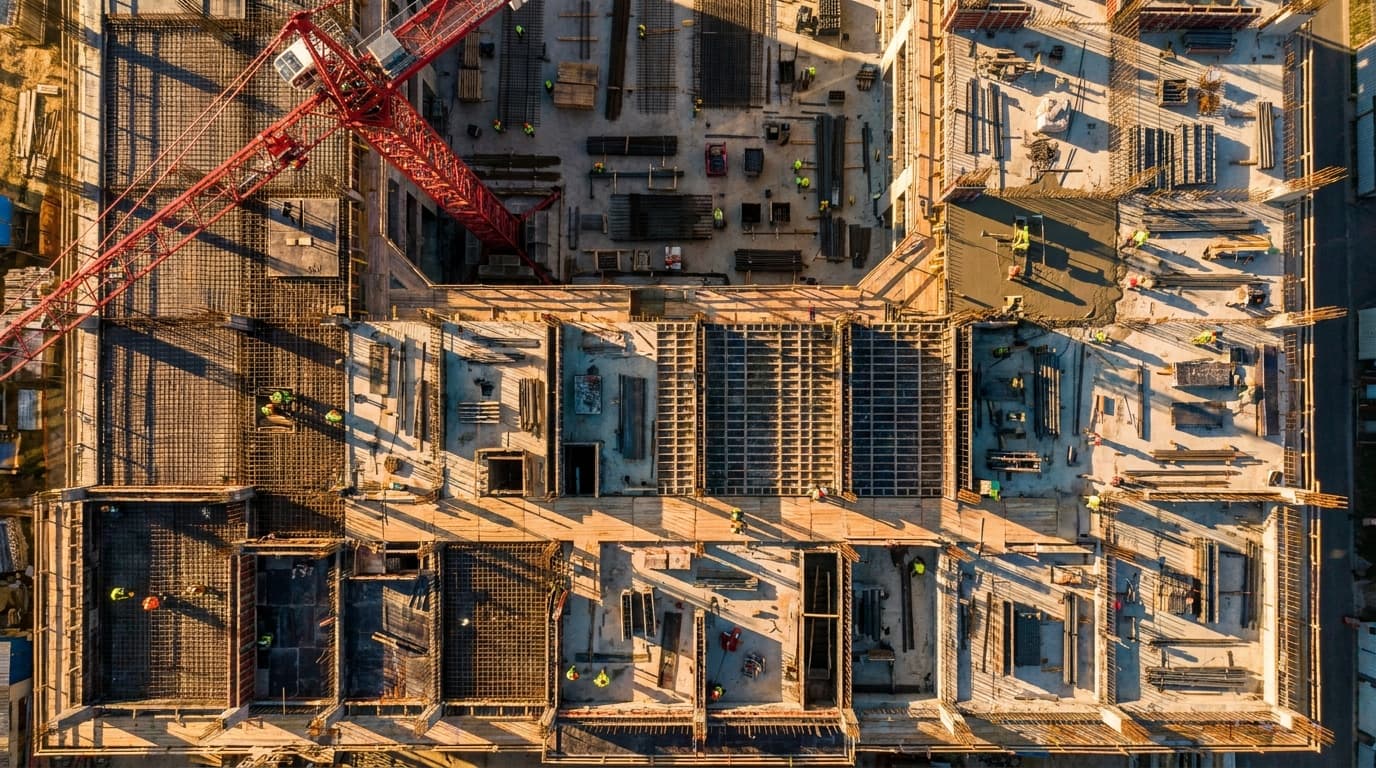
Construction progress visit
A $650 visit leaves $520 before tax and overhead
A repeat route, 20 matched progress images, an annotated one-page report, and organized source files.
- Client price
- $650
- Listed direct costs
- $130
- Contribution before tax and general overhead
- $520
- Effective contribution across 6.5 hours
- $80/hr
This is an illustrative bid, not a market average or recommended rate. Replace every number with the local scope, your actual costs, and the client's acceptance standard.
Build a complete quoteChoose a market
Choose from 11 mission lanes
Open the mission that matches the buyer you can reach. Each field manual covers deliverables, capture, software, equipment, portfolio proof, and the line between useful support and work reserved for another professional.
Work affected now
Rules and markets move after you buy the aircraft
Current policy can change hardware availability, approval paths, and what a client can procure. These are the latest commercial and market reports in the Drone Authority newsroom.
Open all drone newsDrone business questions
- Can you make money with a drone and a Part 107 certificate?
- Yes, but the certificate is only the legal floor. Clients pay for a useful deliverable such as listing media, progress documentation, inspection imagery, a map, or a specialist operation. A viable offer also needs proof, pricing, insurance readiness, and a way to reach buyers.
- What is the easiest drone service to start?
- Simple real estate and local business media usually have the lowest technical barrier, but they can also be crowded and easy to underprice. The best first service is one you can deliver consistently for a specific local buyer without buying specialized equipment first.
- Should a new drone pilot use job apps or find clients directly?
- Both can help. Pilot networks can provide structured assignments and reveal real acceptance standards, while direct clients give you more control over the relationship and price. Read every platform's fees, payment terms, scope, and acceptance rules before accepting work.
- Do commercial drone pilots need insurance?
- The FAA does not impose a general federal insurance requirement for Part 107 work, but clients, venues, contracts, property owners, and pilot networks often require liability coverage and a certificate of insurance. Hull and payload coverage protect different risks.