Gear · Head-to-head decision desk
Drone comparisons for the decisions that cost real money
Start with the exact models on your shortlist. Every matchup leads with a buyer-specific answer, then shows the specifications, ownership tradeoffs, and evidence behind it.
 17 MATCHUPS · 19 PRODUCTS
Start with the current compact decision
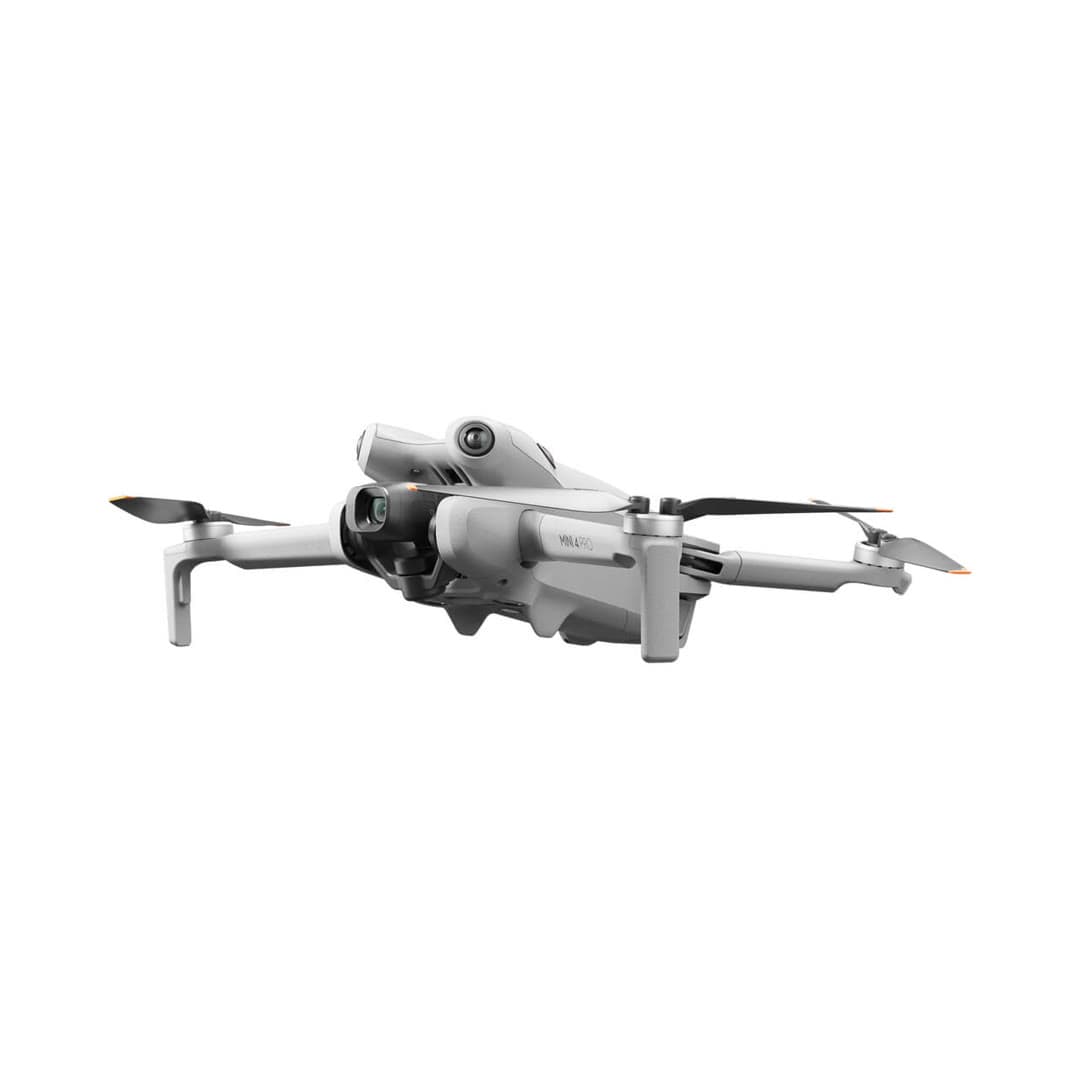
Mini 5 Pro vs Mini 4 Pro
For a U.S. buyer, the DJI Mini 4 Pro remains the safer ownership decision because it has a normal domestic sales and support path, a clearly sub-249-gram standard configuration, and already excellent imaging. Choose the Mini 5 Pro only when its 1-inch camera, 4K/120, 225-degree gimbal roll, low-light sensing upgrades, and longer battery options are worth third-party import scrutiny and weighing the exact ready-to-fly aircraft before relying on the recreational registration exception.
See the full verdict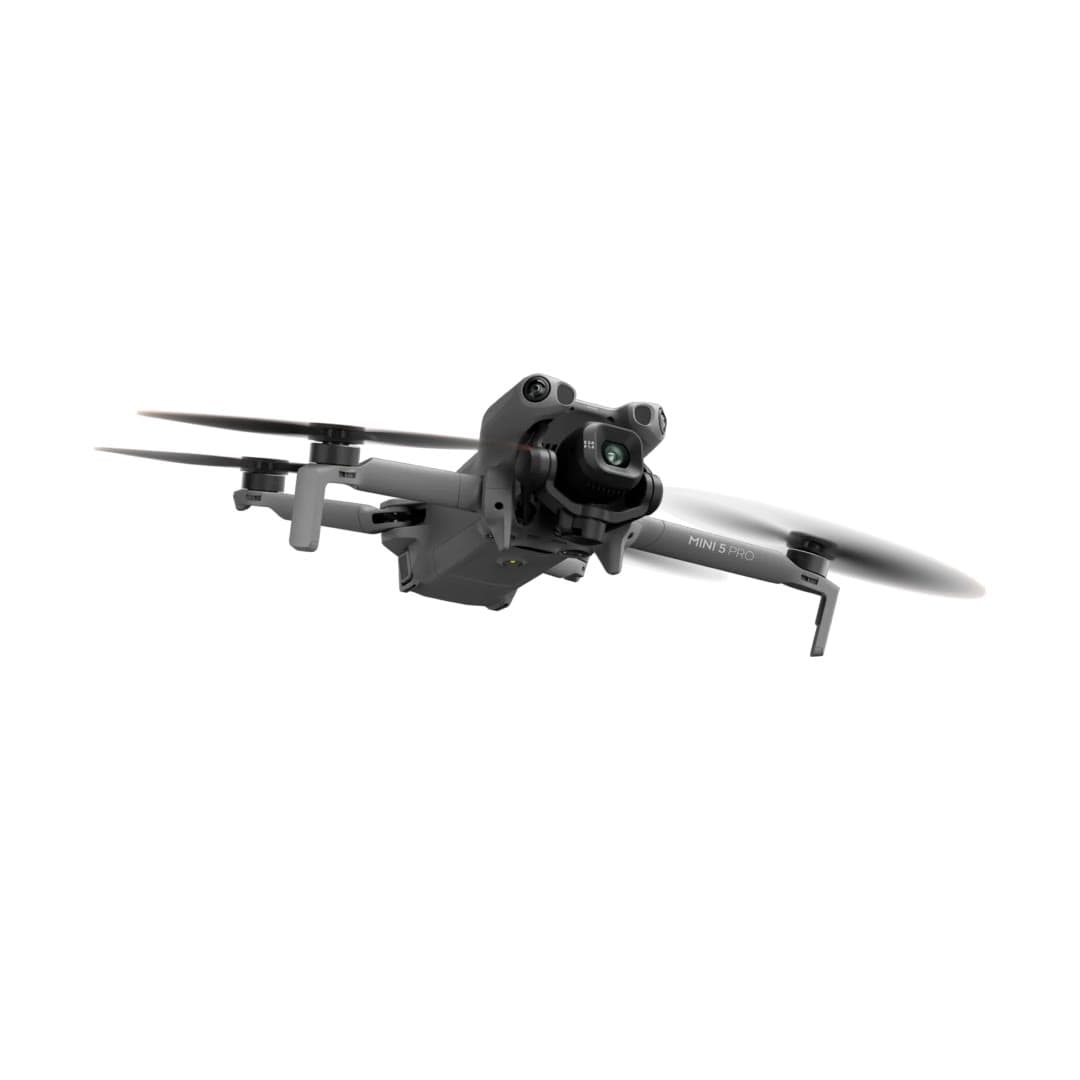
Choose the decision, not the brand
All head-to-head comparisons
Compact camera decisions
Travel, beginner, and sub-250 g matchups
Start here when pack size, automated capture, registration context, and price matter as much as absolute camera capability.
DJI Neo 2 vs DJI Flip
Neo 2 is the better pocket follow camera: it is lighter, faster to deploy, easier to position with gestures, and equipped with broader obstacle sensing. Flip is the better camera drone: it records RAW photos and 10-bit D-Log M video through a three-axis gimbal, flies longer, and accepts microSD storage. Choose the Neo 2 when filming yourself is the main job; choose Flip when the files matter more than the setup time.
DJI Neo 2 vs DJI Mini 5 Pro
These are not cheaper and more expensive versions of the same drone. Neo 2 is a palm-launched follow camera made to film its owner with very little setup. Mini 5 Pro is a conventional camera drone built for deliberate framing, RAW photos, 10-bit video, longer flights, and stronger files. Buy for the footage you need to bring home, not for the newer badge.
DJI Mini 5 Pro vs DJI Mini 4 Pro
The Mini 5 Pro is the camera-first upgrade: a 1-inch sensor, 4K/120, wider gimbal movement, and forward LiDAR. The Mini 4 Pro remains the more established compact system and the easier value decision in the U.S. Published flight and transmission figures are controlled-condition maximums, and the Mini 5 Pro's approximately 249.9 g weight can vary enough that owners should weigh the actual takeoff configuration.
DJI Neo 2 vs DJI Neo
Neo 2 is a substantial capability upgrade, not a cosmetic refresh. It adds a two-axis gimbal, 4K/60, faster ActiveTrack, omnidirectional sensing with forward LiDAR, gesture control, and much more storage. The original Neo stays compelling when low cost and normal U.S. availability matter more than advanced tracking or obstacle sensing.
DJI Neo vs Potensic Atom
These two sit at the bottom of the price ladder but aim at different jobs. The Neo is a hands-free selfie flyer in the DJI ecosystem; the Atom is a more traditional camera drone with a real mechanical gimbal and no DJI supply worries. Here is the breakdown.
DJI Neo vs DJI Flip
The Neo is the cheaper, lighter route to automatic clips of yourself. The Flip costs roughly twice as much because it is also a conventional camera drone: it adds a larger sensor, a three-axis gimbal, RAW photos, longer flights, and more wind margin. The right answer depends on whether you want a flying selfie camera or a compact aircraft for deliberate aerial photography.
DJI Flip vs DJI Mini 4 Pro
These two share a 1/1.3-inch sensor and can stay under 249 g in standard configurations, but they are not interchangeable cameras. The Flip prioritizes guarded palm-launch automation and price. The Mini 4 Pro adds omnidirectional sensing, native vertical capture, longer endurance, and the more flexible manual-flight workflow.
Potensic ATOM 3 vs Potensic ATOM 2
ATOM 3 is the hardware step-up, with a larger 1/1.3-inch sensor, 4K/60 HDR, P-Log, PixSync 5.0, and longer published flight options. ATOM 2 is the more established and less expensive choice. Potensic's own U.S. storefront currently shows ATOM 3 availability as variable, so buyers should verify the live seller, controller, battery, and bundle before ordering.
HOVERAir X1 Pro vs DJI Neo 2
These are autonomous follow cameras with different centers of gravity. X1 Pro is built around hands-free action-sports capture and is sold directly in the U.S.; Neo 2 is the more flexible small drone, with omnidirectional sensing, conventional DJI controller and goggles paths, and a lower catalog price, but no normal official U.S. launch.
DJI Mini 4 Pro vs Autel Robotics EVO Lite+
This is really a question about ecosystems and risk. The Mini 4 Pro is the polished, sub-250g DJI choice; the EVO Lite+ offers a bigger 1-inch sensor with adjustable aperture from a non-DJI maker, but Autel has begun retiring its consumer lines. Both tradeoffs are worth weighing carefully.
Camera and production
When image capability changes the job
These decisions trade aircraft size and cost for larger sensors, additional focal lengths, wind margin, and production flexibility.
DJI Mini 4 Pro vs DJI Air 3S
Both are excellent DJI drones, but they answer different questions. The Mini 4 Pro stays under the 249 g recreational registration line; the Air 3S adds a second telephoto camera and longer flights and requires registration. Part 107 use requires registration for either aircraft. Here is how they stack up and who each one is for.
DJI Air 3S vs DJI Mavic 4 Pro
Both are superb, and for most people the question is simply how much camera you actually need. The Air 3S covers the great majority of real shots for roughly half the money; the Mavic 4 Pro is the no-compromise flagship with a 100MP Hasselblad main sensor and a 360-degree gimbal.
FPV systems
Aircraft and goggles that lock you into an ecosystem
Compatibility matters more than a headline specification. Compare the complete aircraft, goggles, controller, battery, and repair path.
DJI Avata 2 vs DJI Avata
Avata 2 improves nearly every core system: it is lighter, flies longer, records from a larger sensor, adds 10-bit D-Log M, moves to O4 transmission, and stores more footage internally. The original Avata remains a viable used-value route, but its goggles, controller, batteries, props, and body accessories belong to a different compatibility stack.
DJI Goggles 3 vs DJI Goggles N3
Goggles 3 buys the premium viewing and awareness experience: dual Micro-OLED panels, 100 Hz refresh, diopter and IPD adjustment, lower published Avata 2 latency, and Real View pass-through. Goggles N3 keeps the O4 link and fits over glasses at a much lower price. Compatibility is aircraft- and controller-specific, so the full stack matters more than the goggles name alone.
More decisions
Additional matchups
The rest of the current comparison library.
DJI Mini 3 Pro vs DJI Mini 4 Pro
The Mini 3 Pro remains a capable lightweight camera drone, especially as a clean used kit. The Mini 4 Pro is the safer new-system choice: it fills the side and upward sensing gaps, moves to O4 transmission, adds faster slow motion and newer color workflows, and includes a small amount of internal storage. The right answer depends on the complete used-kit price, not the airframe name alone.
DJI Air 3 vs DJI Air 3S
Air 3 and Air 3S share the same basic dual-camera idea, O4 ecosystem, registration requirement, and much of the battery and accessory system. Air 3S improves the wide camera, low-light obstacle sensing, storage, and file-transfer workflow. Air 3 remains the value pick when a clean complete kit is substantially cheaper and most flying happens in good light.
HOVERAir AQUA vs HOVERAir X1 Pro
AQUA and X1 Pro share a hands-free follow-camera idea, but they are built for different environments. AQUA is the water specialist with an IP67 floating body, Lighthouse tracking, and water takeoff and landing. X1 Pro is the easier land, snow, bike, and travel choice, with normal direct U.S. sales and a lighter ownership burden.
Your shortlist is not here yet?
Search the complete aircraft registry first, then use the drone finder to narrow by mission and budget.