Drone Authority · Comparison
DJI Neo vs DJI Flip
Honest synthesis from researching published specs and owner feedback. We do not run a test lab.
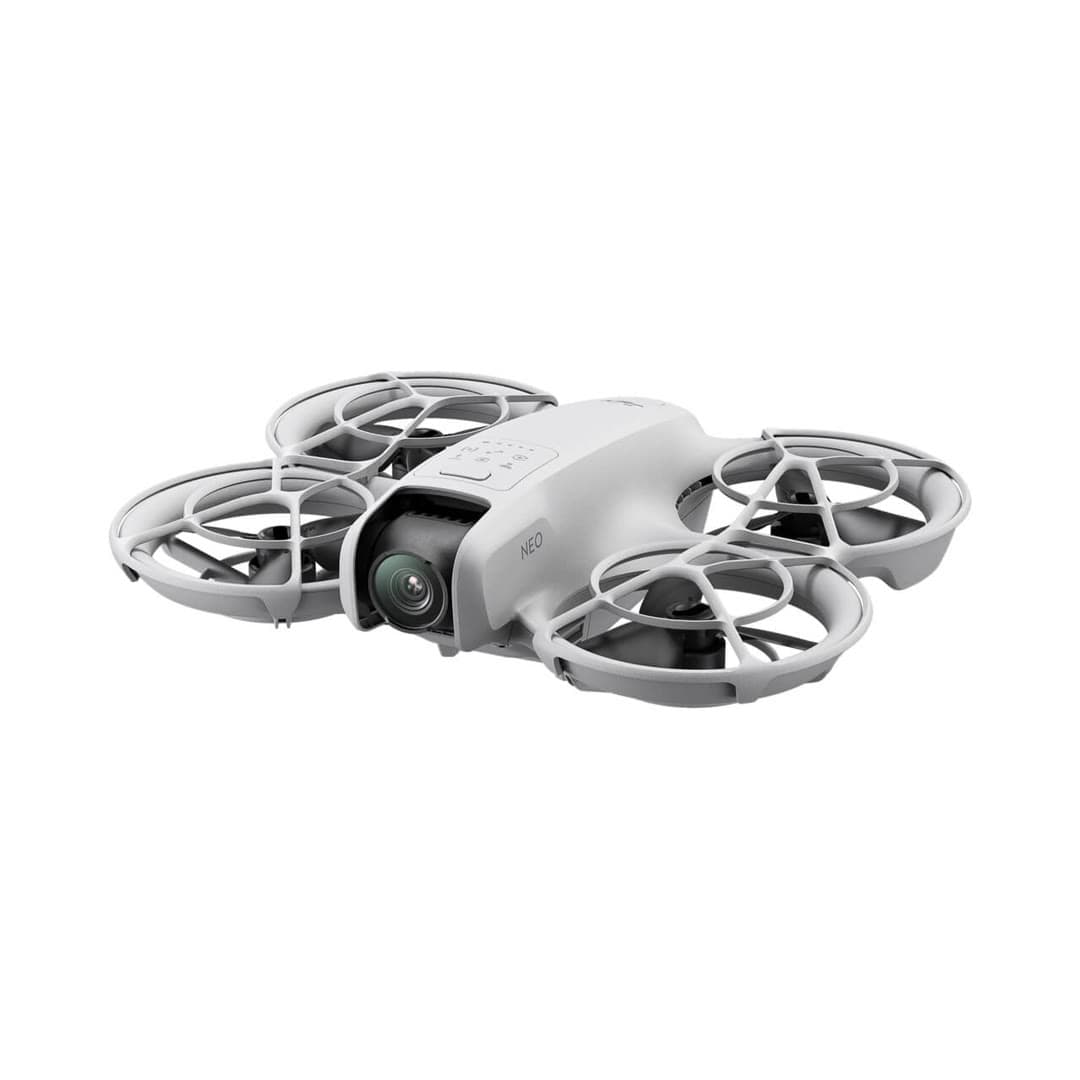
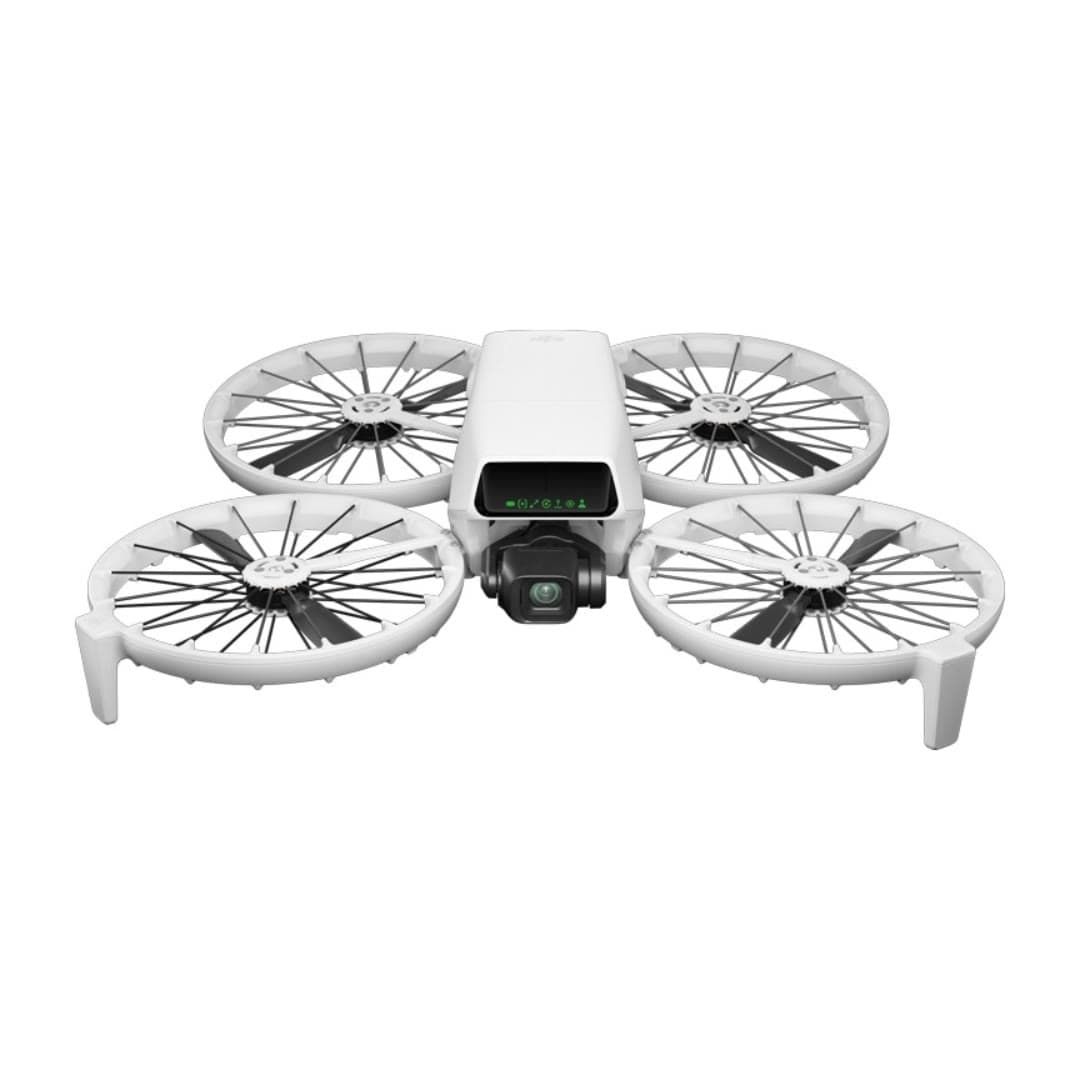
The Neo is the cheaper, lighter route to automatic clips of yourself. The Flip costs roughly twice as much because it is also a conventional camera drone: it adds a larger sensor, a three-axis gimbal, RAW photos, longer flights, and more wind margin. The right answer depends on whether you want a flying selfie camera or a compact aircraft for deliberate aerial photography.
The short answer
Buy the DJI Neo when the job is a quick automatic clip of yourself and the lowest purchase price matters most. Buy the DJI Flip when you want a camera drone you can grow into. Its larger sensor, three-axis gimbal, RAW photos, 10-bit D-Log M, longer published endurance, and higher wind specification are meaningful upgrades. The Flip costs roughly twice as much because it solves a broader camera job, not because it is a small Neo upgrade.
Buying disclosure: price links in this comparison are affiliate links. If you buy through one, Drone Authority may earn a commission at no extra cost to you. Full disclosure
If you want the cheapest automatic selfie drone
DJI Neo
Neo gets palm launch, subject tracking, and finished social clips into the air for the least money.
If image quality matters beyond quick social clips
DJI Flip
Flip's larger sensor, three-axis gimbal, RAW photos, D-Log M, and longer endurance support more deliberate aerial photography.
If every ounce and inch matters
DJI Neo
At about 135 grams, Neo is the smaller aircraft to keep in a day bag for quick, close-range capture.
If you expect wind or repeated takes
DJI Flip
Flip publishes almost twice the flight time and a higher wind-resistance limit, giving it more practical outdoor margin.
| Spec | | |
|---|---|---|
| Core purpose | Palm-launch selfie and follow clips | Guarded beginner camera drone |
| Camera | 1/2in, 12 MP, 4K/30 | 1/1.3in, 48 MP, 4K/60 HDR |
| Stabilization | 1-axis tilt gimbal + EIS | 3-axis mechanical gimbal |
| Published flight time | Up to 18 min | Up to 31 min |
| Published wind resistance | 8 m/s | 10.7 m/s |
| Obstacle awareness | Positioning only; no avoidance | Forward braking in limited modes + downward positioning |
| Takeoff weight | Approx. 135 g | Under 249 g |
| Typical price band | $200 - $250 | $440 - $520 |
| Our score | 8.1 / 10 | 8.4 / 10 |
Highlighted cells mark our editorial pick for that row, based on researching published specs and owner feedback, not lab testing. A row with no highlight is a genuine toss-up. See each drone's full review for the detail behind these calls.
Either way, sort out the legal side first
Do I need a license to fly this?01
The extra money buys a much better camera
DJI Neo uses a 1/2-inch 12-megapixel sensor, a single-axis tilt gimbal, and electronic stabilization. It records stabilized 4K video at up to 30 frames per second and saves JPEG stills. That package is well matched to automatic Dronie, Circle, Rocket, and follow clips that are headed straight to a phone or social feed.
DJI Flip uses a larger 1/1.3-inch sensor and a three-axis mechanical gimbal. It adds 48-megapixel and DNG/RAW stills, 4K/60 HDR, 4K/100 slow motion, 10-bit D-Log M, and a maximum video bitrate twice Neo's published figure. Drone Authority has not run a controlled image test between these aircraft, but the capture formats and stabilization hardware make Flip the much more flexible camera on paper.
02
Flight time changes how each aircraft feels outside
DJI rates Neo for approximately 18 minutes of forward flight in controlled, windless conditions. It rates Flip for 31 minutes under a different controlled test and publishes maximum wind resistance of 10.7 m/s, compared with 8 m/s for Neo. Neither manufacturer maximum is usable on-station time; transit, wind, maneuvering, return, and landing reserve all reduce it.
The gap still matters. Neo is easy to launch for one short automated move, then put away. Flip leaves more room for reframing, repeated takes, and a conventional controller flight without turning every decision into a battery decision. Buyers planning outdoor landscapes, family trips, or deliberate camera moves will notice that difference more than the small increase in packed size.
03
The propeller guards do not make tracking obstacle-proof
Both aircraft enclose their propellers, which can reduce damage from low-energy contact. Neo does not provide an obstacle-avoidance system. Flip adds forward 3D infrared sensing and downward positioning, but DJI states that its intelligent functions, including subject tracking, do not support obstacle avoidance. Forward braking is limited to specified manual-flight and return-to-home conditions.
Treat both tracking systems as cameras that need an open route, not autonomous pilots. Branches, wires, lateral movement, backward movement, weak light, and low-contrast surfaces remain collision risks. Propeller protection also does not create legal permission to fly over people. The remote pilot still needs visual line of sight and a route that keeps other people out of danger.
04
Compare complete kits, not the cheapest listing
Neo can produce palm-controlled clips with only the aircraft and a compatible phone. Adding a remote controller, goggles, extra batteries, and a charging hub changes both the price and the kind of flying it can do. Flip costs more at the starting line, but the normal controller package already points toward deliberate camera flight rather than controller-free automatic clips.
Both aircraft are DJI products and share the same U.S. stock uncertainty. Check the exact seller, controller, battery count, warranty path, and return terms before comparing totals. A discounted Neo bundle can be excellent value for short personal clips. A buyer who already knows that RAW stills, color grading, wind margin, or repeated takes matter should buy the Flip once instead of building an expensive Neo kit that still cannot provide those camera capabilities.
Evidence file
Sources behind this comparison
- DJI Neo specifications
Manufacturer weight, camera, gimbal, video, endurance, wind, battery, and control specifications.
- DJI Flip specifications
Manufacturer weight, camera, gimbal, sensing, endurance, wind, battery, and transmission specifications.
- DJI Flip FAQ
Manufacturer operating limits for forward braking, subject tracking, and intelligent-flight obstacle sensing.
- FAA drone registration guidance
Official U.S. distinction between the sub-250-gram recreational exception and mandatory Part 107 registration.
- Digital Camera World comparison
Independent comparison from a reviewer who reports testing both aircraft, used to challenge the buyer verdicts.
- TechRadar comparison
Independent beginner-focused comparison used to check price, camera, control, and use-case distinctions.
Buyer questions
What usually decides it
- Is the DJI Flip worth the extra money over the Neo?
- Yes when you want conventional aerial footage, RAW photos, smoother mechanical stabilization, longer flights, or more wind margin. No when the goal is an inexpensive palm-launched camera for short automatic clips of yourself.
- Which is better for a complete beginner, DJI Neo or Flip?
- Neo is the easiest way to make an immediate automated clip without buying a controller. Flip is the better beginner aircraft for someone who wants to learn conventional camera-drone control and keep using the same platform as their filming improves.
- Does DJI Flip have a much better camera than Neo?
- Flip has the stronger camera system on published hardware and formats: a larger 1/1.3-inch sensor, three-axis gimbal, DNG/RAW photos, 4K/60 HDR, 4K/100 slow motion, and D-Log M. Neo prioritizes simple stabilized 4K/30 clips from a smaller 1/2-inch sensor.
- Do DJI Neo and Flip need FAA registration?
- A standard aircraft flown only for recreation can qualify for the U.S. under-250-gram registration exception. Every aircraft flown under Part 107 must be registered, and add-on equipment can change the takeoff weight.
- Can DJI Neo or Flip avoid obstacles while tracking?
- Do not rely on either aircraft to avoid obstacles during an automated tracking route. Neo has no obstacle-avoidance system. Flip has limited forward braking in specified modes, but DJI says intelligent functions such as subject tracking do not support obstacle avoidance.
Keep comparing
The next useful matchups
DJI Neo vs Potensic Atom
These two sit at the bottom of the price ladder but aim at different jobs. The Neo is a hands-free selfie flyer in the DJI ecosystem; the Atom is a more traditional camera drone with a real mechanical gimbal and no DJI supply worries. Here is the breakdown.
Open comparison →DJI Flip vs DJI Mini 4 Pro
These two share a 1/1.3-inch sensor and can stay under 249 g in standard configurations, but they are not interchangeable cameras. The Flip prioritizes guarded palm-launch automation and price. The Mini 4 Pro adds omnidirectional sensing, native vertical capture, longer endurance, and the more flexible manual-flight workflow.
Open comparison →DJI Neo 2 vs DJI Flip
Neo 2 is the better pocket follow camera: it is lighter, faster to deploy, easier to position with gestures, and equipped with broader obstacle sensing. Flip is the better camera drone: it records RAW photos and 10-bit D-Log M video through a three-axis gimbal, flies longer, and accepts microSD storage. Choose the Neo 2 when filming yourself is the main job; choose Flip when the files matter more than the setup time.
Open comparison →DJI Neo 2 vs DJI Neo
Neo 2 is a substantial capability upgrade, not a cosmetic refresh. It adds a two-axis gimbal, 4K/60, faster ActiveTrack, omnidirectional sensing with forward LiDAR, gesture control, and much more storage. The original Neo stays compelling when low cost and normal U.S. availability matter more than advanced tracking or obstacle sensing.
Open comparison →Aircraft to operation
Before first launch
Buying the aircraft is one decision. Use this sequence to get from the box to a deliberate, legal first flight.
Aircraft under consideration
DJI Neo and DJI Flip
DJI Neo: 135 g (recreational registration exempt) · DJI Flip: Under 249 g
- 01Check registration
Aircraft status
Set the registration path
DJI Neo and DJI Flip are listed below 250 g in these configurations. Recreational-only use may qualify for the weight exception, but every Part 107 aircraft must be registered.
- 02Start the airspace check
Launch location
Check the exact airspace
The aircraft does not decide whether a location is clear. Check the launch point, planned altitude, date, and time for controlled airspace, restrictions, and local launch rules.
- 03Check commercial requirements
Only when it is work
ConditionalDecide whether Part 107 applies
A small drone does not create a business-use exception. If the flight serves a client, employer, listing, monetized project, or another non-recreational purpose, check the Part 107 path first.
- 04Open the first-flight checklist
Props still off
Run the first-flight preflight
Confirm aircraft condition, firmware, battery health, controller link, home point, return-to-home settings, weather, people, obstacles, and the lost-link plan before takeoff.
Affiliate relationships do not determine our comparison winners. Read how we make money. Price bands were reviewed with the evidence above and can move quickly, especially for DJI products without a normal U.S. launch.