Drone Authority · Comparison
DJI Mini 4 Pro vs DJI Air 3S
Honest synthesis from researching published specs and owner feedback. We do not run a test lab.
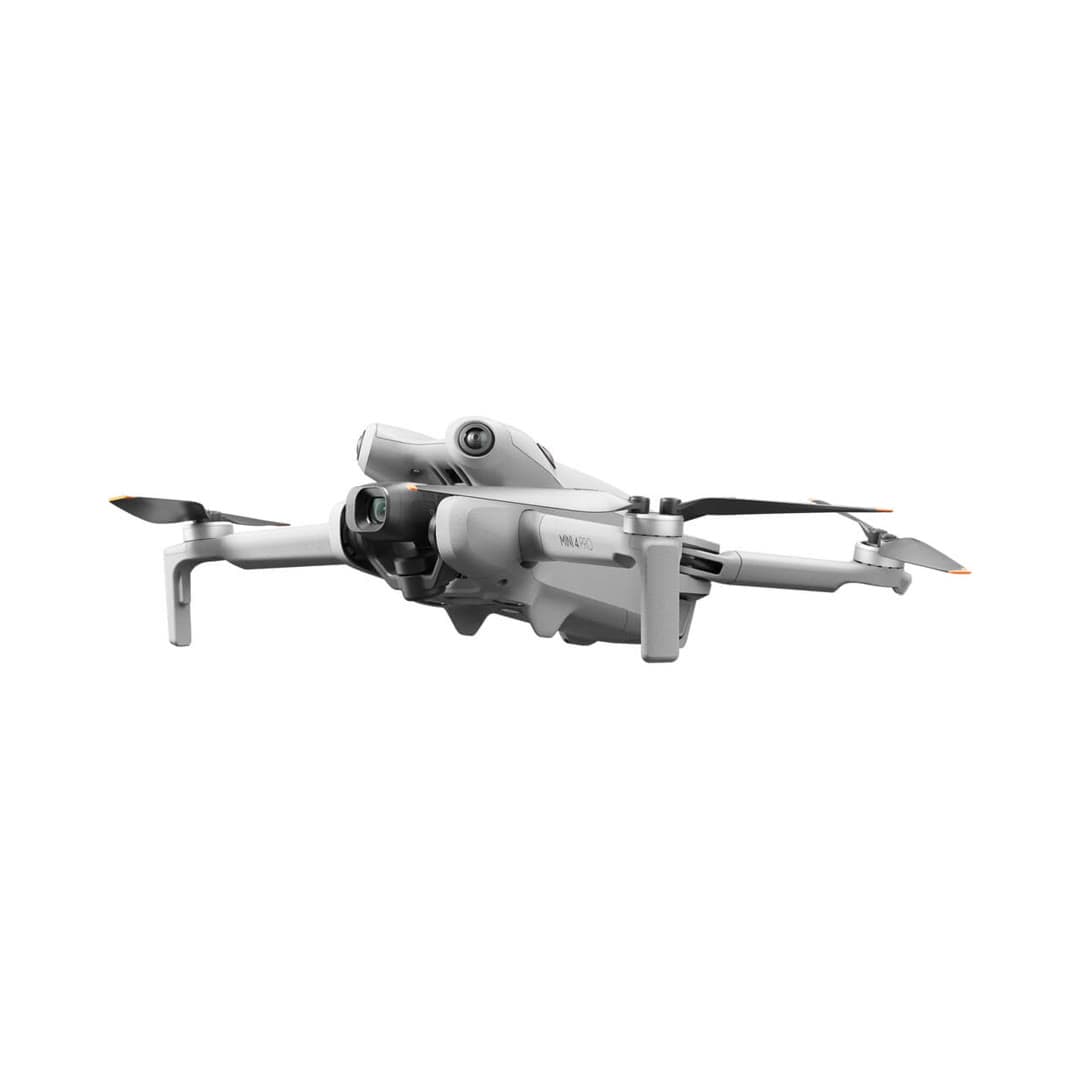
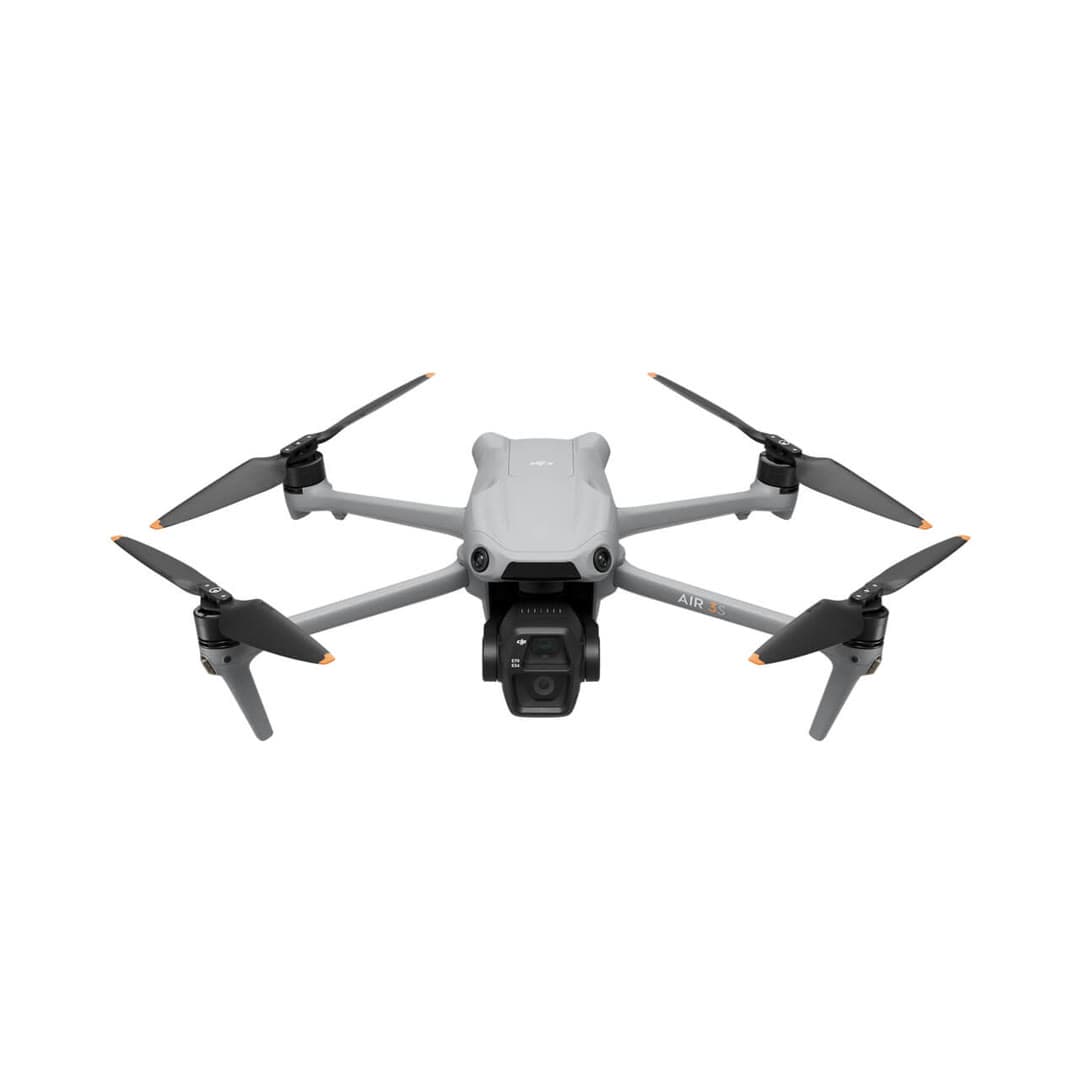
Both are excellent DJI drones, but they answer different questions. The Mini 4 Pro stays under the 249 g recreational registration line; the Air 3S adds a second telephoto camera and longer flights and requires registration. Part 107 use requires registration for either aircraft. Here is how they stack up and who each one is for.
The short answer
Buy the DJI Mini 4 Pro when portability, native vertical video, and a standard sub-249-gram recreational configuration matter most. Buy the DJI Air 3S when the 1-inch wide camera, 70 mm tele camera, stronger wind specification, and longer standard-battery endurance are worth carrying a 724-gram registered aircraft. For most paid camera work, the Air 3S is the stronger tool; for travel and casual recreation, the Mini 4 Pro is easier to own.
Buying disclosure: price links in this comparison are affiliate links. If you buy through one, Drone Authority may earn a commission at no extra cost to you. Full disclosure
If you fly only for fun and want to skip registration
DJI Mini 4 Pro
Under 249 g qualifies for the recreational registration exception, while Part 107 use still requires registration.
If image quality and reach matter most
DJI Air 3S
The Air 3S dual camera (wide + 70mm tele) and longer flights give serious creators more to work with.
If you travel light
DJI Mini 4 Pro
The Mini packs smaller and lighter, which matters on trips and hikes.
If you want the most all-round capability
DJI Air 3S
For everyday prosumer work the Air 3S edges ahead, if you accept registration and the larger size.
| Spec | | |
|---|---|---|
| Weight / registration | Under 249 g; recreational exemption | ~724 g; registration required |
| Camera system | Single 1/1.3in, 4K/60 HDR | Dual: 1in wide + 70mm tele |
| Flight time | ~34 min (45 w/ Plus) | ~45 min |
| Obstacle sensing | Omnidirectional | Omni + forward LiDAR |
| Transmission | DJI O4, ~20 km | DJI O4 |
| Portability | Lightest, most travel-friendly | Larger, heavier to pack |
| Typical price band | $760 – $1,100 | $1,100 – $1,500 |
| Our score | 9.0 / 10 | 9.1 / 10 |
Highlighted cells mark our editorial pick for that row, based on researching published specs and owner feedback, not lab testing. A row with no highlight is a genuine toss-up. See each drone's full review for the detail behind these calls.
Either way, sort out the legal side first
Do I need a license to fly this?01
Camera: one flexible mini versus a true two-lens system
The Mini 4 Pro's single 1/1.3-inch camera records 4K/60 HDR, 10-bit D-Log M and HLG, DNG stills, and native vertical video. Its rotating gimbal is a real advantage when portrait delivery is part of the brief and a crop would waste too much resolution.
The Air 3S pairs a 1-inch 50-megapixel 24 mm-equivalent wide camera with a 1/1.3-inch 48-megapixel 70 mm-equivalent tele camera. The larger main sensor and optical tele view give the operator more latitude for low light, subject separation, compression, and stand-off composition. The Air wins camera flexibility; the Mini wins vertical efficiency and pack size.
02
Flight: the Air 3S buys margin, not freedom from planning
DJI lists 34 minutes for the Mini 4 Pro's standard battery and 45 minutes for the Air 3S. It rates maximum wind resistance at 10.7 m/s for the Mini and 12 m/s for the Air. Both are controlled-condition claims, but the heavier Air platform offers more useful margin when wind and on-station time matter.
The Mini's Battery Plus can extend the manufacturer maximum to 45 minutes, but it pushes the aircraft above 249 grams. Neither endurance number should be used without transit, return, contingency, and landing reserve.
03
Rules and travel: weight changes the recreational path
A standard-battery Mini 4 Pro used only for recreation can qualify for the U.S. sub-250-gram registration exception. The Air 3S must be registered. Every Part 107 aircraft must be registered regardless of weight, so the Mini's legal advantage narrows when the mission is paid or supports a business.
For airlines and hiking, the Mini also reduces aircraft bulk. Battery transport rules still apply to both, and every destination can add local, land-manager, or national requirements beyond the U.S. registration question.
Evidence file
Sources behind this comparison
- DJI Mini 4 Pro specifications
Manufacturer weight, camera, battery, sensing, and wind specifications.
- DJI Air 3S specifications
Manufacturer weight, dual-camera, battery, sensing, and wind specifications.
- The Drone Girl comparison
Independent buyer-oriented comparison used to challenge the editorial verdict.
Buyer questions
What usually decides it
- Is the Air 3S camera much better than the Mini 4 Pro?
- The Air 3S has a larger 1-inch wide camera and a separate 70 mm tele camera, so it offers more focal-length flexibility and more potential in difficult light. The Mini 4 Pro remains strong in daylight and has the cleaner native-vertical workflow.
- Which is better for a first drone, Mini 4 Pro or Air 3S?
- The Mini 4 Pro is the easier first ownership experience because it is smaller, lighter, less expensive, and can qualify for the recreational registration exception with the standard battery. The Air 3S is the better first serious camera platform when the buyer accepts registration and a larger kit.
- Do I need Part 107 for either drone?
- Part 107 depends on the purpose of the flight, not the model. Business or other non-recreational flying requires Part 107. Every aircraft flown under Part 107 must be registered, including the Mini 4 Pro.
Keep comparing
The next useful matchups
DJI Flip vs DJI Mini 4 Pro
These two share a 1/1.3-inch sensor and can stay under 249 g in standard configurations, but they are not interchangeable cameras. The Flip prioritizes guarded palm-launch automation and price. The Mini 4 Pro adds omnidirectional sensing, native vertical capture, longer endurance, and the more flexible manual-flight workflow.
Open comparison →DJI Mini 3 Pro vs DJI Mini 4 Pro
The Mini 3 Pro remains a capable lightweight camera drone, especially as a clean used kit. The Mini 4 Pro is the safer new-system choice: it fills the side and upward sensing gaps, moves to O4 transmission, adds faster slow motion and newer color workflows, and includes a small amount of internal storage. The right answer depends on the complete used-kit price, not the airframe name alone.
Open comparison →DJI Air 3 vs DJI Air 3S
Air 3 and Air 3S share the same basic dual-camera idea, O4 ecosystem, registration requirement, and much of the battery and accessory system. Air 3S improves the wide camera, low-light obstacle sensing, storage, and file-transfer workflow. Air 3 remains the value pick when a clean complete kit is substantially cheaper and most flying happens in good light.
Open comparison →DJI Mini 4 Pro vs Autel Robotics EVO Lite+
This is really a question about ecosystems and risk. The Mini 4 Pro is the polished, sub-250g DJI choice; the EVO Lite+ offers a bigger 1-inch sensor with adjustable aperture from a non-DJI maker, but Autel has begun retiring its consumer lines. Both tradeoffs are worth weighing carefully.
Open comparison →Aircraft to operation
Before first launch
Buying the aircraft is one decision. Use this sequence to get from the box to a deliberate, legal first flight.
Aircraft under consideration
DJI Mini 4 Pro and DJI Air 3S
DJI Mini 4 Pro: Under 249 g · DJI Air 3S: ~724 g (register)
- 01Check registration
Aircraft status
Set the registration path
DJI Mini 4 Pro is listed below 250 g; DJI Air 3S is listed at registration weight. Part 107 requires registration for either choice.
- 02Start the airspace check
Launch location
Check the exact airspace
The aircraft does not decide whether a location is clear. Check the launch point, planned altitude, date, and time for controlled airspace, restrictions, and local launch rules.
- 03Check commercial requirements
Likely work aircraft
ConditionalClear the commercial requirements
DJI Mini 4 Pro and DJI Air 3S are commonly considered for paid or business work. Confirm the pilot certificate, aircraft registration, Remote ID, airspace, and mission-specific requirements before quoting the job.
- 04Open the first-flight checklist
Props still off
Run the first-flight preflight
Confirm aircraft condition, firmware, battery health, controller link, home point, return-to-home settings, weather, people, obstacles, and the lost-link plan before takeoff.
Affiliate relationships do not determine our comparison winners. Read how we make money. Price bands were reviewed with the evidence above and can move quickly, especially for DJI products without a normal U.S. launch.