Drone Authority · Comparison
Potensic ATOM 3 vs Potensic ATOM 2
Honest synthesis from researching published specs and owner feedback. We do not run a test lab.
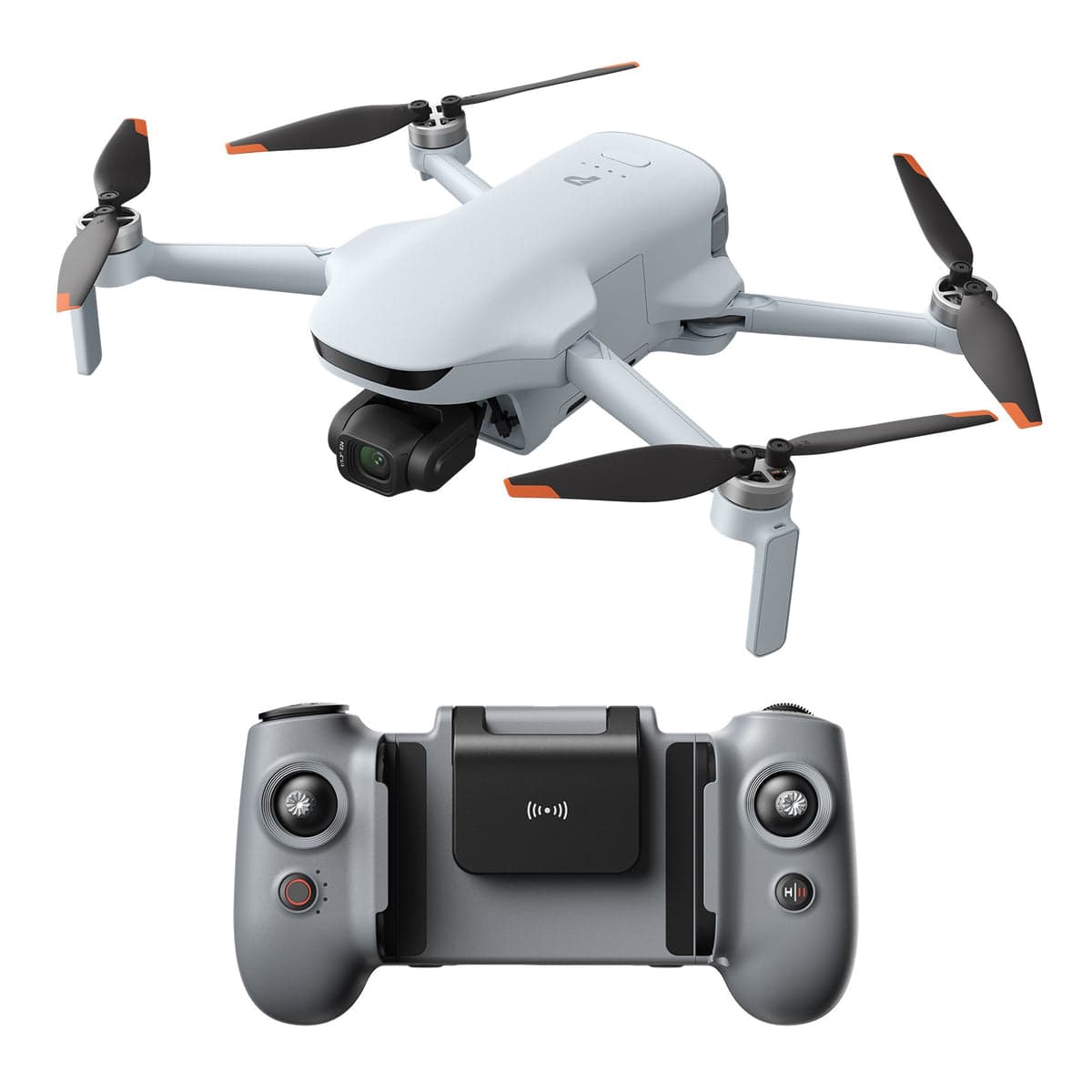
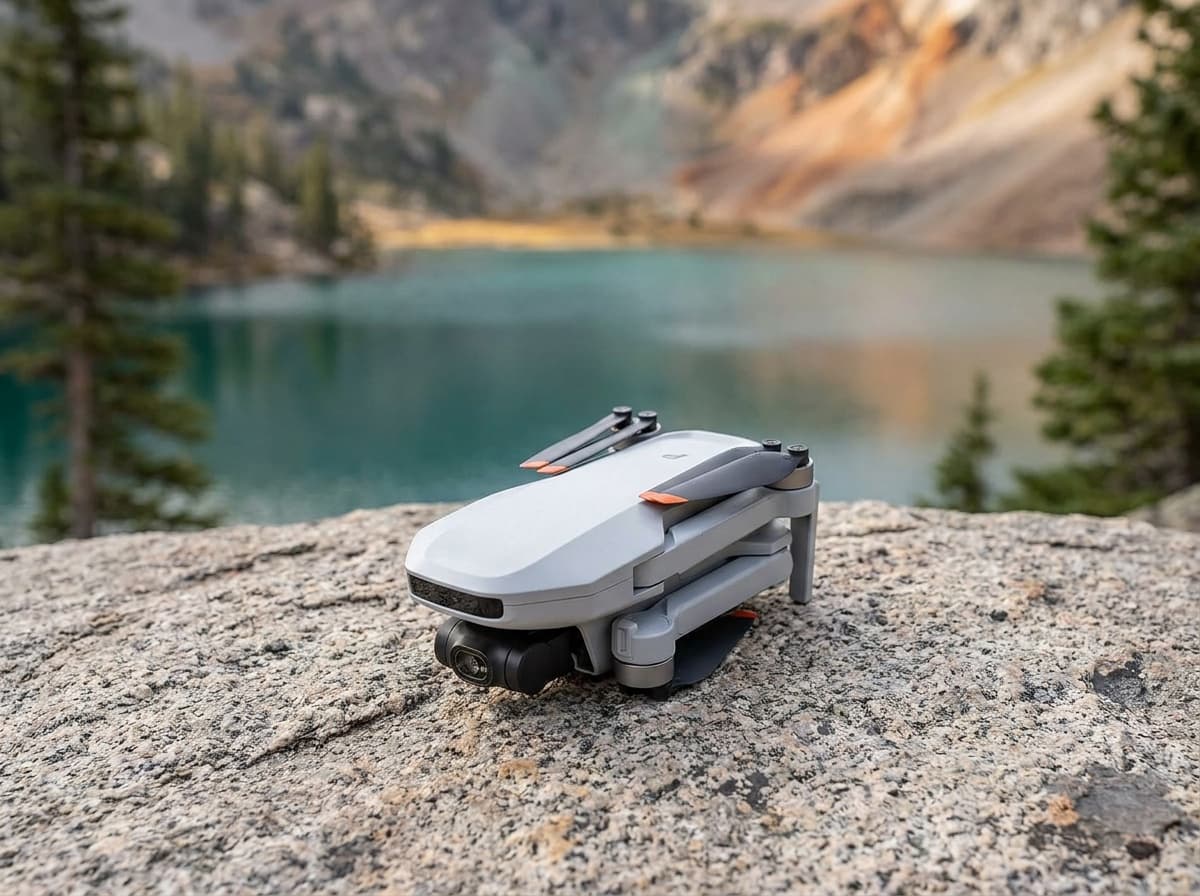
ATOM 3 is the hardware step-up, with a larger 1/1.3-inch sensor, 4K/60 HDR, P-Log, PixSync 5.0, and longer published flight options. ATOM 2 is the more established and less expensive choice. Potensic's own U.S. storefront currently shows ATOM 3 availability as variable, so buyers should verify the live seller, controller, battery, and bundle before ordering.
The short answer
Buy the Potensic ATOM 2 when price and a longer ownership record matter most. Buy the ATOM 3 when its 1/1.3-inch 50-megapixel camera, 4K/60, PixSync 5.0, and 40-minute manufacturer maximum are worth the newer-model premium. Both are sub-249-gram three-axis-gimbal camera drones without active obstacle avoidance, so the ATOM 3 improves capture and endurance rather than changing the safety class.
Buying disclosure: price links in this comparison are affiliate links. If you buy through one, Drone Authority may earn a commission at no extra cost to you. Full disclosure
If camera hardware matters most
Potensic ATOM 3
The larger sensor, 4K/60 HDR, and P-Log make ATOM 3 the more ambitious imaging platform.
If you want established value
Potensic ATOM 2
ATOM 2 is less expensive and has a longer ownership record without giving up the 3-axis gimbal or 4K HDR.
If long published endurance matters
Potensic ATOM 3
ATOM 3 offers the longer manufacturer maximums, though battery choice and real conditions determine usable time.
If you need to buy in the U.S. today
Potensic ATOM 2
ATOM 2 has the clearer current retail path; verify ATOM 3 availability rather than assuming every listed bundle can ship.
If recreational registration is the concern
Potensic ATOM 2
Both standard configurations are marketed below 249 g, but ATOM 2 avoids the uncertainty of ATOM 3's extended-battery configurations. Part 107 use requires registration either way.
| Spec | | |
|---|---|---|
| Takeoff weight / registration | Marketed under 249 g; verify the installed battery and accessories | Marketed under 249 g; verify the installed accessories |
| Camera sensor | 1/1.3in, 50 MP | 1/2in Sony CMOS, 48 MP |
| Video and color | 4K/60 HDR with P-Log | 4K/30 HDR |
| Transmission | PixSync 5.0; up to 16 km published maximum | PixSync 4.0; up to 10 km published maximum |
| Published flight time | Up to 40 min standard or 50 min with extended battery | Up to 32 min |
| Tracking and creative modes | AI Tracking 2.0, low-altitude tracking with optional guard, added creative modes | Follow, Parallel, Spotlight, vertical shooting, and smart modes |
| Obstacle avoidance | No omnidirectional obstacle-avoidance system | No omnidirectional obstacle-avoidance system |
| U.S. buying path | Current official-store availability varies; verify live bundle and support | Established official-store and marketplace path |
| Typical catalog price band | $400 - $550 | $330 - $450 |
Highlighted cells mark our editorial pick for that row, based on researching published specs and owner feedback, not lab testing. A row with no highlight is a genuine toss-up. See each drone's full review for the detail behind these calls.
Either way, sort out the legal side first
Do I need a license to fly this?01
ATOM 3 upgrades every part of the capture chain
Potensic moves from the ATOM 2's 1/2-inch 48-megapixel camera, 4K/30 ceiling, 80 Mbps maximum bitrate, and PixSync 4.0 link to a 1/1.3-inch 50-megapixel camera, 4K/60, 120 Mbps, and PixSync 5.0 on ATOM 3. Both support RAW stills, P-Log, AI tracking, and a mechanical three-axis gimbal.
Those are manufacturer specifications, not a controlled image-quality or link-reliability test. The larger sensor and doubled 4K frame-rate ceiling make ATOM 3 the more flexible camera, while ATOM 2 remains capable for daylight stills, normal-speed video, and first-aircraft practice.
02
Endurance grows, but obstacle awareness does not
Potensic publishes up to 32 minutes for ATOM 2 and 40 minutes with ATOM 3's standard battery, with a 50-minute Plus option on ATOM 3. Those figures are measured in controlled low-altitude, windless conditions and should be reduced for wind, recording, transit, return, and landing reserve.
Both aircraft use downward vision for positioning and do not provide active multidirectional obstacle avoidance. AI Follow does not change that fact. Open routes, visual line of sight, and generous margins around trees, wires, structures, people, and water remain part of the operating system.
03
The value decision is maturity versus headroom
ATOM 2 has a longer public reliability record, wider discounting, and a mature support trail. ATOM 3 is the more complete specification but is still accumulating evidence about firmware, battery aging, tracking consistency, repair turnaround, and long-term parts availability.
Potensic specifies both standard configurations below 249 grams, which can qualify them for the U.S. recreational registration exception. Part 107 aircraft must be registered regardless of weight, and ATOM 3 Battery Plus or other additions can change the takeoff category.
Evidence file
Sources behind this comparison
- Potensic ATOM 3 specifications
Manufacturer weight, camera, gimbal, battery, transmission, and positioning specifications.
- Potensic ATOM 2 specifications
Manufacturer weight, camera, gimbal, battery, transmission, and positioning specifications.
- FAA drone registration guidance
Official U.S. recreational and Part 107 registration thresholds.
Buyer questions
What usually decides it
- Is ATOM 3 worth more than ATOM 2?
- It is worth the premium when 4K/60, the larger 1/1.3-inch sensor, longer battery options, and newer transmission system affect your work. ATOM 2 remains the value choice for normal-speed daylight capture.
- Do ATOM 2 or ATOM 3 have obstacle avoidance?
- No active multidirectional obstacle-avoidance system is listed for either aircraft. Their downward vision supports positioning; it should not be confused with seeing and routing around hazards ahead.
- Do I need to register an ATOM 2 or ATOM 3?
- Their standard configurations are specified below 249 grams and can qualify for the U.S. recreational exception. Every Part 107 aircraft must be registered, and added batteries or accessories can change takeoff weight.
Aircraft to operation
Before first launch
Buying the aircraft is one decision. Use this sequence to get from the box to a deliberate, legal first flight.
Aircraft under consideration
Potensic ATOM 3 and Potensic ATOM 2
Potensic ATOM 3: Under 249 g · Potensic ATOM 2: Under 249 g
- 01Check registration
Aircraft status
Set the registration path
Potensic ATOM 3 and Potensic ATOM 2 are listed below 250 g in these configurations. Recreational-only use may qualify for the weight exception, but every Part 107 aircraft must be registered.
- 02Start the airspace check
Launch location
Check the exact airspace
The aircraft does not decide whether a location is clear. Check the launch point, planned altitude, date, and time for controlled airspace, restrictions, and local launch rules.
- 03Check commercial requirements
Only when it is work
ConditionalDecide whether Part 107 applies
A small drone does not create a business-use exception. If the flight serves a client, employer, listing, monetized project, or another non-recreational purpose, check the Part 107 path first.
- 04Open the first-flight checklist
Props still off
Run the first-flight preflight
Confirm aircraft condition, firmware, battery health, controller link, home point, return-to-home settings, weather, people, obstacles, and the lost-link plan before takeoff.
Affiliate relationships do not determine our comparison winners. Read how we make money. Price bands were reviewed with the evidence above and can move quickly, especially for DJI products without a normal U.S. launch.