Drone Authority · Comparison
DJI Neo vs Potensic Atom
Honest synthesis from researching published specs and owner feedback. We do not run a test lab.
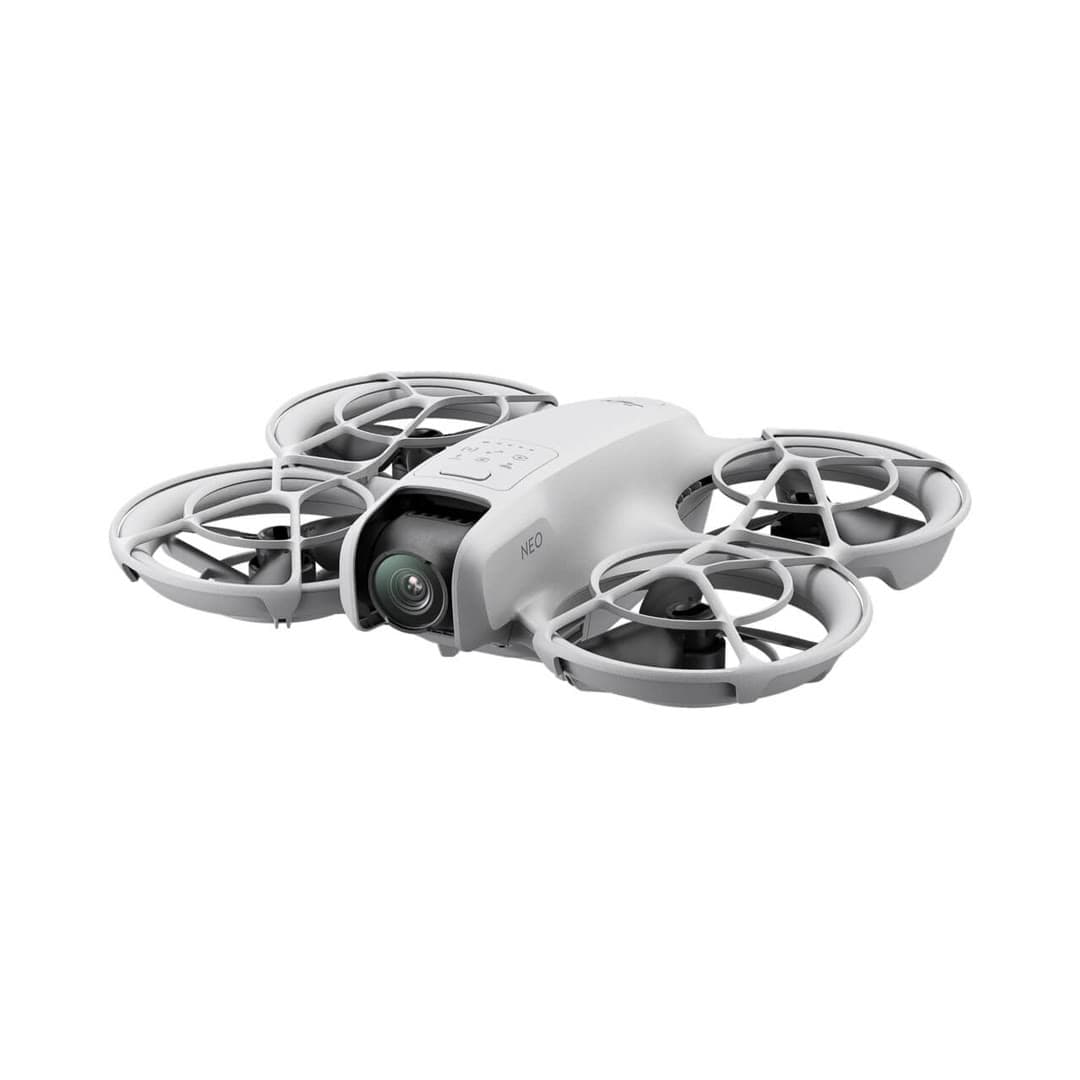
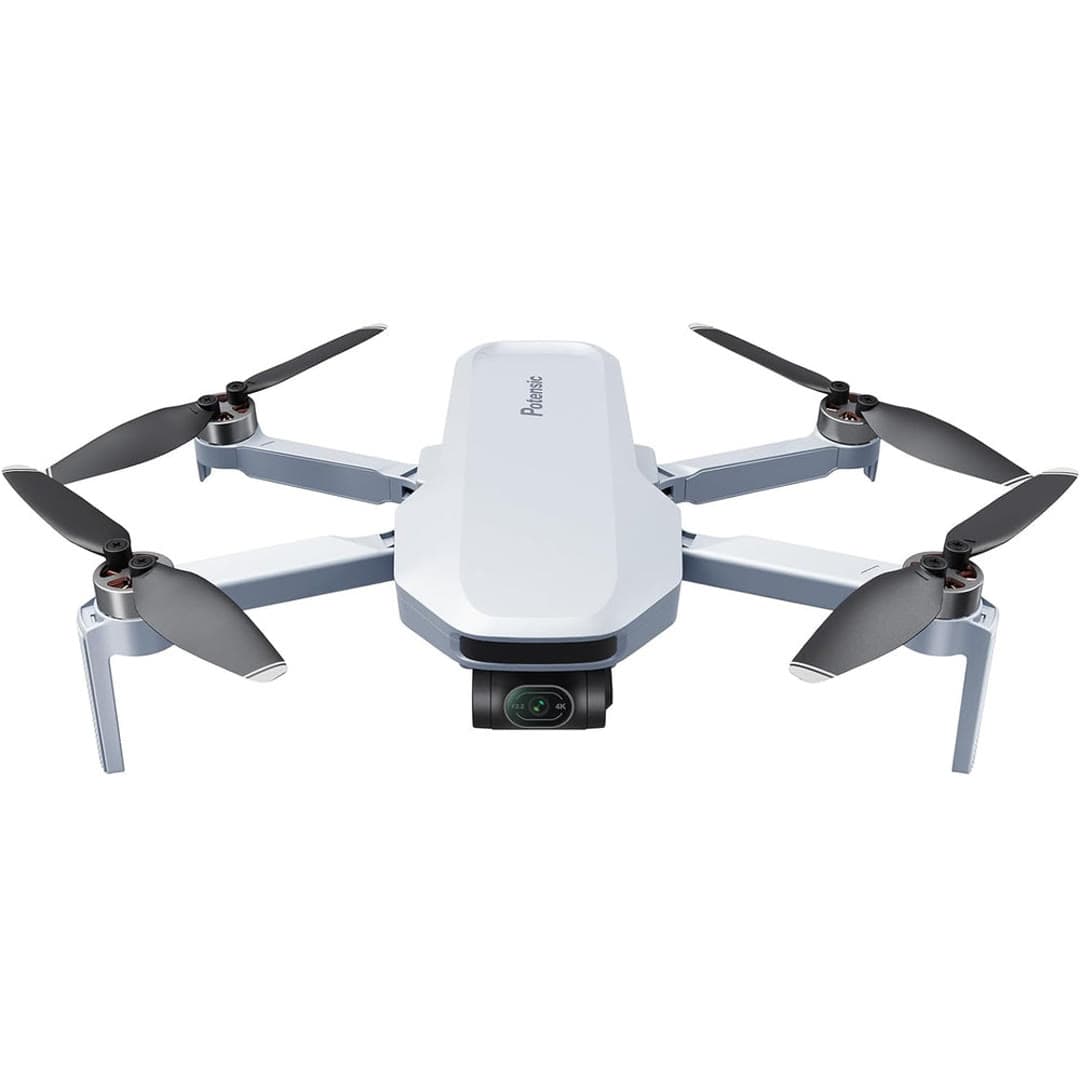
These two sit at the bottom of the price ladder but aim at different jobs. The Neo is a hands-free selfie flyer in the DJI ecosystem; the Atom is a more traditional camera drone with a real mechanical gimbal and no DJI supply worries. Here is the breakdown.
The short answer
Buy the DJI Neo for palm launch, automatic selfie and follow clips, and the lowest-cost path into DJI's ecosystem. Buy the Potensic Atom for conventional aerial video: it includes a controller, uses GPS flight control and a three-axis mechanical gimbal, and offers a much longer manufacturer endurance claim. They are similar in price but are not the same kind of drone.
Buying disclosure: price links in this comparison are affiliate links. If you buy through one, Drone Authority may earn a commission at no extra cost to you. Full disclosure
If you mostly want selfies and follow shots
DJI Neo
The Neo takes off from your palm and tracks you with no controller, exactly its lane.
If you want real gimbal-stabilized footage
Potensic Atom
The Atom's mechanical 3-axis gimbal and longer flights make it the better all-round little camera drone.
If you want to avoid DJI supply uncertainty
Potensic Atom
The Atom is non-DJI, so it sidesteps the FCC Covered List import freeze entirely.
If budget is the deciding factor
DJI Neo
The Neo is the cheapest way to start flying and into the DJI app ecosystem.
| Spec | | |
|---|---|---|
| Core purpose | Hands-free selfie / follow clips | Gimbal-stabilized camera drone |
| Stabilization | 1-axis tilt gimbal + EIS | 3-axis mechanical gimbal |
| Camera | 4K/30 stabilized | 4K, 3-axis gimbal |
| Flight time | ~18 min | ~32 min |
| Weight / registration | 135 g; recreational exemption | Under 249 g; recreational exemption |
| Control | Palm / phone / RC | Controller + GPS |
| DJI import freeze exposure | DJI product, finite stock | Non-DJI, unaffected |
| Typical price band | $200 – $250 | $250 – $350 |
| Our score | 8.1 / 10 | 7.9 / 10 |
Highlighted cells mark our editorial pick for that row, based on researching published specs and owner feedback, not lab testing. A row with no highlight is a genuine toss-up. See each drone's full review for the detail behind these calls.
Either way, sort out the legal side first
Do I need a license to fly this?01
The category difference matters more than the score
The Neo is a 135-gram personal videographer that can launch from the hand and run automatic subject moves. The Atom is a 249-gram folding GPS camera drone designed around a conventional remote controller and deliberate flight paths. A single overall score hides that difference.
Choose based on the shot: close, automated clips of the operator favor the Neo; landscapes, planned reveals, top-downs, and repeatable framing favor the Atom.
02
Stabilization: electronic assistance versus a three-axis gimbal
The Neo uses a single-axis mechanical tilt gimbal with RockSteady or HorizonBalancing electronic stabilization. It can produce smooth social footage, but it is not a three-axis-gimbal camera system. The Atom uses a mechanical three-axis gimbal, which is the more appropriate platform for controlled horizon and cinematic camera movement.
The Neo also emphasizes finished automatic clips over a broad manual imaging workflow. The Atom is still a budget camera, but its capture architecture is closer to a traditional DJI Mini.
03
Endurance and obstacle awareness
DJI rates the Neo for approximately 18 minutes in controlled conditions. Potensic rates the Atom around 32 minutes. Real usable time is lower after wind, transit, maneuvering, and return reserve, but the gap is large enough to change how many batteries a session needs.
Neither aircraft should be treated as obstacle-proof. The Atom does not provide obstacle avoidance, and the original Neo does not provide the omnidirectional sensing found on higher DJI models. Keep both in open, visible routes.
Evidence file
Sources behind this comparison
- DJI Neo specifications
Manufacturer weight, camera, stabilization, control, and endurance claims.
- Potensic Atom user manual
Manufacturer camera, gimbal, flight-control, and operating specifications.
- B&H specification comparison
Normalized side-by-side hardware specification check.
- Digital Camera World Atom review
Independent field review used to check camera and value tradeoffs.
Buyer questions
What usually decides it
- Which has better video, DJI Neo or Potensic Atom?
- The Potensic Atom is the better conventional aerial-video platform because it uses a three-axis mechanical gimbal and a controller-based camera-drone workflow. The Neo is better at automatic close-range selfie and follow clips.
- Which is easier for a complete beginner?
- The Neo is easier for an immediate automated clip because it can palm launch without a controller. The Atom is the better aircraft for learning conventional stick control, GPS flight, planned camera moves, and return-to-home habits.
- Do the Neo and Atom need FAA registration?
- Both can qualify for the U.S. sub-250-gram recreational registration exception in their standard configurations. Every Part 107 aircraft must be registered, and all recreational flyers still need TRUST.
Keep comparing
The next useful matchups
DJI Neo vs DJI Flip
The Neo is the cheaper, lighter route to automatic clips of yourself. The Flip costs roughly twice as much because it is also a conventional camera drone: it adds a larger sensor, a three-axis gimbal, RAW photos, longer flights, and more wind margin. The right answer depends on whether you want a flying selfie camera or a compact aircraft for deliberate aerial photography.
Open comparison →DJI Neo 2 vs DJI Neo
Neo 2 is a substantial capability upgrade, not a cosmetic refresh. It adds a two-axis gimbal, 4K/60, faster ActiveTrack, omnidirectional sensing with forward LiDAR, gesture control, and much more storage. The original Neo stays compelling when low cost and normal U.S. availability matter more than advanced tracking or obstacle sensing.
Open comparison →Aircraft to operation
Before first launch
Buying the aircraft is one decision. Use this sequence to get from the box to a deliberate, legal first flight.
Aircraft under consideration
DJI Neo and Potensic Atom
DJI Neo: 135 g (recreational registration exempt) · Potensic Atom: Under 249 g
- 01Check registration
Aircraft status
Set the registration path
DJI Neo and Potensic Atom are listed below 250 g in these configurations. Recreational-only use may qualify for the weight exception, but every Part 107 aircraft must be registered.
- 02Start the airspace check
Launch location
Check the exact airspace
The aircraft does not decide whether a location is clear. Check the launch point, planned altitude, date, and time for controlled airspace, restrictions, and local launch rules.
- 03Check commercial requirements
Only when it is work
ConditionalDecide whether Part 107 applies
A small drone does not create a business-use exception. If the flight serves a client, employer, listing, monetized project, or another non-recreational purpose, check the Part 107 path first.
- 04Open the first-flight checklist
Props still off
Run the first-flight preflight
Confirm aircraft condition, firmware, battery health, controller link, home point, return-to-home settings, weather, people, obstacles, and the lost-link plan before takeoff.
Affiliate relationships do not determine our comparison winners. Read how we make money. Price bands were reviewed with the evidence above and can move quickly, especially for DJI products without a normal U.S. launch.