Skip to content

Drone business · Portfolio

Build a drone portfolio that proves the finished job

A client does not need a reel of your favorite flights. Show one complete, permissioned assignment with the files, checks, handoff, and limits they would see after hiring you.

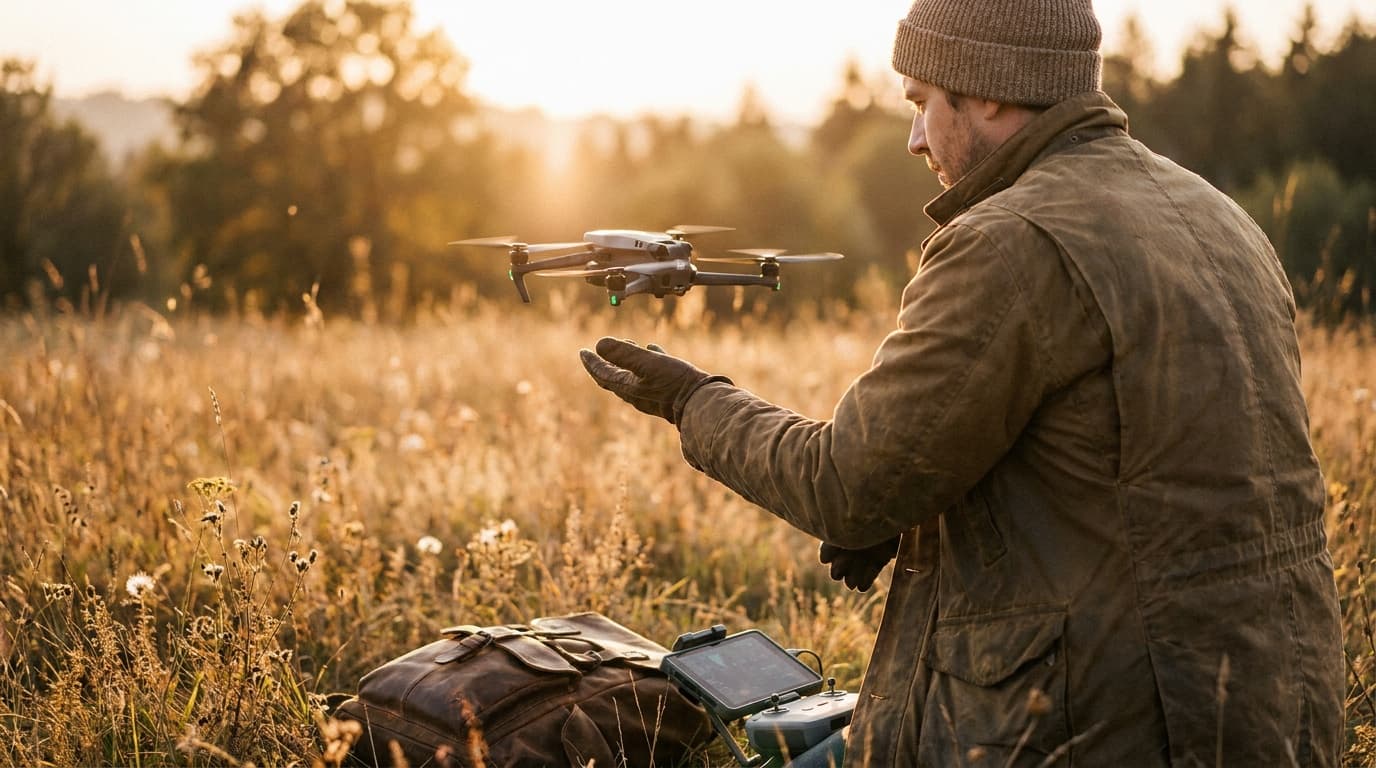
Commercial drone pilot preparing an aircraft for a documented field assignment

The direct answer

One complete case study beats twenty disconnected clips.

Pick one buyer and one deliverable. Then show the brief, access, method, output, quality check, and handoff in order. That lets a buyer judge whether you understand the work beyond flying the aircraft.

1
Mission
1
Complete package
0
Invented claims

Portfolio proof planner

Build the evidence around one finished job.

Choose the work and the source of the sample. The planner turns it into a complete case study a buyer can inspect.

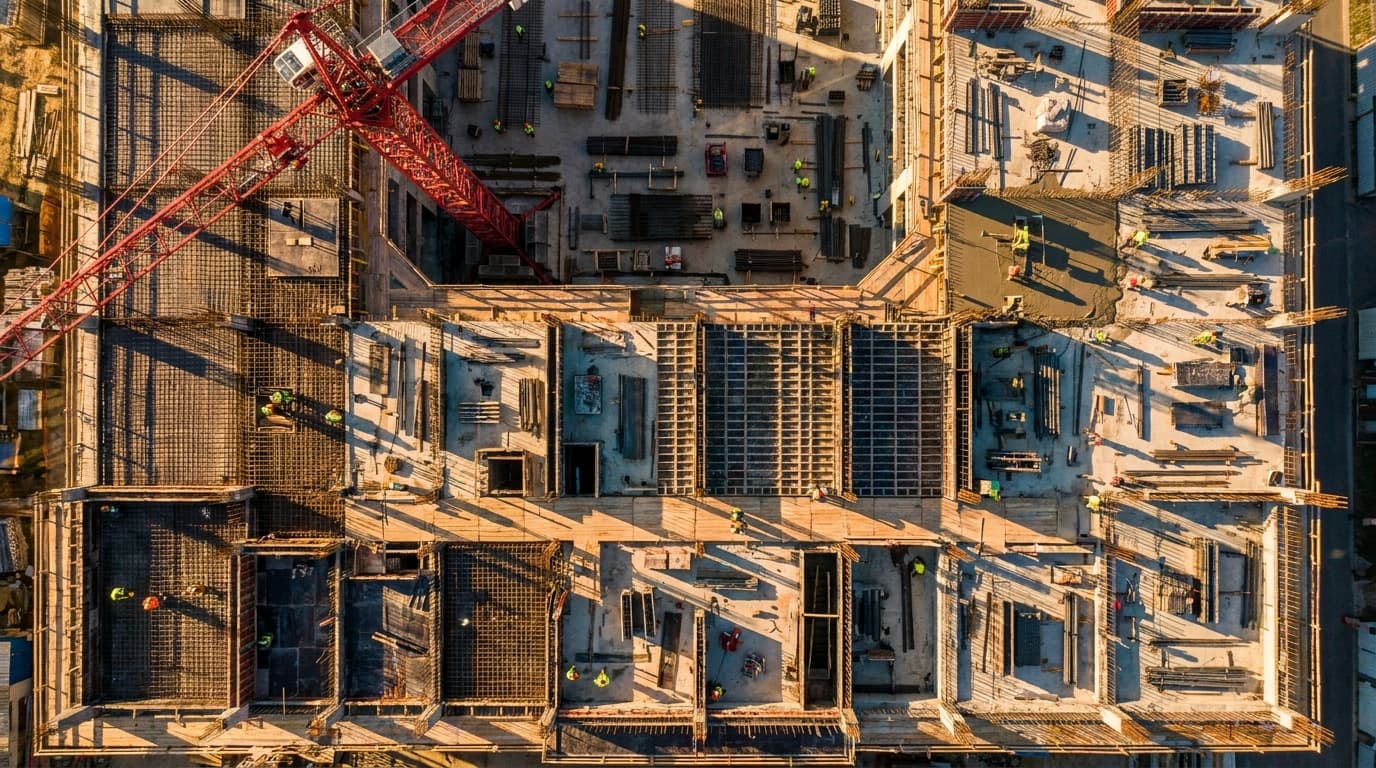
Active construction site documented from above for progress comparisonConstruction progress
1 · Mission
2 · Source of proof

Six-frame proof package

Construction progress

Recurring work where the client wants a record, not just pretty images. The value is consistency: same route, same altitude, same angles, same reporting cadence.

Brief

01

Name the decision

The first frame tells a buyer what the sample was meant to accomplish.

  • Buyer: General contractors, owners, superintendents, developers
  • Client question: What must the project team be able to compare, verify, communicate, or measure at the next owner meeting?
  • Sample assignment: Create a two-date progress report
Access

02

Show the work was allowed

Record the site, permission, operating authority, and assignment limits before showing the imagery.

  • Part 107
  • Jobsite permission
  • PPE
  • Airspace check
  • Repeatable mission plan

Method

03

Record how it was made

A buyer should be able to see that the result came from a repeatable process rather than one lucky flight.

  • Repeatable routes, jobsite safety, date-to-date comparison, and stakeholder-ready reporting
  • A reliable camera drone; RTK, ground control, or higher-end payloads only when the acceptance criteria require them
  • Mission repeat, photo organization, mapping or model processing, annotation, and client reporting

Output

04

Show the finished files

Use the real folder, report, image set, map, edit, or record package the buyer would receive.

  • Progress photos
  • Orthomosaic
  • 3D model
  • Stakeholder report
  • BIM or plan overlay
  • Complete proof: Three matched visits to one permitted site with a repeat-route record, comparison frames, and a concise change report

Check

05

Prove it meets the brief

Publish the checks that make the sample usable, including any gaps or limits you found.

  • Views match closely enough for direct comparison
  • Every file follows the date-location-view naming scheme
  • Map coverage is complete
  • Differences and data gaps are labeled
  • No survey or engineering claim is made

Handoff

06

Close the loop

Show what was delivered, what the client may use, what you retained, and where your professional role stops.

  • Include a file index, delivery date, formats, and a short read-me note.
  • State portfolio permission and client usage rights in writing.
  • Preserve the source files, field record, quality record, and final package together.
  • A construction photo record is not an as-built survey, code inspection, payment certification, or engineering conclusion.

Sample assignment

Create a two-date progress report

With permission, capture the same site from six fixed oblique views and one simple map on two dates. Build a one-page visual changelog and organized archive.

State that this is a self-directed sample. Do not invent a client, payment, acceptance, result, or professional conclusion.

Do not claim past these limits

  • Client expects survey-grade output without a licensed surveyor
  • No site safety briefing or PPE requirement
  • Changing routes make progress comparisons weak
  • A construction photo record is not an as-built survey, code inspection, payment certification, or engineering conclusion.
  • Roads, moving equipment, cranes, workers, and controlled airspace can change the operation on every visit.
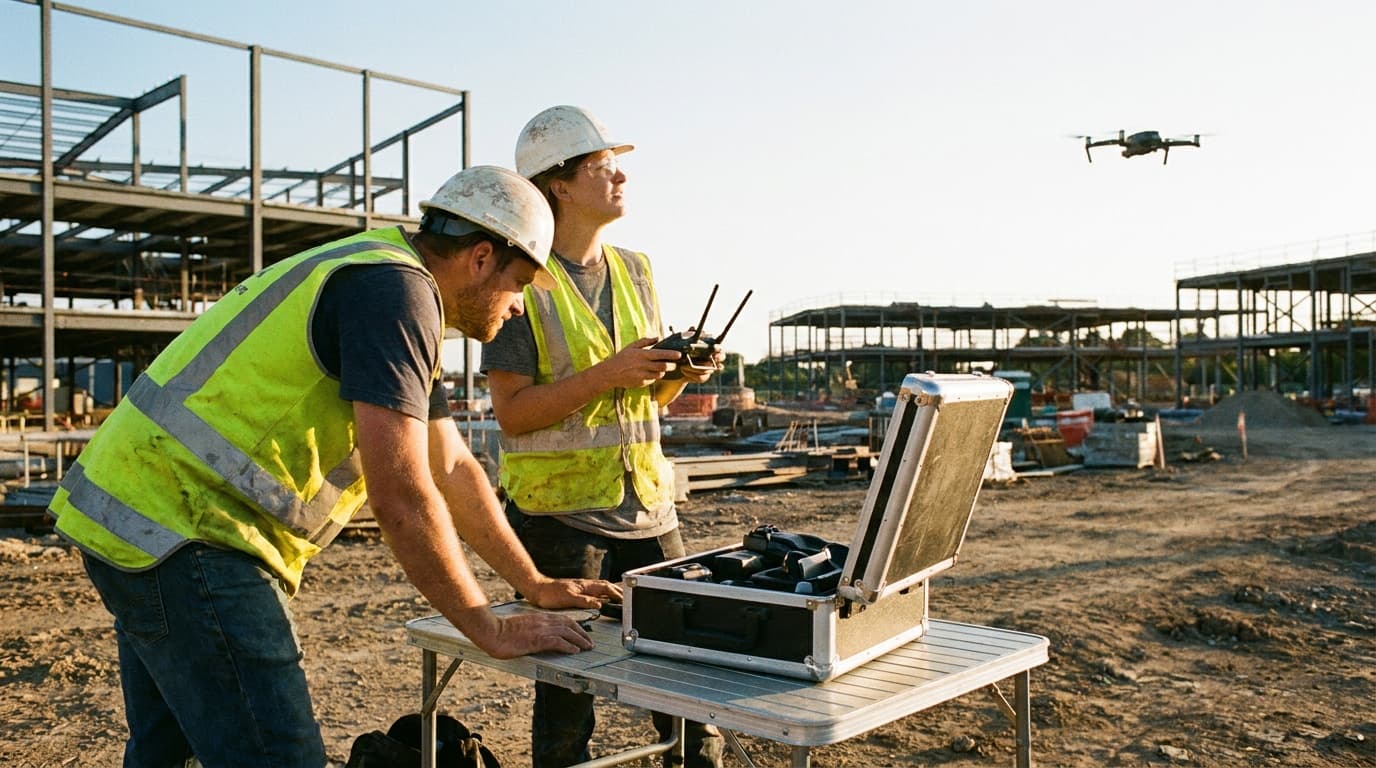
Drone crew reviewing a field plan before a commercial assignmentAssignment first · aircraft second

Before the first client

Build the sample without pretending it was paid work.

  1. 01

    Get permission

    Use a site, subject, and data set you are allowed to capture and publish.

  2. 02

    Write the brief

    Name the buyer, decision, deliverables, acceptance checks, and limits before flying.

  3. 03

    Run the whole workflow

    Plan, capture, process, check, package, and archive the sample as if a client were waiting.

  4. 04

    Label it honestly

    Call it a self-directed sample and state which outcomes were not independently verified.

What the buyer is checking

Make the work easy to inspect.

Fit

Does this sample solve the same kind of problem I have?

Coverage

Can I see that the required site, asset, or sequence is complete?

Quality

Were the files checked against a stated acceptance standard?

Handoff

Will I receive the right formats, rights, notes, and archive?

Rights and limits

Permission belongs in the portfolio record.

Passing Part 107 supports the flight. It does not settle site access, confidentiality, privacy, publication, professional practice, or client usage. Check those parts separately and put the portfolio permission in writing.

The U.S. Copyright Office says copyright in a photograph generally begins with the person who made it, subject to rules such as work made for hire and later transfers. Your client still needs clear usage terms, and you still need permission before displaying restricted work.

Educational information, not legal advice. Verify current FAA, state, local, contract, privacy, and professional requirements for the assignment.

Frequently asked questions

What should a commercial drone portfolio include?
Include the client problem, permission and operating context, capture method, finished deliverables, quality checks, handoff details, usage rights, and professional limits. One complete case study is more useful than a gallery of unrelated aerial images.
How can a new drone pilot build a portfolio without clients?
Create a small self-directed assignment on a site you have permission to use. Follow the real workflow, produce the real deliverable package, and label it clearly as a self-directed sample. Do not invent a client, payment, acceptance, or business result.
Can a drone pilot show past client work in a portfolio?
Only publish work when the contract or written permission allows it. Check confidentiality, privacy, property, platform, and professional restrictions, remove protected details, and state what the assignment actually included.
Does a drone portfolio need cinematic video?
Only when video is the service being sold. A construction, mapping, inspection, agriculture, public-safety, or environmental buyer usually needs evidence of complete capture, useful files, quality control, and a reliable handoff more than a showreel.

Ready to build the whole offer? Follow the drone business sequence