Wing turned a 40-minute medical drive into a five-minute flight on one specific route
The South London service moves pathology samples between Nelson Health Centre and St George's Hospital under a continuing UK approval, with thousands of patient samples delivered so far.
By Joel Kelly

Decision brief
The meaningful milestone is a repeated healthcare route with custody, handoff, scheduling, weather, and regulatory controls. A fast aircraft is only one component of a dependable medical-logistics service.
- Road comparison
- 40 min
- Flight
- 5 min
- Approval
- Feb. 2027
Wing-reported maximum journey
Wing-reported route time
Apian-reported UK CAA continuation
Route
The speed claim belongs to one defined medical lane.
Wing said on July 16 that its autonomous aircraft are carrying urgent blood samples and other medical supplies between Nelson Health Centre and St George's Hospital for South West London Pathology. The company describes a ground journey that can take up to 40 minutes becoming a reliable five-minute flight.
Wing says the service has moved samples for thousands of patients. Apian, the healthcare-logistics partner, says operations began in February 2026 and that the UK Civil Aviation Authority approved continued service through February 2027. Those statements describe this route and its UK approval; they do not create a general permission for medical BVLOS operations elsewhere.
Operations
Reliability lives in the handoffs before and after the flight.
The operational achievement is repetition. A useful medical route needs secure packaging, chain of custody, launch and receiving procedures, staff training, schedule integration, weather criteria, contingency transport, maintenance, traceable records, and a way to protect the clinical workflow when the aircraft cannot fly.
The economics also depend on the lane, not only the vehicle. A route is strongest when the payload is time-sensitive, light, frequent, predictable, and expensive to delay, while the road trip is slow or unreliable. A five-minute flight is less important if handoff, lab intake, or backup transport adds the delay back elsewhere in the process.
Lane test
A medical-delivery route has to work when the drone does not.
The aircraft earns its place only when the complete logistics system improves a clinical outcome without making the fallback brittle.
- 01
Define the specimen or supply
Record urgency, packaging, temperature, custody, payload mass, and acceptance criteria.
- 02
Measure the whole journey
Time collection, packing, launch, flight, receipt, lab intake, and any waiting at both ends.
- 03
Design the no-fly fallback
Weather, maintenance, airspace, or staffing cannot be allowed to strand a clinical workflow.
- 04
Prove the regulatory lane
Match the operator, aircraft, route, airspace, sites, and approval conditions before scaling volume.
U.S. context
A UK approval is evidence of a model, not permission to copy it in the United States.
For U.S. operators, the London program is a case study rather than an authorization template. Medical delivery in the United States can involve Part 135 certification, BVLOS relief, airworthiness or operational approvals, local site control, hazardous-material rules, privacy and healthcare requirements, and a dispatch-quality operations system. The proposed Part 108 framework may change parts of that stack, but it is not currently an operating rule.
Source file
Verify the reporting
Continue on Drone Authority
Put the report to work
Continue this beat
More commercial reporting
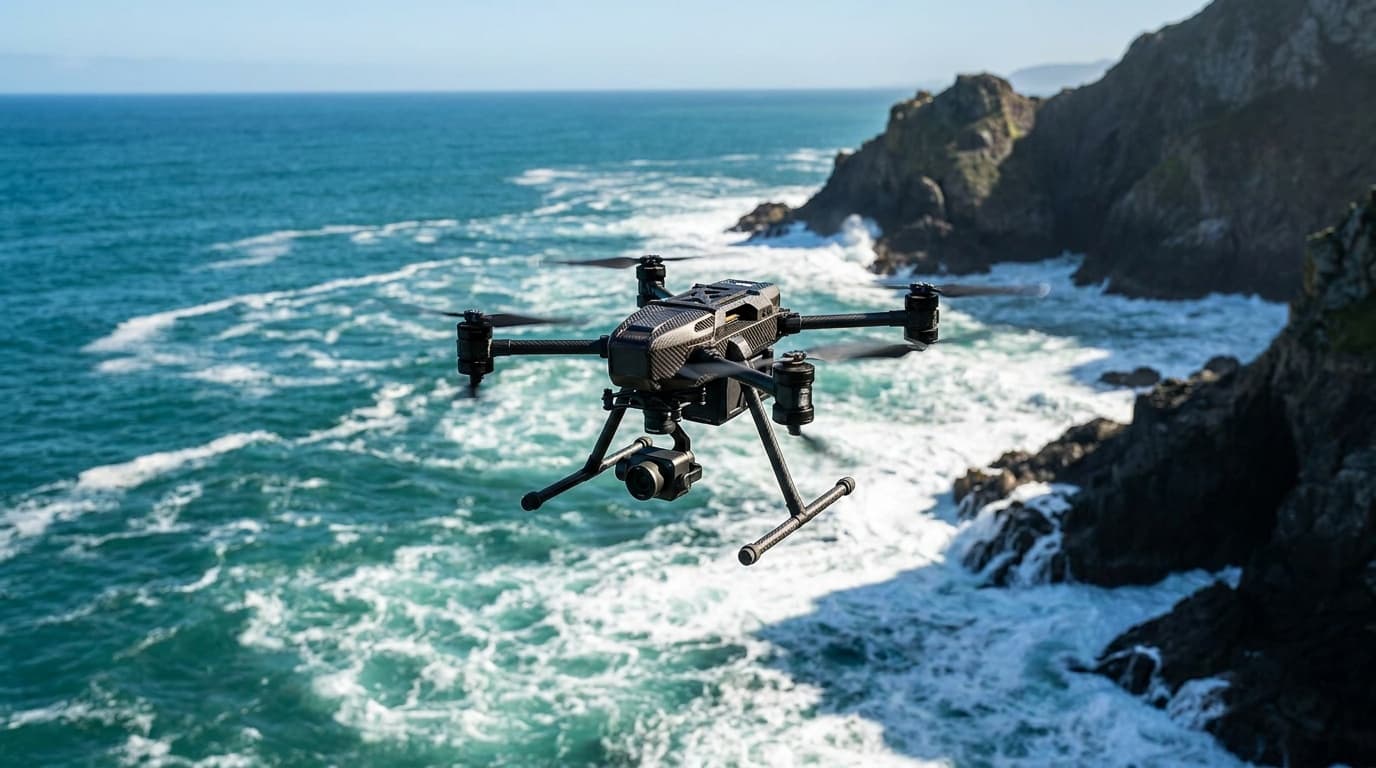
Industry · September 9, 2026
Elroy Air flew the first uncrewed cargo flights in the FAA's eVTOL pilot program from a working Louisiana heliport
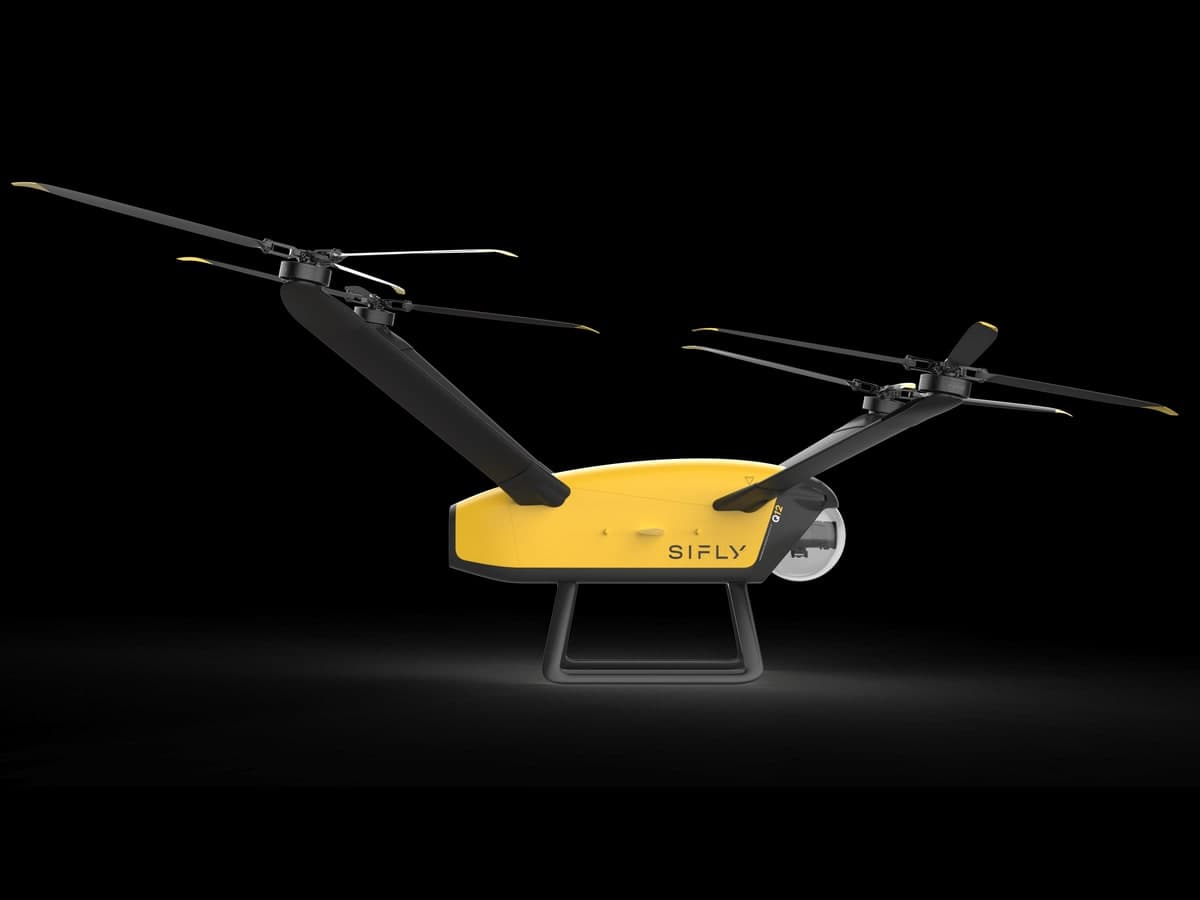
Industry · August 30, 2026
SiFly raises $20 million to start Q12 production
Industry · August 29, 2026