Michigan's auto-parts drone project says it is live. The operating details are still missing.
Jack Demmer Automotive Group, blueflite, and Airspace Link say test flights are complete and a 12-mile parts-delivery program is entering commercial operation, but the announcement does not identify the active routes, flight volume, schedule, or air-carrier operator.
By Joel Kelly
More onDrone delivery

Decision brief
The state funding and live-operation claim move this project beyond a concept announcement. They do not prove that every dealership or address inside a 12-mile radius is active. The useful next evidence is a named operator and authority, completed-flight count, actual routes, delivery times, payloads, exceptions, and cost compared with the road trip being replaced.
- State share
- $739,872
- Advertised radius
- 12 mi
- Routes disclosed
- 0
Plus $117,500 from Jack Demmer Ford
Not a map of confirmed active routes
Flight volume and schedule are also unpublished
What changed
The partners have advanced from planned testing to a live-operation claim.
Jack Demmer Automotive Group, blueflite, and Airspace Link announced on August 25 that their metro Detroit automotive-parts delivery project had completed pilot test flights and was moving into what the companies call live commercial operations. The release describes high-demand parts moving within a 12-mile radius of Jack Demmer Ford dealerships and identifies the Ann Arbor to Detroit corridor as the operating environment.
Michigan's public contract record gives the project a firmer financial outline. Contract 2025-0745 provides $739,872 from state aeronautics funds and $117,500 from Jack Demmer Ford, for a total of $857,372 through October 31, 2026. The contract describes a deployment intended to test the feasibility, efficiency, and scalability of urban automotive-parts delivery by drone.
What remains unproven
The release describes the envelope, not the service running inside it.
The phrase live commercial operations is the important change, but the announcement does not say how much service is live. It gives no completed-flight count, active origin and destination pairs, service hours, payload range, delivery-time comparison, customer-vehicle count, or exception rate. A 12-mile radius is the advertised project envelope, not evidence that every route inside that circle is currently operating.
The operating authority also needs clarification. Michigan's original 2025 grant announcement named DroneUp alongside blueflite and Airspace Link. The August 25 release omits DroneUp and does not identify the Part 135 carrier, waiver holder, or other FAA authority used for the flights. The FAA's current package-delivery roster lists DroneUp as an approved Part 135 operator and does not list blueflite as an air carrier. That does not establish a compliance problem or prevent an approved operator from using a blueflite aircraft. It means the release does not tell readers who holds the operating authority for this network.
Next evidence
What a useful operating update should disclose
The project now needs a small operational scorecard that separates a funded deployment from a repeatable logistics service.
- 01
Name the authority
Identify the operator, aircraft, certificate, waiver or exemption, approved operating area, and applicable limitations.
- 02
Map active routes
Publish the facilities currently connected, route lengths, service hours, payload limits, and launch date for each lane.
- 03
Count completed work
Report attempted and completed flights, cancellations, weather availability, delivery time, and exception recovery.
- 04
Compare the road trip
Show whether the drone reduced transfer time, vehicle miles, repair delay, labor, or cost for the same part movement.
The commercial test
A parts route is valuable only when it beats the road transfer it replaces.
Airspace Link says its AirHub Drone Operations Management System handles airspace coordination, operational oversight, and safety compliance, while blueflite supplies the U.S.-designed and manufactured tiltrotor aircraft. Those are roles in the technical stack, not substitutes for publishing the operator, route authority, and performance record.
The project could become a useful test of a practical delivery niche. Dealership parts are time-sensitive, originate from known facilities, and can be compared against a real road-transfer cost. The strongest proof will be repeatable completed deliveries and measured repair-time savings, not the size of the announced radius.
Source file
Verify the reporting
Continue on Drone Authority
Put the report to work
Continue this beat
More commercial reporting
Industry · July 31, 2026
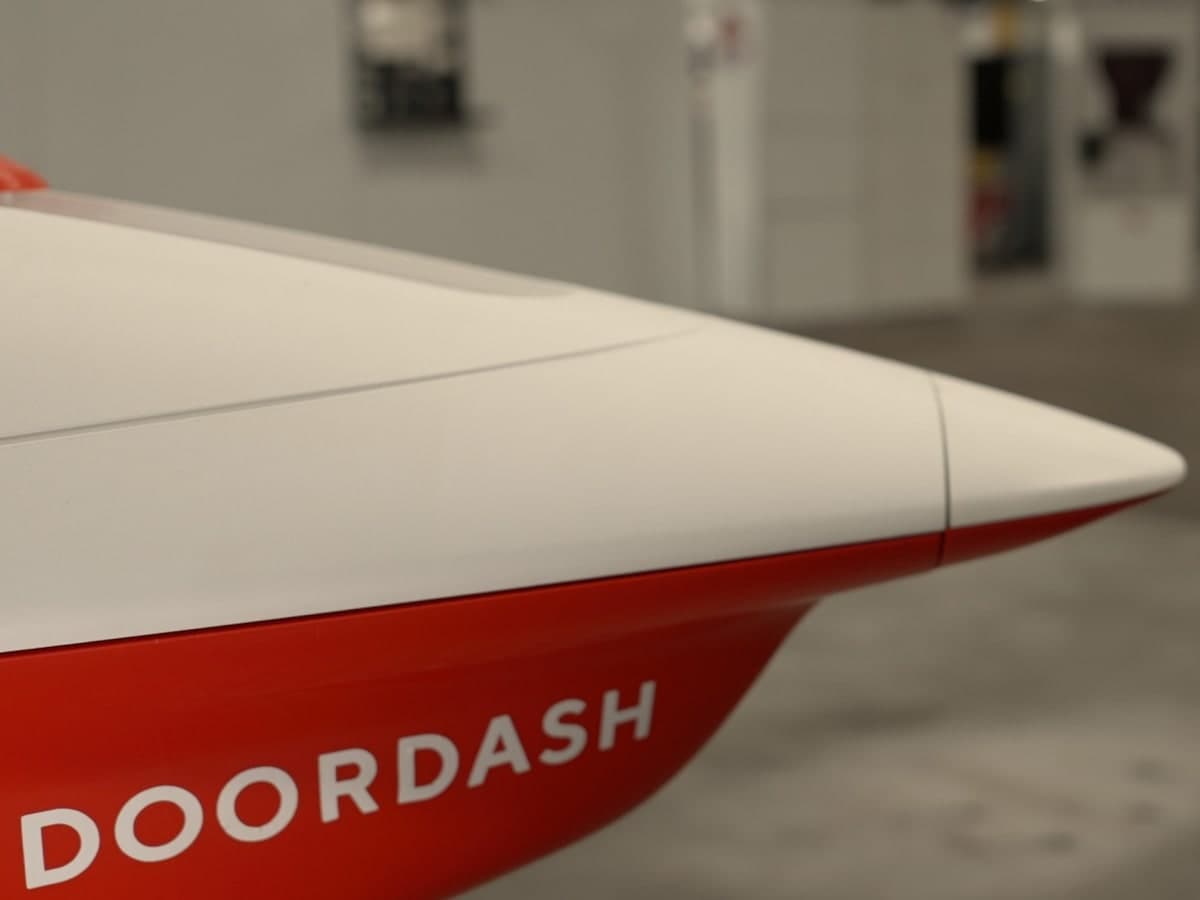
DoorDash Air launches with Part 135 certification and an aircraft designed in-house
Rule watch · October 6, 2026
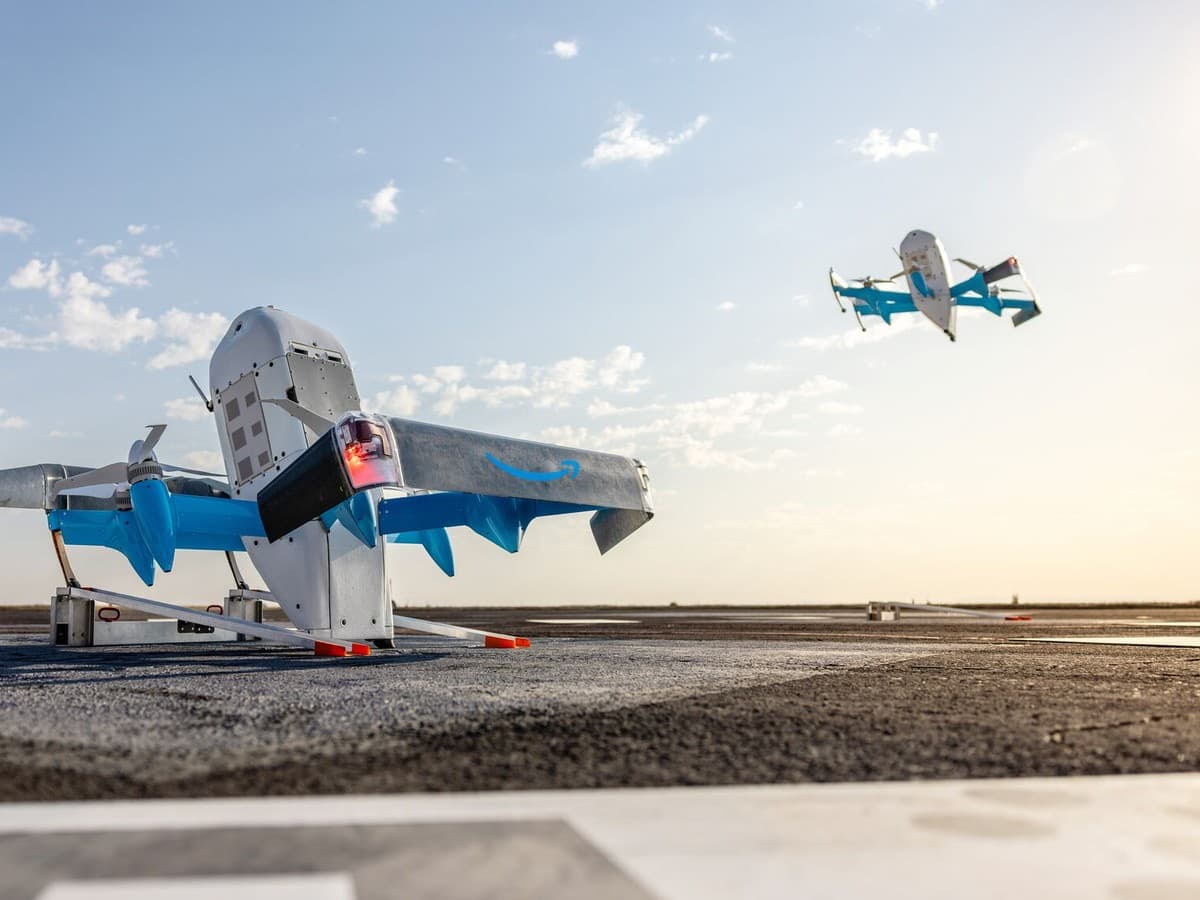
Connecticut extends comments on Amazon's North Haven drone delivery plan to October 15. The FAA asked the state to review up to 1,000 flights a day.
Industry · October 5, 2026