Fire service group publishes a 21-point guide for drone as first responder programs
The CPSE Center for Innovation released a 32-page guide for fire departments starting DFR programs. Its July survey found 38% of responding accredited fire agencies already run or take part in one, most of them with police.
By Joel Kelly
Decision brief
If you fly for a fire department, or want to, this is a free planning checklist written by fire agencies. It covers partnerships, funding, dock placement, CAD integration, staffing, training, data, and privacy. Part 107 is the baseline: in the survey behind it, 94% of DFR operators held the certificate.
- Guide
- 32 pages, 21 considerations
- Fire agencies with DFR
- 38%
- Operators with Part 107
- 94%
CPSE Center for Innovation, October 2026
Of accredited agencies responding to CPSE's July 2026 survey
Same survey
The guide
A 21-point checklist written with fire agencies.
The CPSE Center for Innovation released a guide on October 21 for fire and emergency service agencies planning drone as first responder programs. The 32-page guide is dated October 2026. It lists 21 considerations in four groups: program need and design, technology and operations, data, and engagement and trust. FireRescue1 reports that a task force from seven accredited fire agencies helped write it.
The definition
Docked, dispatched, and on scene first.
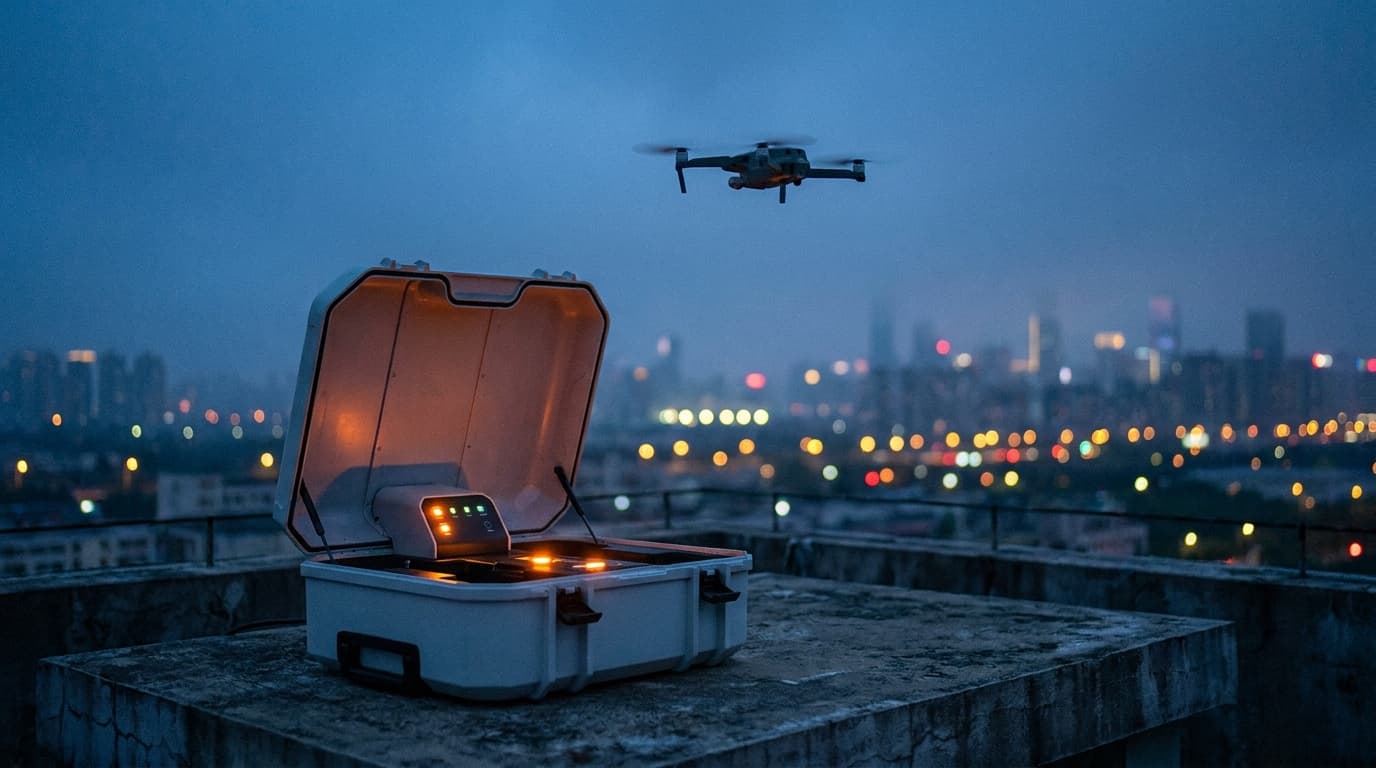
In the guide, a true DFR program keeps drones on fixed docks. Dispatch software or a remote pilot launches them, and they reach the scene before or with ground units. Drones carried in a truck or flown by hand at a scene count as tools, not first responders. It calls DFR a force multiplier and says it is not meant to replace firefighters.
The survey
Most fire DFR programs run with police.
The numbers come from the group's July 2026 survey of accredited fire agencies. Of the agencies that responded, 38% operate or take part in a DFR program, and 72% of those programs work with another agency, such as police. Nearly half report adding, reducing, or moving resources based on drone footage. The survey found 94% of operators hold an FAA Part 107 certificate. And 40% of programs fly automatic routes set by dispatch data.
The checklist
Funding, contracts, data, and trust.
The checklist starts with readiness and partners. It moves through funding, dock sites, vendors, dispatch links, staffing, and training. It ends with data rules, performance measures, privacy, and public outreach. On funding, it warns against relying on one grant or budget line. It says vendor contracts often run 7 to 10 years, so they should cover hardware refresh, who owns the data, and how to exit.
Source file
Verify the reporting
- CPSE Center for Innovation: Guide for the Effective and Ethical Implementation of Drone as First Responder Programs (October 2026)
- CPSE Center for Innovation: Strategic Scan on Drone as First Responder Programs (July 2026)
- FireRescue1: CPSE releases implementation guide for drone as first responder programs (October 21, 2026)
Continue on Drone Authority
Put the report to work
Continue this beat
More public safety reporting
Safety · October 19, 2026
San Francisco police commissioners approve drone rules that ban general surveillance
Safety · August 27, 2026
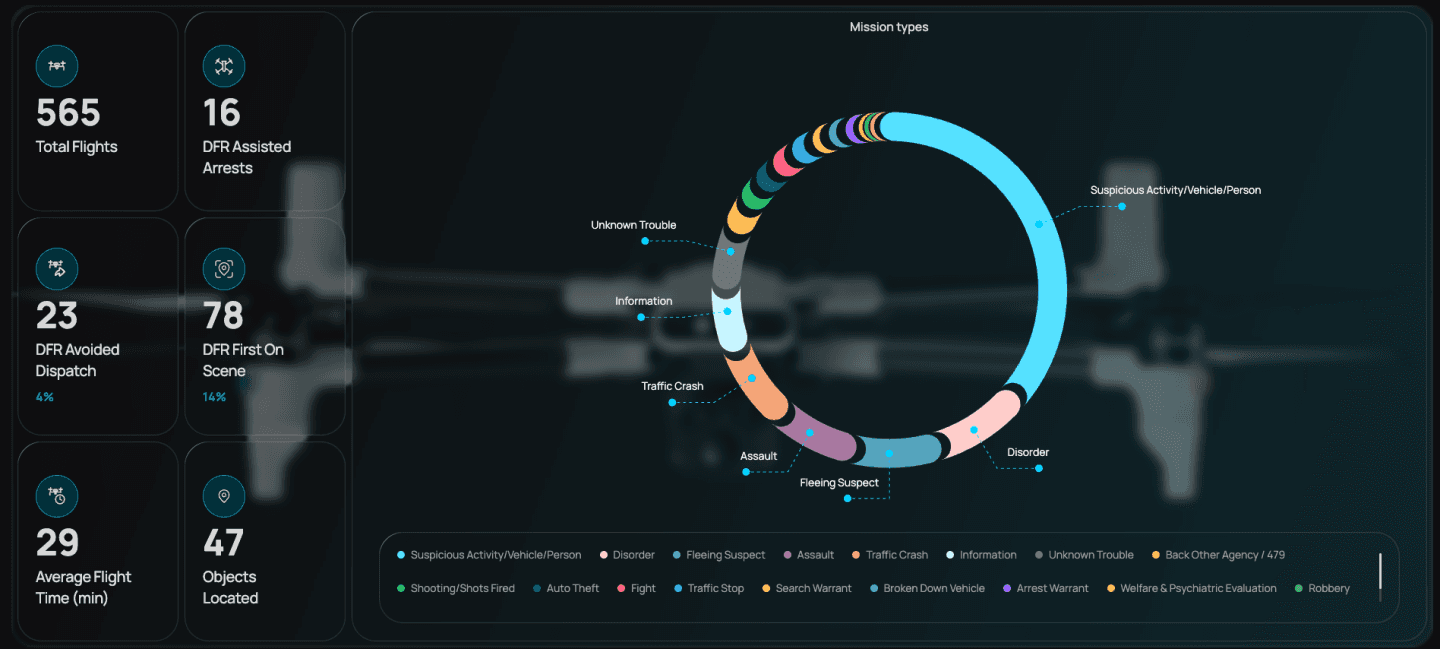
Chattanooga launches a two-dock police drone-response program with a public dashboard

Safety · October 8, 2026