Antigravity adds a 4G backup link to the A1. The Cellular Module is due by the end of September, with no price and no country list.
Announced at IFA Berlin on September 4, the module gives the A1's OmniLink 360 video link a cellular fallback, mounts on the drone or the Vision Goggles, carries an eSIM, and is due by the end of September 2026. The release names no price, no data-plan terms, and no markets.
By Joel Kelly
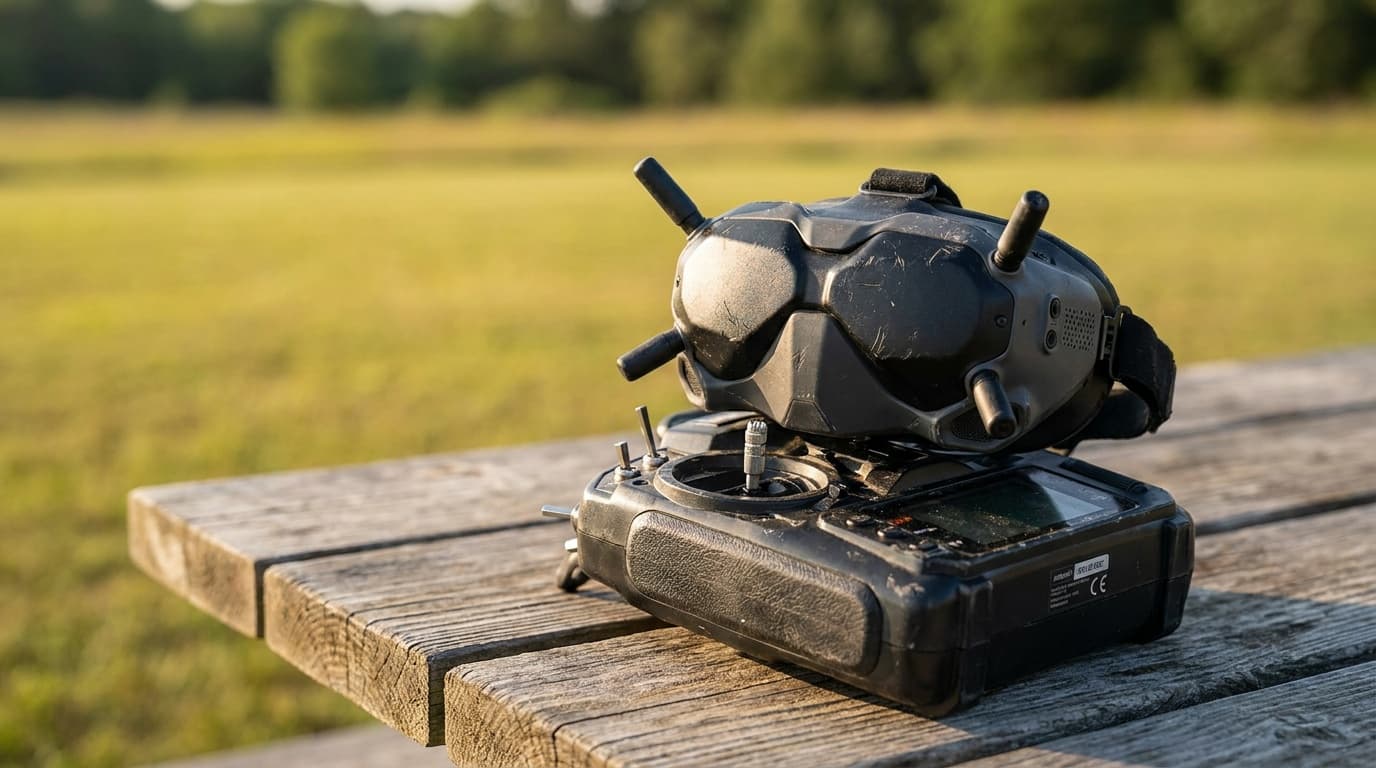
Decision brief
A cellular fallback helps where OmniLink drops behind buildings or trees, but it changes the flight's legal shape: a 4G link can carry video well past where you can see the aircraft, and Part 107 still requires visual line of sight without a waiver. Treat it as link insurance inside line of sight, not as permission to fly farther. Wait for a U.S. price, the data-plan terms, the module's weight on a 249-gram aircraft, and its own FCC grant before ordering.
- Announced
- Sept. 4, 2026
- Availability
- End of Sept. 2026
- Price
- Not stated
IFA Berlin, company release
No markets named
No data-plan terms, no weight
What was announced
A 4G fallback for OmniLink, on the drone or the goggles, with an eSIM.
Antigravity, the aerial brand incubated by Insta360, used IFA Berlin on September 4 to announce the Antigravity Cellular Module for its A1 360-degree camera drone. According to the company's release, distributed through press wires on behalf of Yingling Innovations Pte Ltd, the module adds a 4G connection alongside the A1's OmniLink 360 transmission system, providing an additional link when the primary connection is affected by interference or obstacles. It mounts directly on the drone and on the Vision Goggles, includes an integrated eSIM for connectivity while traveling, and is expected to be available by the end of September 2026. The release gives no price, no data-plan structure, no weight, and no list of countries.
What was not
Price, weight, markets, and the FCC question a foreign-made transmitter now faces.
The absences are the story for a U.S. buyer. The A1 launched at 249 grams, which keeps a purely recreational flight under the registration threshold; the release does not say what the module weighs or whether mounting it on the aircraft crosses 250 grams, which would change registration for recreational flyers and adds mass to a drone whose flight time is already modest. A cellular module is a radio transmitter and needs its own FCC equipment authorization to be sold here. Since December 22, 2025 the Covered List has blocked new authorizations for foreign-produced UAS and UAS critical components, a category that includes data transmission devices. Antigravity's parent designs and builds in China. Unless the module is produced elsewhere or already authorized, that entry is the likeliest reason the release names no markets, and it is the first thing to check before assuming a U.S. launch.
How to use it
Redundancy inside line of sight, not a longer leash.
Operationally, a second link is welcome. OmniLink 360 is a line-of-sight radio, and cellular fills the gaps behind terrain and structures where the video feed breaks up. What it does not do is change the rule you fly under. Part 107.31 requires the remote pilot or a visual observer to see the aircraft unaided throughout the flight, and recreational flyers carry the same requirement under the exception for limited recreational operations. A feed that survives past the horizon is not a waiver. Used inside line of sight it is redundancy; used as a reason to push farther it is the violation the FAA's deterrence program was built to find.
What to watch: a U.S. product page with a price and an FCC ID, the module's mass, whether the eSIM ships with a bundled plan or bills separately, and whether the goggles-mounted configuration alone, which keeps the aircraft's weight unchanged, is offered on its own. The A1 remains one of the few new camera drones that arrived in the U.S. with authorization after the Covered List action, which is why its accessories get scrutiny the drone itself has already passed.
Source file
Verify the reporting
Continue on Drone Authority
Put the report to work
Continue this beat
More new releases reporting
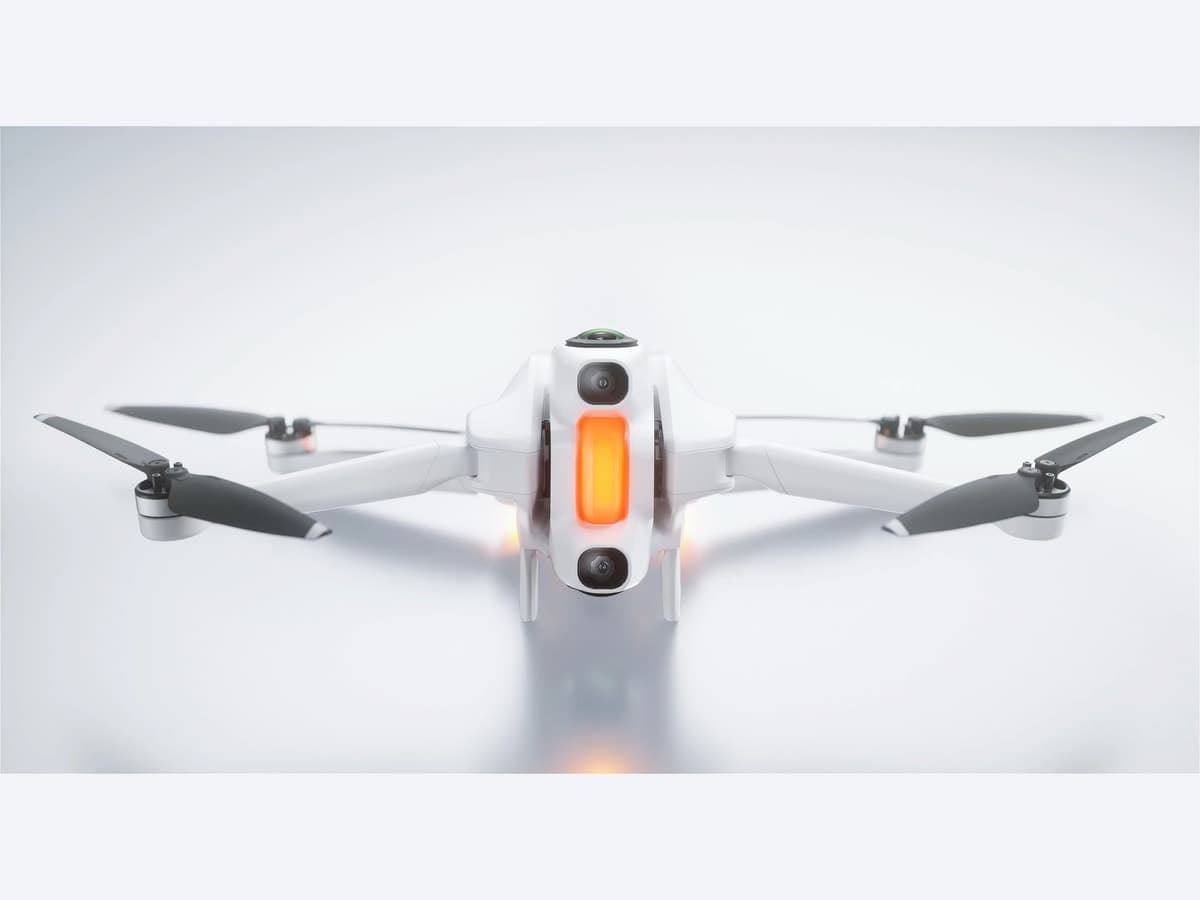
Product watch · July 11, 2026
What the Antigravity A1's 360 capture changes about shooting drone video
Product watch · September 2, 2026
The Osmo 360 II cleared the FCC one day before the Covered List action. DJI launched it everywhere but here.
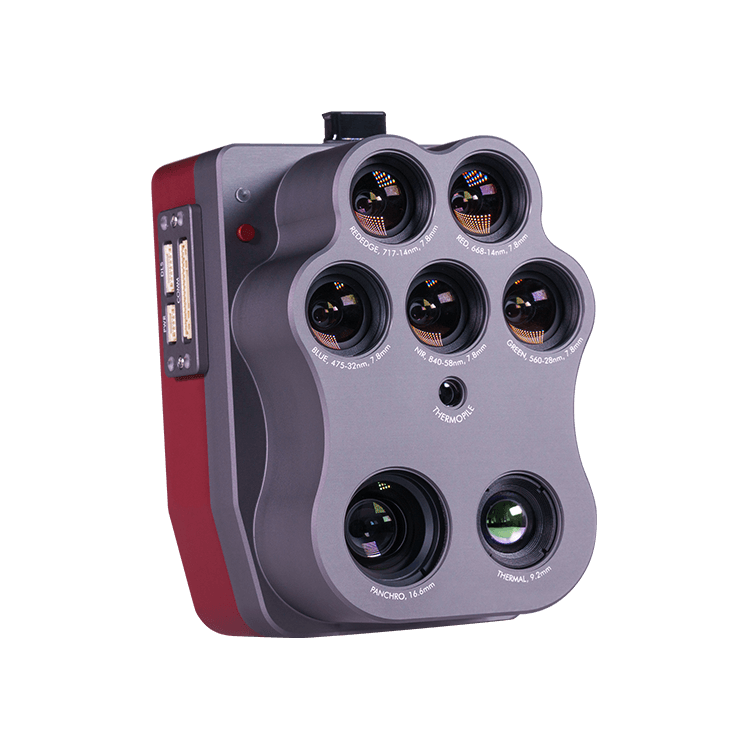
Product watch · September 5, 2026