
Portable application aircraft
The smaller folded package and battery lower the handling burden relative to T50, but the aircraft still needs compatible tanks, pumps, atomizers or spreader, controller, software, and inspection discipline.
Aircraft dossier / Manufacturer claims separated from operating analysis
Compact agricultural application system
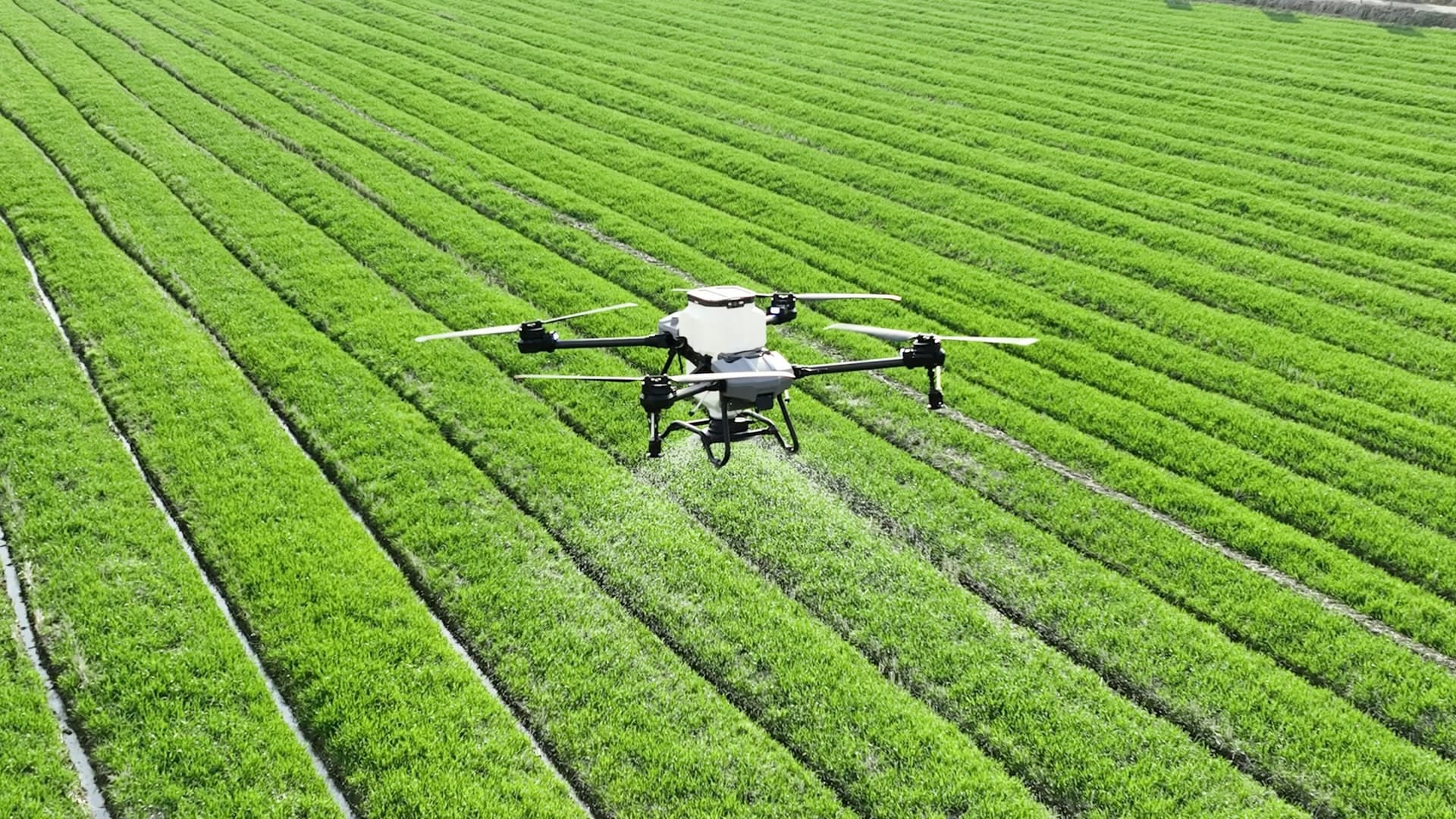
The T25 is the more portable T50-era application platform. Its 20 kg spray and 25 kg spread payloads lower the transport and tender burden, but they do not simplify away Part 137, large-aircraft approvals, pesticide credentials, calibration, support, or field records.
Product image: Official DJI Agriculture product image
Decision brief
Best fit: Dealer-supported operators serving smaller or fragmented fields, orchards, research plots, and programs that value a more manageable transport and refill system.
Published configuration
These are manufacturer-published specifications, not independent field measurements. The context matters as much as the number.
DJI sea-level maximum. Published payload is reduced as altitude and conditions require.
Published internal load and hopper volume for compatible granular material.
Two-sprinkler maximum. DJI lists up to 24 L/min with four sprinklers.
Published full-charge time for the DB800 battery under qualifying conditions and power infrastructure.
Published range at 3 m above crops. Uniformity and operating conditions determine the usable setting.
Published sea-level maximums, both above the normal Part 107 aircraft weight limit.
Operating system
Dealer or program purchase. The useful quote includes the aircraft, spray or spread kit, batteries, charger or generator, cooling, controller, training, parts, transport, and approval support.
The smaller folded package and battery lower the handling burden relative to T50, but the aircraft still needs compatible tanks, pumps, atomizers or spreader, controller, software, and inspection discipline.
Smaller payloads can suit fragmented fields, but more frequent refill cycles may erase the advantage if water, material, charging, cooling, access, and crew placement are poorly designed.
A smaller machine is not a consumer purchase. Seasonal uptime still depends on nozzles, pumps, batteries, seals, calibration, firmware, training, parts, and repair response.
Every route needs a field identity, target rate, material, label, buffer, wind envelope, calibration, pilot, aircraft, and record that a buyer or regulator can reconstruct.
Operating fit
The T25 can be easier to move, stage, and refill where access, field size, or crew capacity makes a T50-class tender cycle excessive.
Radar, vision, terrain follow, and optional relay support can help route planning, but wires, branches, texture, lighting, speed, and emergency landing space remain hard constraints.
The spreader supports compatible 0.5-5 mm material. Distribution still has to be verified for the actual granule, target rate, spinner setting, moisture, and route.
United States
This is an educational overview. Confirm the current aircraft, operation, exemptions, certificates, state credentials, labels, airspace, and local conditions before operating.
Covered dispensing operations require the applicable agricultural aircraft operator pathway. A Part 107 card alone does not authorize pesticide, seed, fertilizer, or similar application.
The published loaded weights exceed 55 lb. Confirm the exact exemption, registration, operating rules, aircraft, and conditions that cover the planned configuration.
State aerial applicator credentials, pesticide categories, product labels, buffers, records, drift controls, and insurance remain separate from FAA certification.
Airspace, visual line of sight, people, roads, weather, crew roles, and every certificate or exemption condition still apply to the route.
Field cycle
Use field size, access, crop, route, target rate, material, crew, water, charging, obstacles, and approval limits to decide whether portability outweighs additional refill cycles.
Set and verify the selected tank or hopper, nozzle or spinner, droplet or granule target, route speed, height, swath, and flow for the actual material and conditions.
Inspect between loads, segregate chemical and aircraft tasks, control battery temperature, watch weather and obstacles, and stop when the approved envelope changes.
Close the application record, clean the system, inspect pumps, atomizers, seals and aircraft, log faults, manage batteries, and resolve discrepancies before the next field.
Before requesting a quote
Sources
DJI Agriculture
Product positioning, portability, application systems, and official procurement.
DJI Agriculture
Weights, payloads, tank volumes, pumps, swath, batteries, charging, and caveats.
DJI Agriculture
Droplet settings, operating speeds, mapping, relay, and application-system behavior.
Federal Aviation Administration
Part 137 definitions and the current UAS agricultural certification process.