FCC proposal could stop future U.S. sales of some foreign thermal, LiDAR, spray, docked, and swarm drones
The proposal would not ground an aircraft you already own. It would restrict future imports, advertising, distribution, sales, and leases of previously authorized foreign equipment in seven capability categories.
By Joel Kelly
What changed: Updated September 7, 2026: the comment window closed at 11:59 p.m. Eastern on September 2 with 3,847 filings on the record, per the FCC docket page. An earlier update put the figure at least 2,250, counted through a rate-limited API walk. Status is now Concluded and the homepage prompt to file is removed; the reply-comment stage is what remains open. An August 28 update had recorded the FCC denying three deadline-extension requests.

Decision brief
Already-purchased aircraft would stay authorized to use and operate. The risk is replacement and market access: if adopted, the rule could close U.S. sales and imports of some foreign equipment in seven capability categories after a proposed 180-day wind-down. The FCC denied three extension requests on August 28, and comments in PS Docket 26-189 closed on September 2 with 3,847 filings.
- Comments closed
- Sept 2
- Categories
- 7
- Already owned
- Still authorized
3,847 filings. Extension requests denied August 28
Capability-based, not brand-based
Continued use and operation would remain allowed
What happened
The proposal targets the sales channel, not aircraft already in your hands.
The proposal is real. The claim that it would retroactively ground or brick drones people already own is not. The FCC notice says continued use and operation of already-purchased equipment would stay authorized. What the agency is considering is a ban on continued importation and marketing of previously authorized foreign-produced drones and critical components on the Covered List that it classifies as military-grade. In FCC rules, marketing includes advertising, distribution, sale, and lease.
The notice defines military-grade through seven capability categories rather than by brand: aircraft weighing 55 pounds or more at takeoff, aircraft capable of dispensing economic poison under FAA rules, anything integrating thermal imaging sensors, anything integrating LiDAR, docking stations, aircraft specially designed to incorporate a defense article, and swarming systems. The swarm definition explicitly names multi-UAS light shows. Marketing in FCC usage covers advertising, distribution, sale, and lease, so a final rule would close the retail channel rather than only the import channel.
The FCC's Public Safety and Homeland Security Bureau and Office of Engineering and Technology released Public Notice DA 26-758 on July 21, opening PS Docket 26-189. Federal Register publication on August 3 started the 30-day comment clock. On August 28, the FCC denied extension requests from American Fuel & Petrochemical Manufacturers, DRONERESPONDERS, and Commercial Drone Alliance, citing the need to move quickly on the national-security questions. Comments remain due on or before September 2, 2026. If the proposal becomes final, the notice proposes a 180-day wind-down after publication of the final action.
The scope fight
The definition reaches ordinary civilian equipment, and the FCC asked for evidence.
The scope is the argument. A thermal sensor is standard equipment on the aircraft a fire department flies at night, and a docking station is the hardware layer under most Drone as First Responder programs. The FCC's notice tentatively concludes the action 'would not have substantial economic and supply chain impacts,' reasoning that recreational pilots are unlikely to fly military-grade hardware and that domestic manufacturing is stronger at the high end. It then asks commenters to submit contrary data, specifically on device quantities already inside the country, models en route, and equipment under executed distribution agreements.
The exemptions are real and worth reading before assuming an aircraft is caught. The prohibition would not reach non-military-grade equipment, domestically produced equipment, Blue UAS Cleared List hardware, Buy American domestic end products, equipment granted a Conditional Approval by the Department of War or DHS, importation or marketing for federal government use, or imports for commercial testing and product development. The FCC proposes a 180-day wind-down after Federal Register publication of any final action.
Filing guide
How to comment in PS Docket 26-189 before September 2
The FCC asked for economic and supply-chain data it does not have. A filing that supplies numbers is worth more than one that supplies opinion.
- 01
Check whether you are in scope
Match your aircraft against the seven categories and the exemption list, including Blue UAS Cleared List and Conditional Approval status.
- 02
Open the docket
Use the FCC's Electronic Comment Filing System and enter proceeding number 26-189. Express Filing is the short path.
- 03
Supply specifics
Fleet counts, mission types, replacement costs, units already in the country, and shipments en route are exactly what the notice requested.
- 04
Write it yourself
Identical form letters carry less weight than an operator describing one real program. Leave out anything confidential, because filings are public.
What to do
Two proceedings are running at once, and only one of them closes this month.
This is a different proceeding from the one Drone Authority covered on July 21. That notice, DA-26-742 in PS Docket 26-184, targets specified equipment tied to nine named company groups. This one is capability-based and reaches equipment from any foreign producer on the Covered List. A drone can fall outside one proceeding and inside the other. DJI, which has its own Ninth Circuit challenge pending against the underlying Covered List action, publicly urged its U.S. customers to file in 26-189 on August 7.
For pilots, the practical takeaway is that the comment record is the only input most operators get, and it closed at 11:59 p.m. Eastern on September 2. If a thermal aircraft, a dock, or a spray platform is part of how you work, the useful filing is specific: your fleet count, what you use the equipment for, what a replacement costs, and what happens to your operation when the channel closes. File in PS Docket 26-189 through the FCC's ECFS system, write in your own words rather than copying a template, and remember that everything filed becomes public record.
Practical read
Reading this proposal accurately
Strong fit
- Operators whose work depends on thermal, LiDAR, dock, or spray hardware sourced from a foreign producer
- Public-safety programs budgeting fleet replacement past a possible 180-day wind-down
- Light-show operators, whose aircraft are named inside the swarm category
Account for
- Reading this as a grounding order; the notice does not reach aircraft already purchased
- Confusing PS Docket 26-189 with the nine-company proceeding in PS Docket 26-184
- Assuming a familiar consumer drone is in scope without checking the seven categories and the exemptions
Source file
Verify the reporting
- FCC Order DA 26-892: extension requests denied and September 2 deadline retained
- Federal Register: FCC seeks comment on prohibiting importation and marketing of certain foreign-produced military-grade UAS, 91 FR 48870 (August 3, 2026)
- FCC Public Notice DA 26-758, PS Docket 26-189 (released July 21, 2026)
- FCC docket 26-189: file a public comment (ECFS)
- The Drone Girl: the swarm category names multi-UAS light shows (July 22, 2026)
- DroneXL: DJI urges U.S. operators to file before the September 2 deadline (August 8, 2026)
Continue on Drone Authority
Put the report to work
Continue this beat
More market reporting
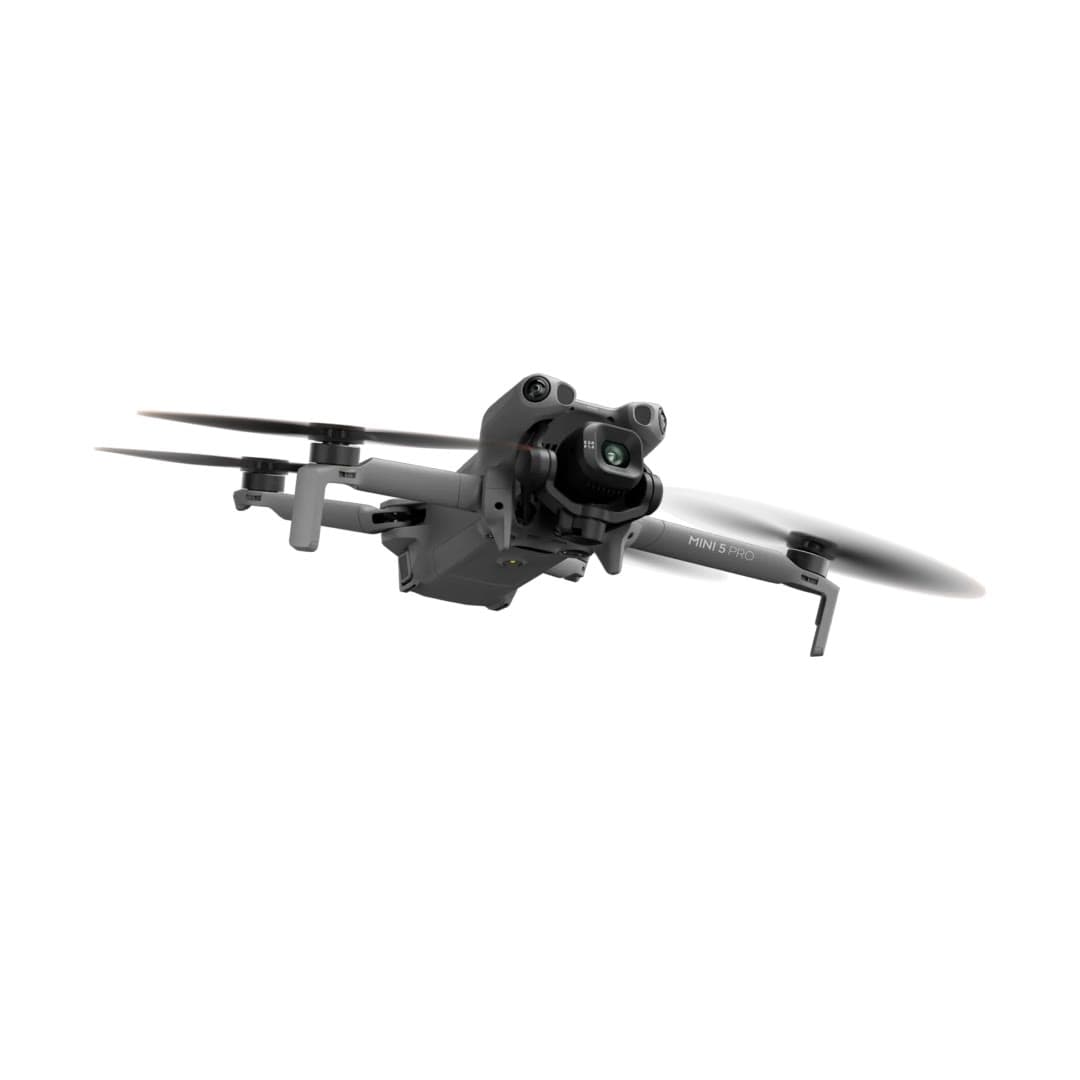
Rule watch · August 14, 2026
The 25% drone import tariff is in effect. Thermal aircraft and docks face 100%.
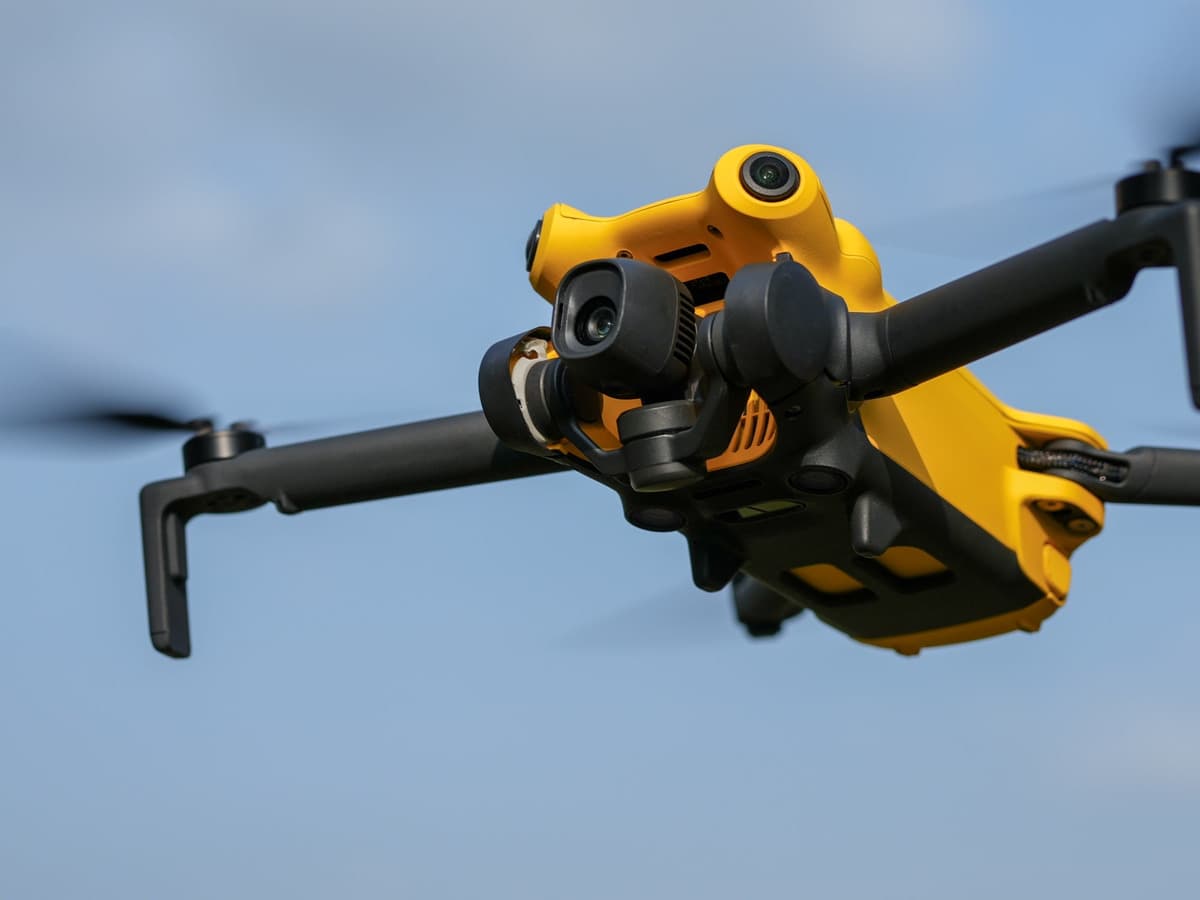
Rule watch · July 21, 2026
SkyRover, Specta, Xtra and XAG could face a U.S. import and sales ban
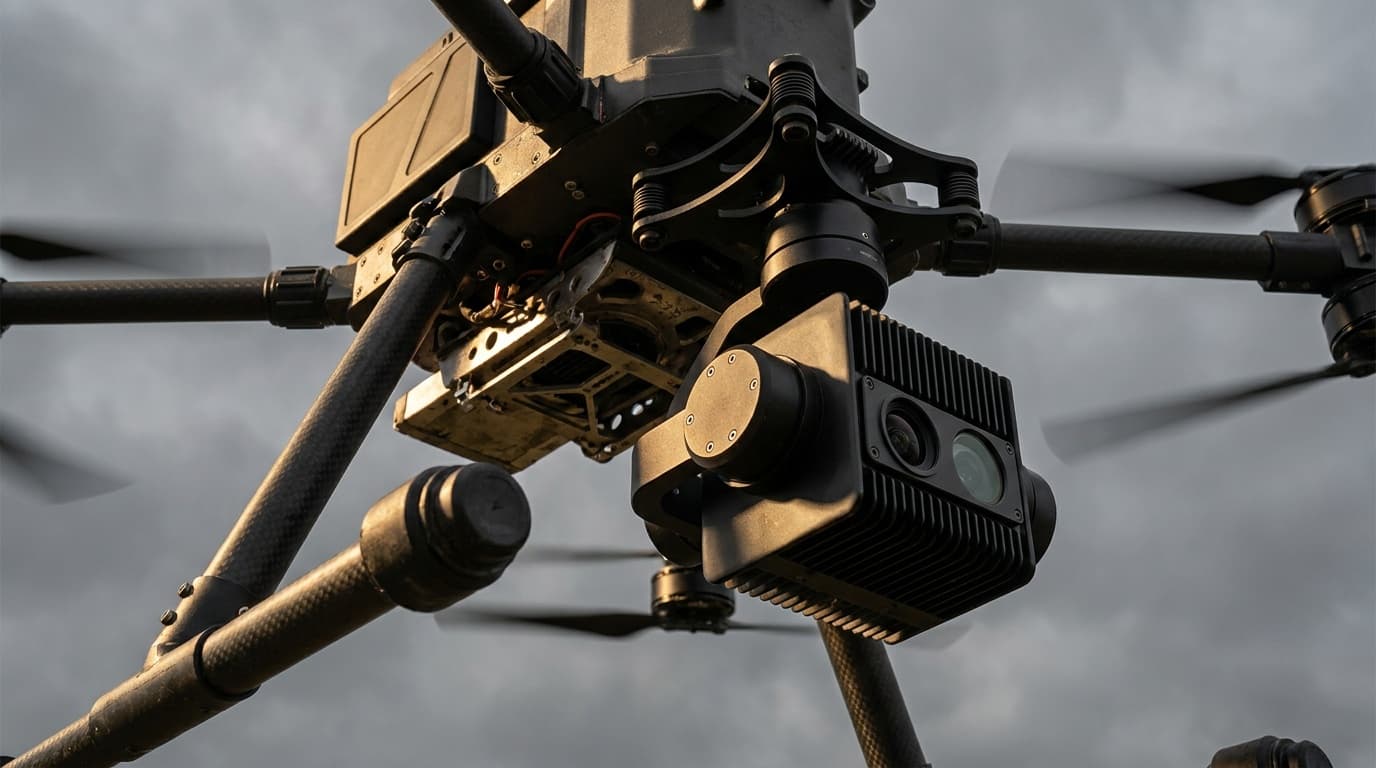
Gear market · September 18, 2026