The 25% drone import tariff is in effect. Thermal aircraft and docks face 100%.
A signed White House proclamation adds a 25% import duty to nonthermal drones at or below 25 kg, while thermal aircraft, heavier systems, docking stations, and specified components move to 100%.
By Joel Kelly
What changed: September 3, 2026: the tariff is in effect, applying to covered goods entered for consumption from 12:01 a.m. Eastern today. An earlier update added the exact allied-nation caps from the proclamation text: 15 percent for Japan, South Korea, Taiwan, Switzerland, Liechtenstein, and EU members, and 10 percent for the United Kingdom.
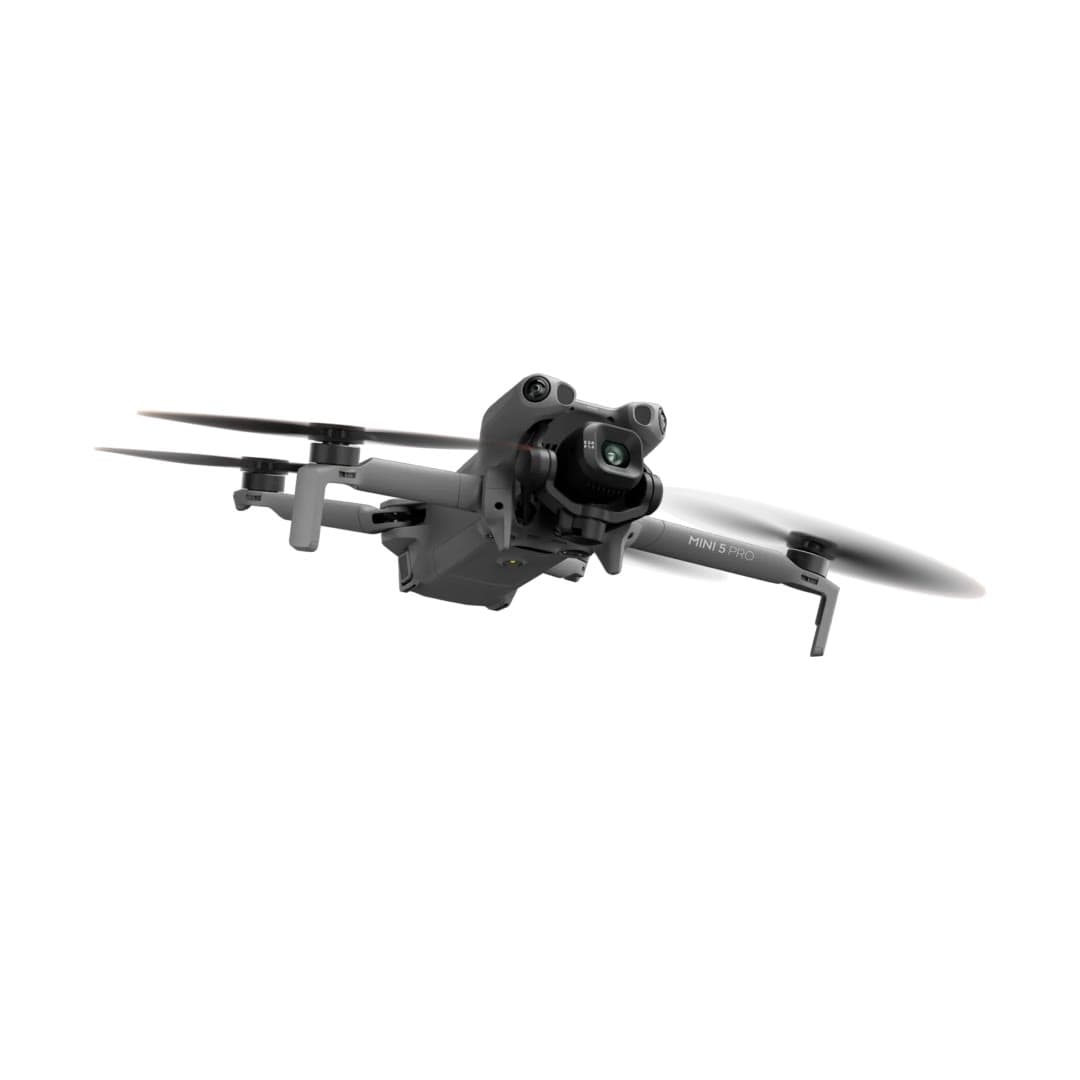
Decision brief
This is an import-cost change, not a grounding order. A consumer drone already in the United States is not taxed retroactively, and the proclamation does not change whether you may fly it. New retail prices may rise, but not necessarily by the full tariff rate because importers and sellers decide how much to absorb or pass through.
- Consumer rate
- 25%
- Thermal rate
- 100%
- Effective
- Sept 3
Covered aircraft at or below 25 kg
Also applies to heavier aircraft and docks
12:01 a.m. Eastern time
What changed
The signed schedule reaches ordinary consumer drones, not only enterprise aircraft.
President Donald Trump signed a Section 232 proclamation on August 13 that imposes new tariffs on imported unmanned aircraft systems and components. For goods entered for consumption, or withdrawn from a warehouse for consumption, at or after 12:01 a.m. Eastern time on September 3, 2026, the additional duty is 25 percent for covered aircraft with a maximum takeoff weight of 25 kilograms or less. That is the schedule that reaches ordinary nonthermal consumer camera drones, including sub-250-gram aircraft.
The rate rises to 100 percent for covered aircraft over 25 kilograms, aircraft that integrate thermal imagers, UAS docking stations, and the specified components listed in Annex I. A separate 25 percent tariff on components listed in Annex III starts February 9, 2027. Customs classification still controls any individual import, so a product name or marketing category is not a substitute for its actual tariff classification.
What buyers will see
The tariff applies at import, so shelf prices and timing will vary.
For a buyer, 25 percent does not automatically mean a drone's shelf price rises exactly 25 percent on September 3. The duty is charged at import. An importer, distributor, and retailer can absorb some of it, pass it through, or reprice existing and incoming inventory differently. Aircraft already imported before the effective time are not retroactively assessed under this proclamation, so old and new inventory may carry different economics even when the model name is identical.
The proclamation creates lower-rate paths for qualifying products from Japan, South Korea, Taiwan, Switzerland, Liechtenstein, European Union member countries, and the United Kingdom: the duty rate is capped at 15 percent ad valorem for the first six and at 10 percent for the United Kingdom. Those caps apply only when substantially all critical components and technology meet the stated origin conditions and the importer completes the certification process. It also delays the effective date by 180 days for qualifying products on the Blue UAS Cleared List, Blue UAS Framework, or FCC Conditional Approval List as of September 2.
Buyer checklist
Before placing a drone order after September 3
A model name is not enough. Confirm the inventory, configuration, and written price behind the exact unit you intend to buy.
- 01
Confirm inventory timing
Ask whether the aircraft is already in the United States or will be imported after the tariff takes effect.
- 02
Check the payload
A thermal imager changes the applicable schedule. Do not assume two variants of the same airframe are treated alike.
- 03
Get the quote in writing
For business purchases, record whether duties, shipping, accessories, and later price adjustments are included.
- 04
Ignore grounding rumors
The proclamation changes import cost. It does not revoke your registration, Remote ID status, or authority to fly an aircraft you own.
Keep the rules separate
The tariff is final. The FCC marketing restriction is still a proposal.
This tariff action is separate from the FCC proposal in PS Docket 26-189. The tariff is signed and changes import cost. The FCC proposal is not final and would restrict continued importation and marketing of certain foreign-produced equipment based on capabilities such as thermal imaging, LiDAR, docking, spraying, and swarming. LiDAR appears in the FCC proposal, but LiDAR alone is not identified as a 100 percent tariff trigger in the proclamation. Mixing the two proceedings produces the wrong answer for both buyers and operators.
The useful move is not panic buying. If you are pricing a drone for work, ask whether the quoted unit is already in U.S. inventory, whether the quote can change after September 3, and whether the exact configuration includes a thermal imager. For a fleet purchase, get the import-duty assumption in writing. Owners should keep flying under the same FAA rules they followed before this announcement; the proclamation does not alter registration, Remote ID, airspace authorization, or Part 107 requirements.
Practical read
Who needs to act now
Strong fit
- Buyers comparing imported consumer drones before and after September 3
- Public-safety and inspection teams budgeting thermal aircraft or docking stations
- Dealers and fleet managers who need a written duty assumption in each quote
Account for
- Treating a 25 percent import duty as a guaranteed 25 percent retail-price increase
- Confusing the signed tariff with the proposed FCC import and marketing restriction
- Assuming LiDAR alone triggers the 100 percent tariff because it appears in the FCC proposal
Source file
Verify the reporting
- White House proclamation: Adjusting Imports of Unmanned Aircraft Systems and UAS Components (August 13, 2026)
- White House fact sheet: tariffs on drones and their parts and components
- White House Annex I: products assigned the 100 percent tariff schedule
- White House Annex II: UAS assigned the 25 percent tariff schedule
- White House Annex III: components assigned the February 2027 schedule
Continue on Drone Authority
Put the report to work
Continue this beat
More market reporting
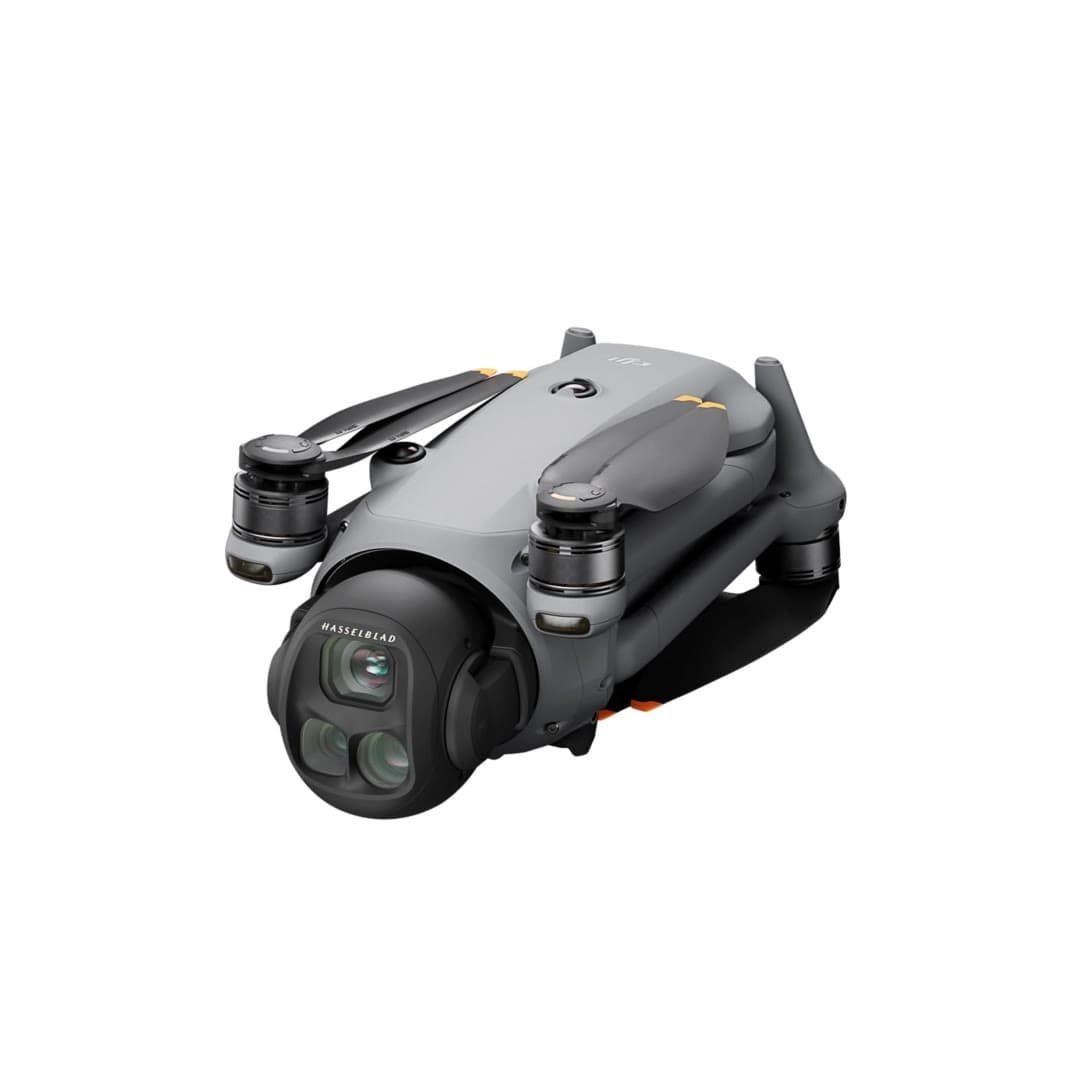
Rule watch · August 5, 2026
China put U.S.-bound dual-use drone exports under case-by-case review. It did not ban every consumer drone.
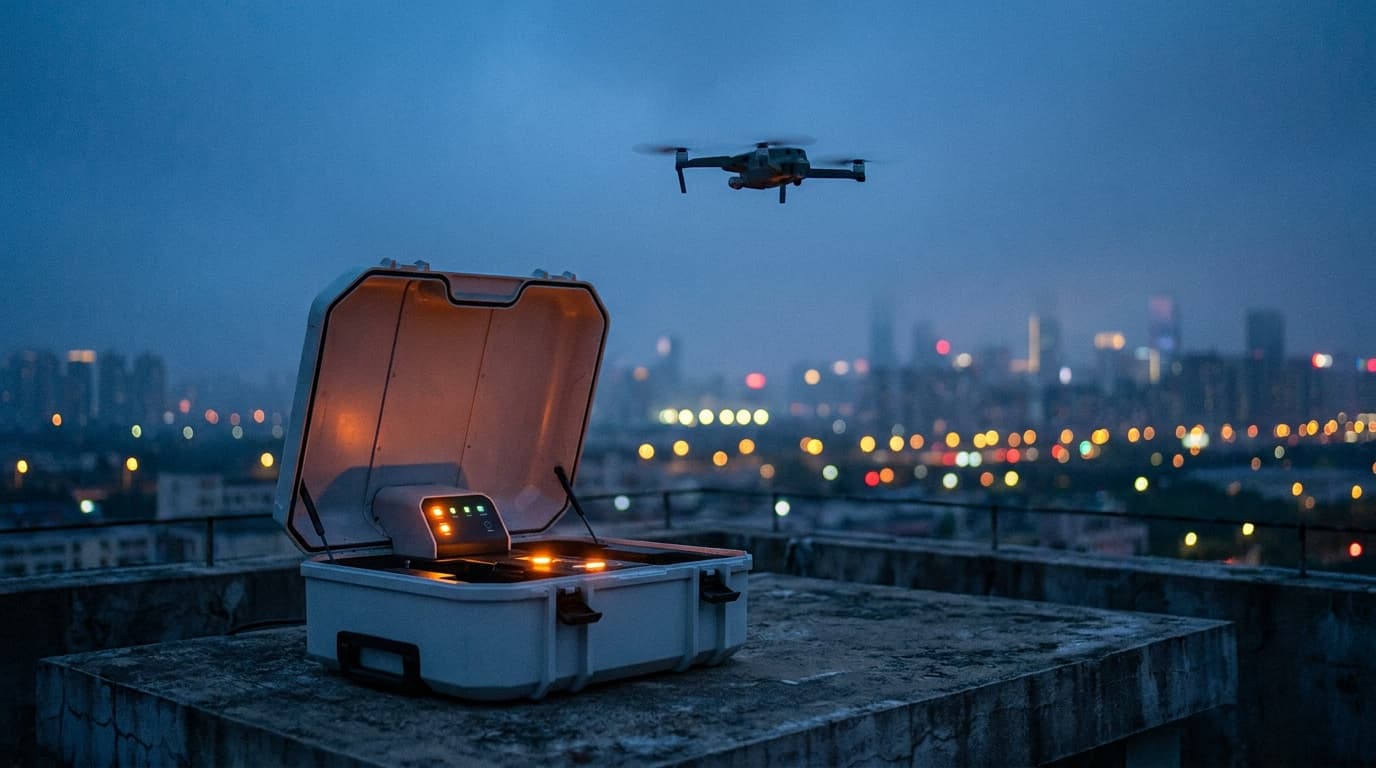
Rule watch · August 10, 2026
FCC proposal could stop future U.S. sales of some foreign thermal, LiDAR, spray, docked, and swarm drones
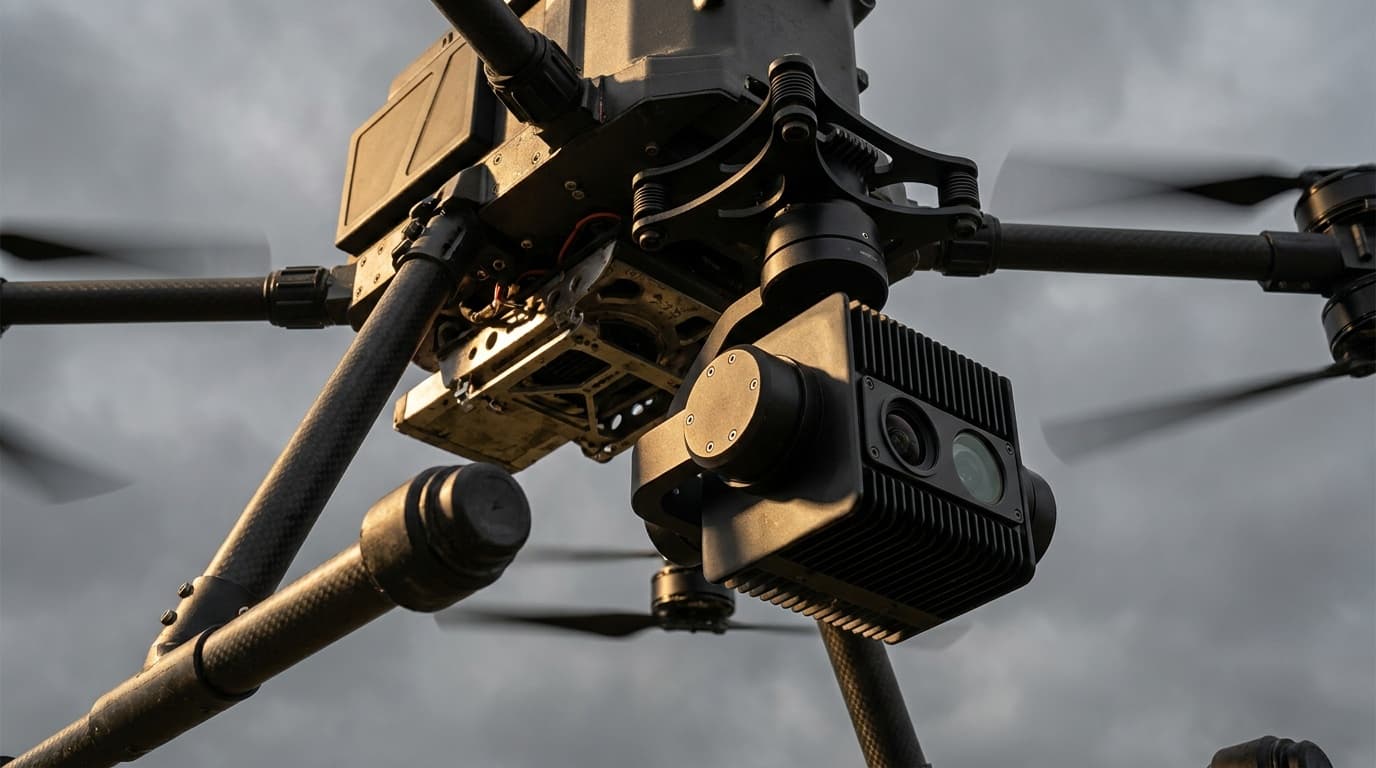
Gear market · September 18, 2026