Drone Authority · Gear
Is DJI banned in the US? (2026)
By Joel Kelly
Last updated August 14, 2026. Drone trade policy is moving fast. Verify current FCC and FAA status before you buy.
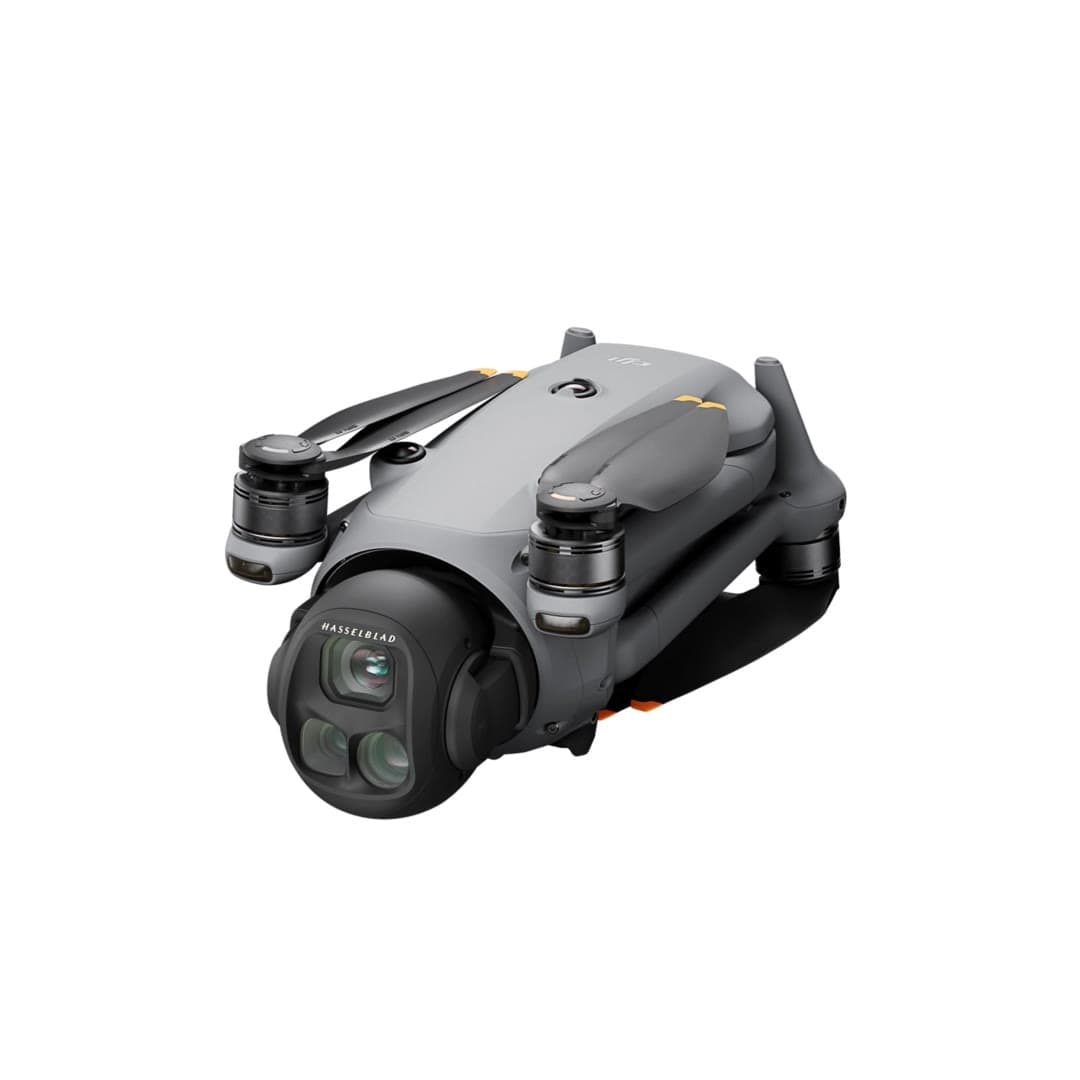
The short answer
Is DJI banned?
DJI is not “banned” in the sense that you can't own or fly one. But as of December 2025, DJI is on the FCC's Covered List. That blocks new DJI models from getting the FCC authorization required to be imported and sold in the U.S. Drones already here keep flying, but U.S. stock is depleting and isn't being replenished. A DJI petition challenging the action is pending.
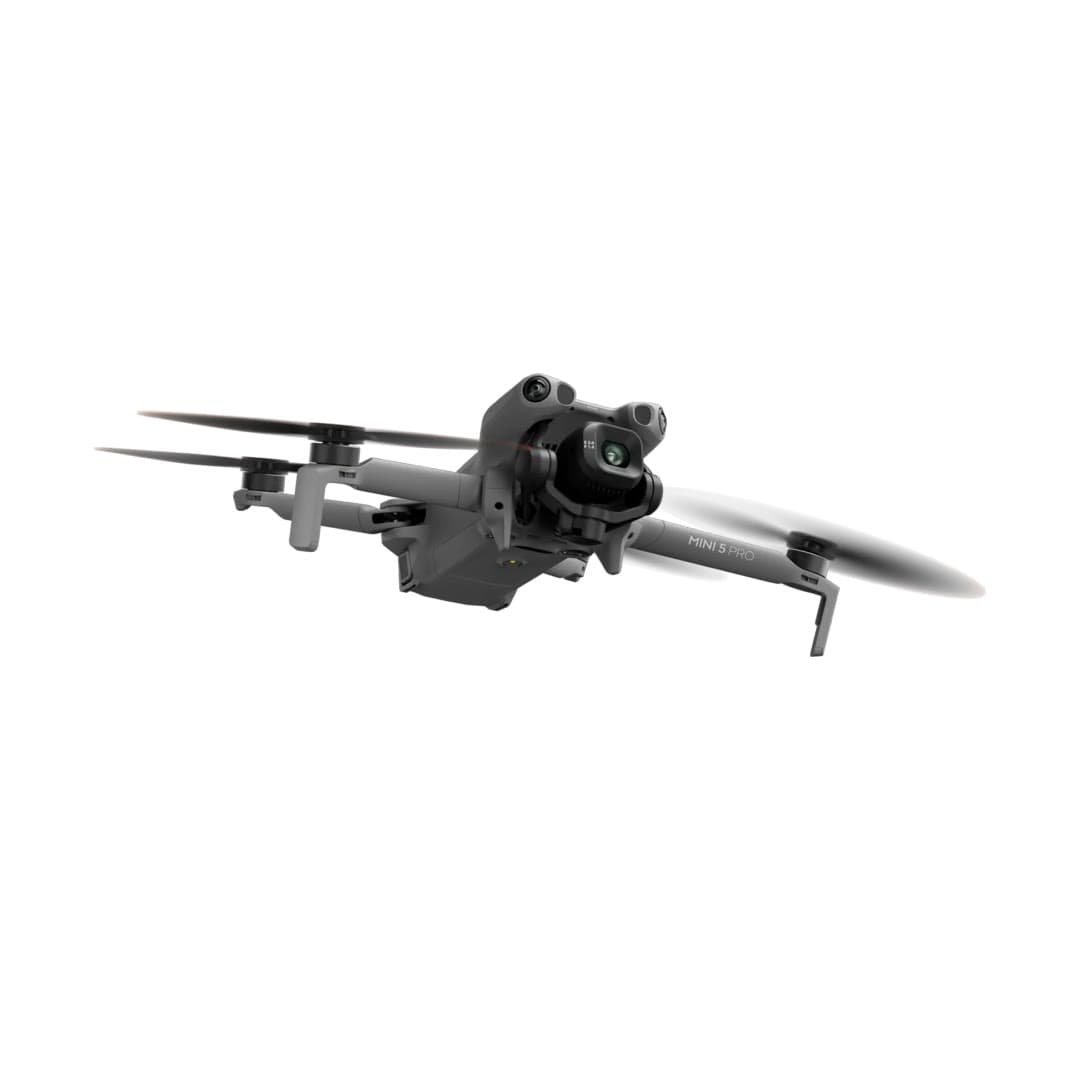
New August 13 tariff action
Imported consumer drones move to a 25% tariff on September 3.
A signed White House proclamation sets a 25% import duty for covered nonthermal aircraft at or below 25 kg and 100% for thermal aircraft, heavier systems, and docking stations. It changes import cost, not whether you may fly a DJI drone you already own. This is separate from the FCC proposals below.
Read the tariff breakdownWhat actually happened
The FY2025 NDAA (Section 1709, the negotiated “Countering CCP Drones Act”) directed a national-security review of DJI and fellow Chinese maker Autel within one year. On December 21, 2025 — one day before the deadline — a White House-convened interagency body issued an affirmative national-security determination, and the FCC implemented it the next day. (Some coverage framed it as an automatic add because no single agency ran a standalone audit; the FCC's record cites an affirmative determination.)
The FCC went further than DJI and Autel alone: in a categorical action it added all foreign-produced drones and certain UAS “critical components” to the Covered List. DJI and Autel filed petitions for reconsideration in January 2026 and are litigating at the Ninth Circuit; the Pentagon filed in opposition in April 2026. As of mid-2026 nothing has reversed the listing, so re-check the status before you commit.
What the FCC Covered List actually does
Being on the Covered List means equipment can't receive new FCC equipment authorization. Without that authorization, a device can't legally be imported and sold in the U.S. In practice:
- •Drones already authorized keep flying. Existing DJI drones aren't bricked or grounded, and the FCC extended the firmware-update waiver for already-authorized foreign drones through at least January 1, 2029, so current units keep getting software support.
- •New models can't be imported or sold. Without fresh FCC authorization, newly released DJI drones can't enter normal U.S. retail channels.
- •U.S. stock is depleting. Retailers are selling through existing inventory that isn't being replenished, so availability shrinks and prices drift up over time.
A newer, separate proceeding matters: on July 17, 2026, the FCC proposed using Section 2.939(e) to restrict continued importation and marketing of specified equipment that already has an authorization. That proposal names nine company groups, not every previously authorized DJI product, and it does not ground current owners. Read the full FCC proposal explainer.
The other squeeze: customs holds
The FCC listing is only half the story, and not the half emptying shelves right now. Since October 2024, U.S. Customs and Border Protection has been detaining DJI shipments under the Uyghur Forced Labor Prevention Act (UFLPA). DJI disputes any forced-labor tie and calls it a customs misunderstanding, but the detentions have persisted — and they, more than the FCC action, are why DJI's own store and major retailers have shown models sold out. Keep the two mechanisms separate: the FCC freeze blocks new models; the customs holds choke current supply.
What it means if you want to buy a DJI
If you have your heart set on a specific DJI model, buy sooner rather than later, and from a reputable authorized dealer rather than a gray-market reseller. Remaining legitimate stock is concentrated at authorized retailers such as B&H Photo and Adorama. Expect prices above old MSRP and thinning availability as inventory clears. Be wary of listings well below market price or from unknown sellers — gray-market and counterfeit risk rises whenever legitimate supply tightens. With new stock frozen, the U.S. used market is now the main DJI channel — see our refurbished & used buying checklist. Buying for a business or agency instead? Our enterprise drone guide and Care Refresh vs insurance breakdown cover what to weigh before you commit.
What to buy instead: the best non-DJI drones
“Just buy a non-DJI drone” is harder than it sounds, and worth a caveat: non-DJI does not mean China-free. Autel is on the same Covered List, and popular consumer picks like Potensic, HOVERAir, and Antigravity are still Chinese-made — they're simply available now and not caught in the DJI import freeze. If you specifically need China-free or NDAA-compliant hardware, that means U.S. and allied enterprise makers (Skydio, BRINC, Freefly) or France's Parrot, at a real price premium. For most beginners and hobbyists, these three are the capable, available picks:
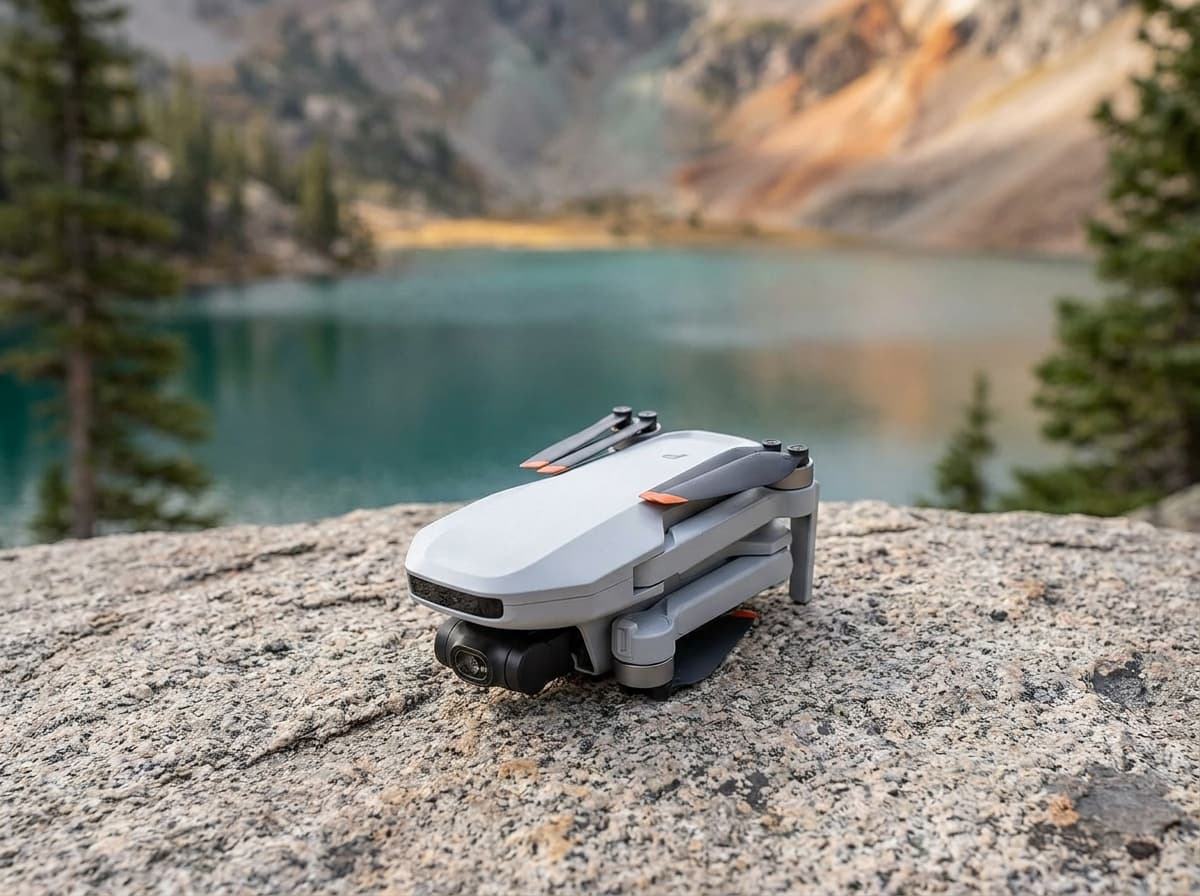
Potensic
ATOM 2
Potensic's sub-250 g flagship: a real 3-axis gimbal, 4K HDR, AI tracking, and vertical shooting at hundreds less than a Mini 4 Pro — the closest thing to a DJI Mini that isn't caught in the DJI supply squeeze.
Strengths
- True 3-axis mechanical gimbal at a budget price
- Sub-250 g — recreational registration exempt
- Unaffected by the DJI import freeze; stock is stable
Tradeoffs
- No omnidirectional obstacle sensing
- App and ecosystem less polished than DJI's
- Weight
- Under 249 g
- Camera
- 48 MP · 4K/30 HDR, 3-axis gimbal
- Flight time
- Up to 32 min
- Transmission
- 10 km, PixSync 4.0
Best for: First-drone buyers who want DJI-Mini capability without DJI supply anxiety.
Amazon comes first when available. Official links stay visible for exact specs, stock, and manufacturer support. We may earn a commission at no extra cost to you. Disclosure
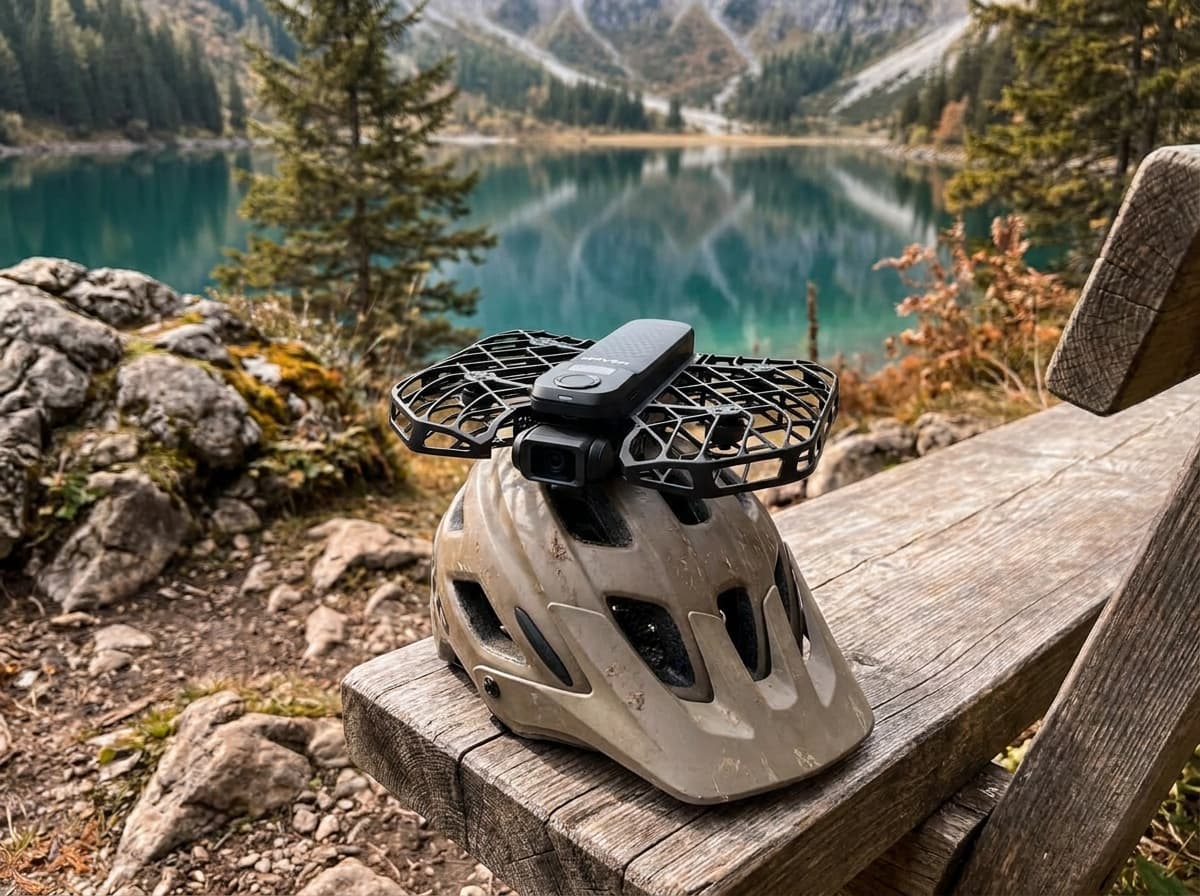
HOVERAir
X1 Pro
The action-sports follow camera: palm-launch, no controller, and fast enough (42 km/h) to chase bikes and skiers. The ProMax step-up adds 8K capture for another $20-100.
Strengths
- Genuinely hands-free — tracks you through trails at speed
- Pro-level follow speeds that embarrass the original X1
- Fully autonomous modes need zero piloting skill
Tradeoffs
- Not a pilot's drone — limited manual control
- Premium price for a single-purpose camera
- Camera
- 4K/60 HDR (ProMax: 8K/30)
- Follow speed
- Up to 42 km/h — bike and ski capable
- Modes
- 10+ autonomous flight paths, palm launch
- Terrain
- OmniTerrain following
Best for: Runners, riders, and skiers who want a camera crew, not a piloting hobby.
Amazon comes first when available. Official links stay visible for exact specs, stock, and manufacturer support. We may earn a commission at no extra cost to you. Disclosure
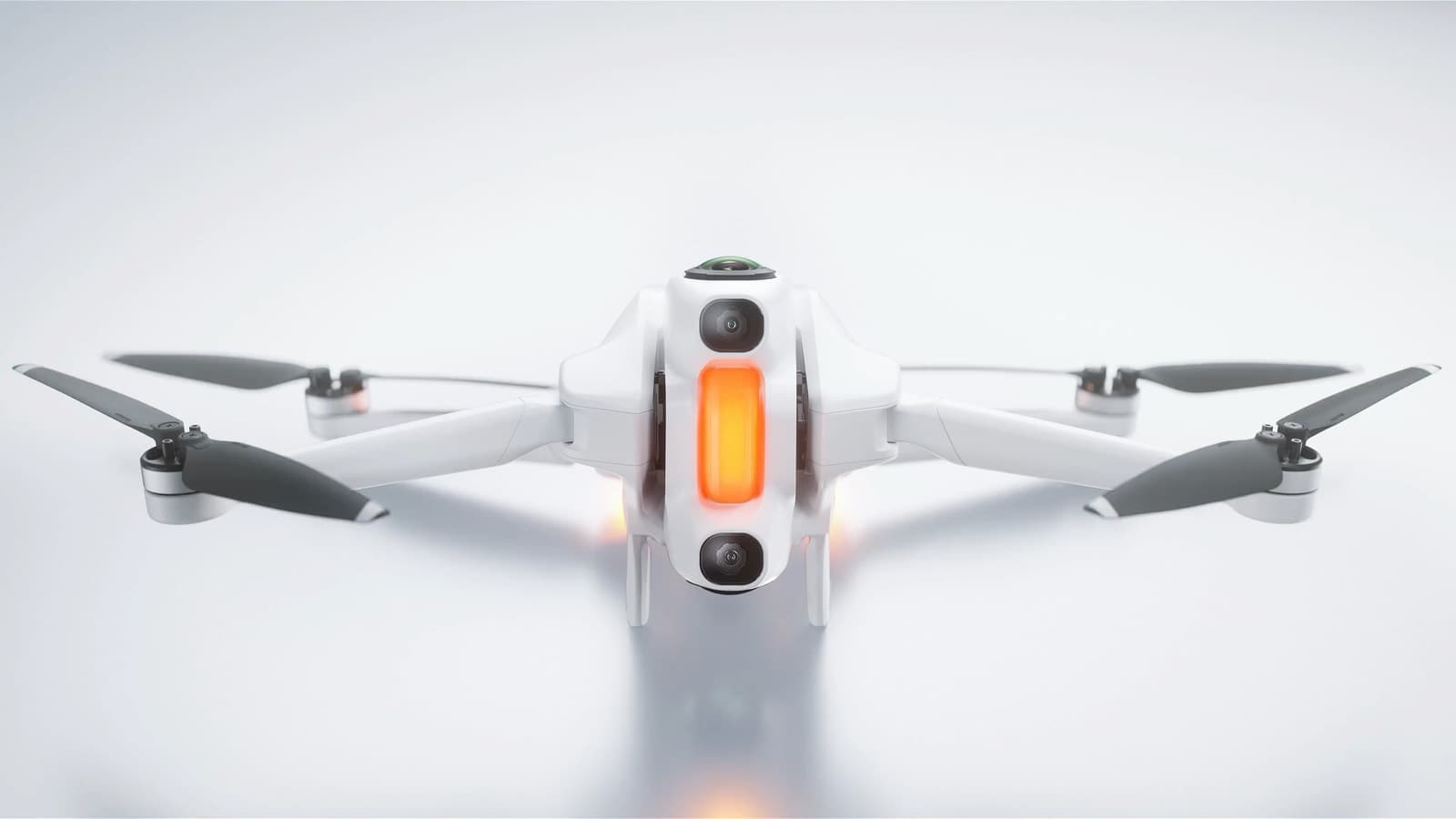
Antigravity
A1
The first 8K 360 drone, co-engineered with Insta360: both lenses capture everything and the aircraft is stitched out of the shot, so you frame the footage after you fly. Ships as a goggles-and-motion-controller kit at 249 g.
Strengths
- Capture everything, choose the shot later — no missed framing
- 249 g keeps it under registration thresholds for recreational flying
- Goggles + motion controller included at a price below flagship camera drones
Tradeoffs
- 360 stitching caps effective per-angle resolution below a dedicated 1-inch camera drone
- First-generation software; editing workflow has a learning curve
- Goggles-first flying means extra situational-awareness discipline (and a VO helps)
- Weight
- 249 g (registration-exempt recreational)
- Camera
- Dual-lens 8K/30 360 (5.2K/60, 4K/100)
- Flight time
- ~24 min (39 min high-capacity battery)
- Range
- 10 km transmission
- Control
- Vision goggles + Grip motion controller
- Best use
- Immersive 360 video, shoot-first-frame-later
Best for: Creators who want immersive or social-ready footage without pre-planning every shot, and pilots curious about goggle flying without building an FPV rig.
Amazon comes first when available. Official links stay visible for exact specs, stock, and manufacturer support. We may earn a commission at no extra cost to you. Disclosure
Want the full field, including sub-250g models that skip registration? See our best beginner drones under $500. For enterprise or public-safety work, NDAA-compliant makers like Skydio and BRINC are the route, at a real price premium — our NDAA & Blue UAS guide maps that whole landscape, including the January 2026 FCC exemption. The separate American-made drone evidence directory preserves the exact manufacturer wording and configuration sources.
DJI ban: frequently asked questions
- Is DJI banned in the United States?
- Not in the sense that you can't own or fly one. As of December 2025, DJI is on the FCC's Covered List, which blocks new DJI models from receiving the FCC authorization required to be imported and sold in the U.S. Drones already in the country stay legal to own and operate; U.S. retail stock is simply depleting and not being replenished.
- Why did the US ban DJI drones?
- The FY2025 NDAA (Section 1709) directed a national-security review of DJI and fellow Chinese maker Autel. On December 21, 2025, a White House-convened interagency body issued an affirmative national-security determination, and the FCC implemented it the next day, adding DJI to the Covered List. The FCC's action was categorical, covering all foreign-produced drones rather than DJI alone. The stated basis is national-security and data-security concern over Chinese-made drones.
- Can you still buy a DJI drone in the US in 2026?
- Yes, DJI-branded stock that was already authorized can still be sold while it lasts. Supply is constrained by FCC authorization limits and customs enforcement, and a signed August 13 proclamation adds a 25 percent tariff to covered nonthermal drones at or below 25 kilograms beginning September 3. A separate FCC proposal could restrict continued importation and marketing of specified equipment, but it is not final and is not a blanket sales ban on every previously authorized DJI product.
- Do existing DJI drones still work?
- Yes. The Covered List affects new equipment authorizations and imports, not aircraft already in service — your current DJI drone is not bricked or grounded and remains legal to fly under normal FAA rules. The FCC also extended the firmware-update waiver for already-authorized foreign drones through at least January 1, 2029, so existing units keep getting software support.
- What is the difference between the FCC Covered List and an outright sales ban?
- A Covered List entry blocks new FCC equipment authorizations. The FCC also has a separate process under Section 2.939(e) that can restrict continued importation and marketing of specified equipment that was previously authorized. The July 17, 2026 proposal uses that second process for identified equipment from nine company groups, but it is not final, does not cover every existing DJI product, and would not ground aircraft already purchased.
- Is Autel banned in the US too?
- Autel faces the same NDAA scrutiny as DJI and has been winding down its consumer EVO Nano and EVO Lite lines, so it is not a clean escape from the DJI situation for U.S. buyers.
- What are the best non-DJI drones to buy instead?
- For most beginners and hobbyists, the Potensic Atom and HOVERAir X1 are capable, widely available, and unaffected by the DJI import freeze, and the Antigravity A1 is the standout new 360 option — though all three are still Chinese-made, so they are not a 'China-free' choice. If you specifically need China-free or NDAA-compliant hardware, that means U.S. and allied enterprise makers like Skydio, BRINC, and Freefly, or France's Parrot, at a real price premium.
Educational, not legal advice. Drone regulations and trade rules are changing quickly. Verify the current FCC and FAA status before buying or flying. As an Amazon Associate we earn from qualifying purchases.