A Dallas man faces four federal counts and up to eight years for drone flights at Love Field and DFW on back-to-back nights
Federal prosecutors say Pujan Prashantkumar Gajjar, 24, flew a drone across an active runway at Dallas Love Field late on June 26, 2025, then into the restricted airspace around DFW the next night. A grand jury indicted him on September 16. The release does not name the statutes charged.
By Joel Kelly
Decision brief
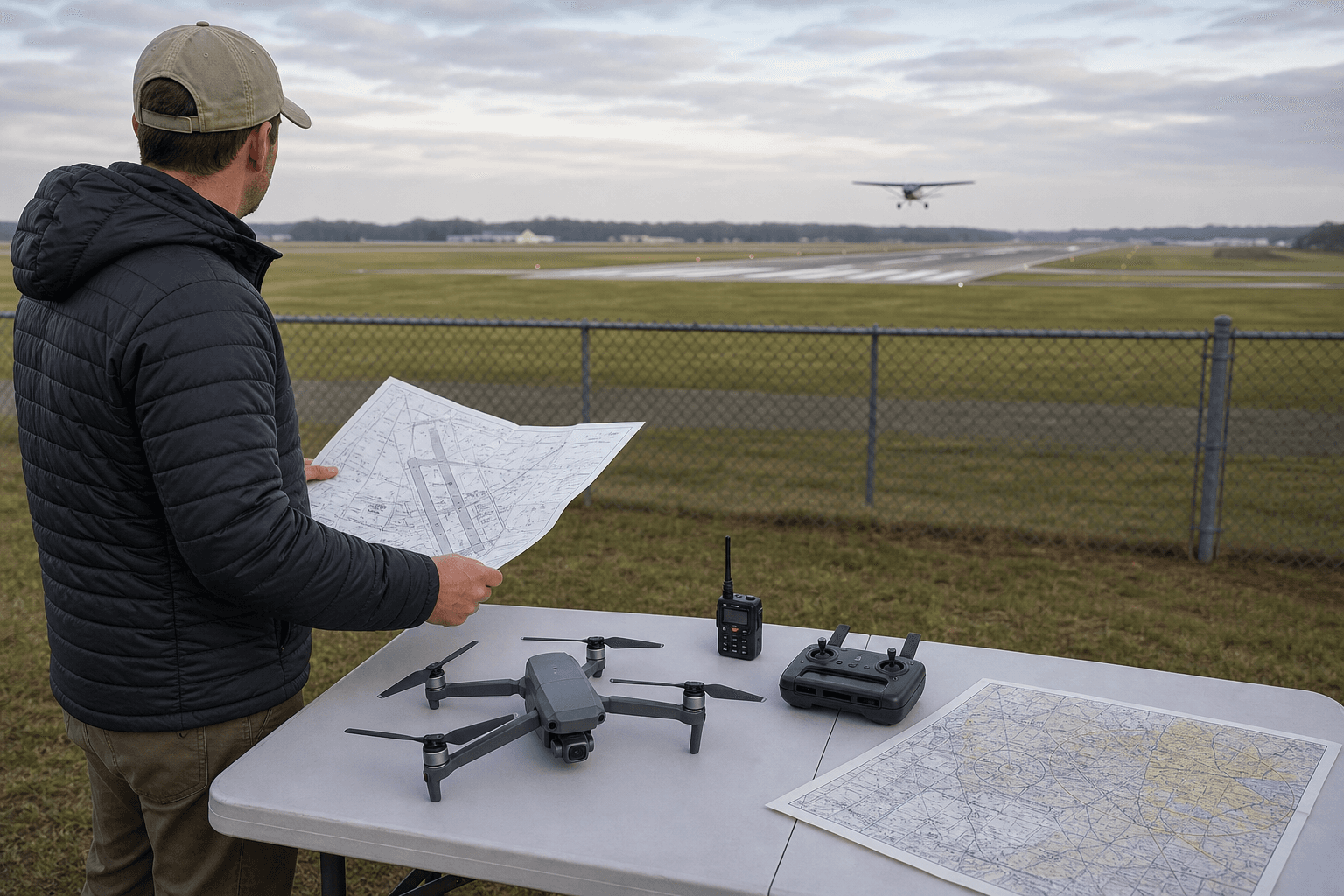
This is the third federal drone case near an airport that the desk has covered in three weeks, and the first indictment rather than a plea. The exposure is larger because there are four counts across two nights, including two for flying without a remote pilot certificate. Both Dallas airports sit in controlled airspace that reaches the ground. A night flight near a runway there is not a gray area; it needs FAA authorization that the grids next to runways will not give. If you are charged, the government does not have to prove a near miss, only where the drone was.
- Indictment
- Sept. 16, 2026
- Flights
- June 26 and 27, 2025
- Exposure
- Up to 8 years
Four counts, N.D. Tex.; unauthorized operation of an unmanned aircraft in protected airport airspace
Love Field runway exclusion zone about 11:30 p.m., then DFW restricted airspace the next night
Arrested Sept. 22; initial appearance before U.S. Magistrate Judge Renee Harris Toliver
The charges
Two nights, two airports, four counts.
The U.S. Attorney's Office for the Northern District of Texas announced on October 8 that a federal grand jury returned a four-count indictment on September 16 against Pujan Prashantkumar Gajjar, 24, of Dallas. The counts relate to the unauthorized operation of an unmanned aircraft in protected airport airspace. According to the indictment as described by prosecutors, Gajjar flew a drone into the runway exclusion zone at Dallas Love Field around 11:30 p.m. on June 26, 2025, and the drone crossed an active runway. The following night, prosecutors say, he flew the same drone into the restricted airspace around Dallas-Fort Worth International Airport. The indictment also alleges that, in connection with the same flights, he knowingly and willfully served as an airman without the required airman's certificate.
Federal agents arrested Gajjar on September 22, and he made his initial appearance that day before U.S. Magistrate Judge Renee Harris Toliver. If convicted, he faces up to eight years in federal prison. The court docket, mirrored on CourtListener as case 3:26-cr-00621, shows an order appointing a public defender on September 23, an order setting conditions of release and a scheduling order on September 28, and an order setting a deadline or hearing on October 7. The FBI Dallas field office and the Federal Air Marshal Service investigated with help from the FAA. Assistant U.S. Attorney Edward L. Hocter of the office's National Security Section is prosecuting. U.S. Attorney Ryan Raybould said unauthorized drone incursions into protected airport airspace endanger pilots, passengers, and the community. An indictment is an allegation, and Gajjar is presumed innocent unless convicted.
What is not in the release
No statutes, no aircraft, no account of how he was found.
The release does not name the statutes behind the four counts, does not identify the drone, and does not say how the flights were detected or how the pilot was identified 15 months later. It describes two kinds of conduct: entering protected airspace at each airport, and flying without the certificate the FAA requires. That second allegation matters for the sentence. Two earlier cases the desk covered this month ended in pleas to a single count with a one-year maximum: a Charlotte man who launched from the airport overlook between two runways, and a tourist who flew over Kennedy Space Center. The same Dallas office also charged a Mexican national by complaint in July for a drone flight before a FIFA World Cup match. The eight-year figure here comes from stacking four counts, not from any one of them.
What to do
Surface-level controlled airspace, zero grids, and a night flight.
Love Field and DFW both sit in controlled airspace that starts at the surface, so any drone flight near either airport needs FAA authorization before takeoff. Near active runways the FAA's facility map grids are set to zero feet, and LAANC cannot approve a zero grid, so the usual app-based authorization is not available there. The time of the Love Field flight, 11:30 p.m., adds a night operation to the picture. A Part 107 pilot can fly at night with anti-collision lighting and the current training, but not inside a runway exclusion zone, and a recreational flyer has no path into that airspace at all. The practical check is the one the earlier cases taught: look up the launch point and the whole flight path on a current airspace map before the props spin, and treat any grid showing zero as a wall.
Source file
Verify the reporting
- U.S. Attorney's Office, Northern District of Texas: Dallas man indicted for flying drone into protected airspace surrounding two major airports (October 8, 2026)
- CourtListener (Free Law Project) docket mirror: United States v. Gajjar, No. 3:26-cr-00621 (N.D. Tex.)
- FOX 4 Dallas-Fort Worth: Dallas man faces 8 years in prison for unauthorized airport drone flights (October 8, 2026)
- FAA: UAS Data Exchange (LAANC), authorization to fly in controlled airspace
Continue on Drone Authority
Put the report to work
Continue this beat
More policy reporting
Rule watch · September 27, 2026
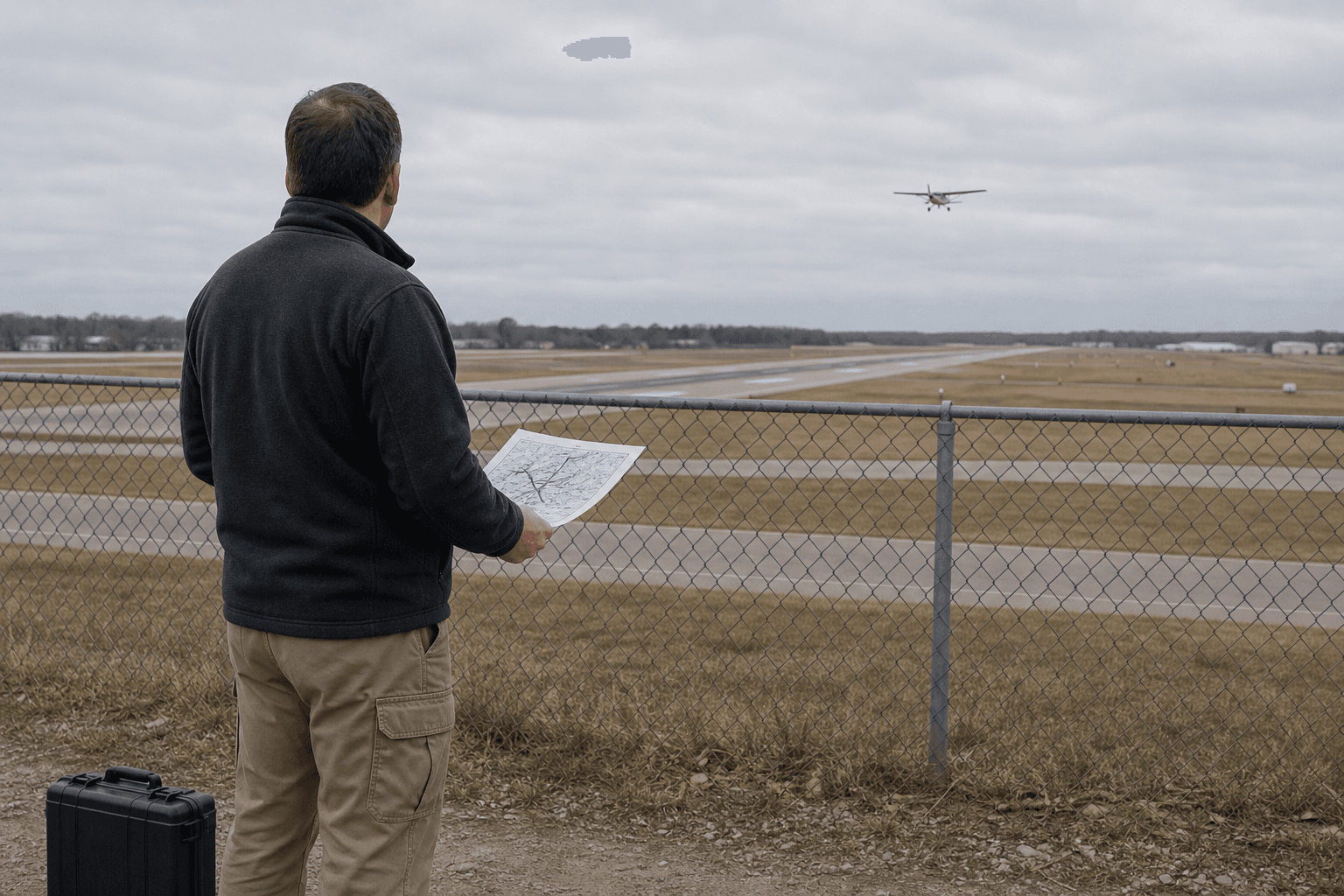
A Charlotte man pleaded guilty for flying a drone at the CLT Airport Overlook, a public park between two runways
Rule watch · September 25, 2026
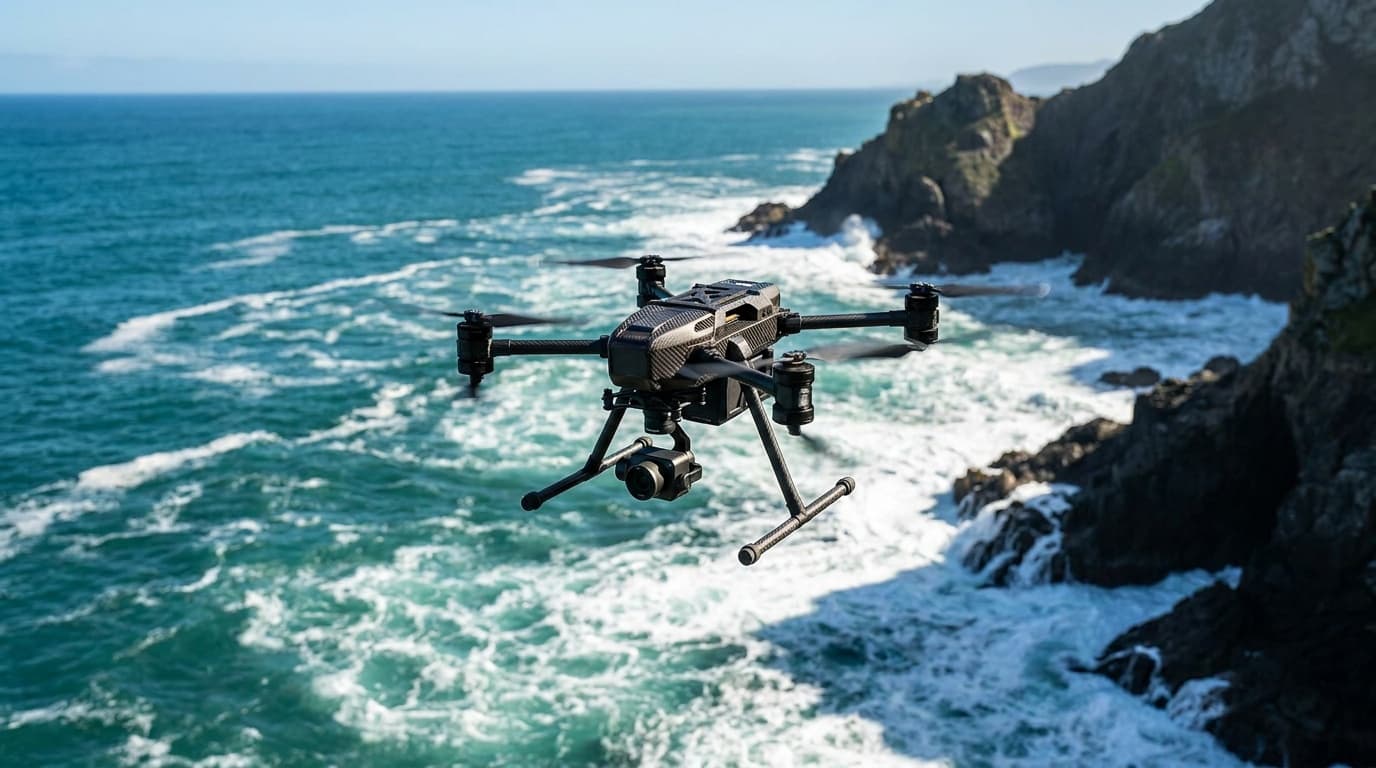
A tourist pleaded guilty to a federal charge for a 12-minute drone flight near Kennedy Space Center. His controller only warned him about an airport.
Rule watch · September 29, 2026