Connecticut towns and state agencies can't buy drones from Chinese or Russian companies after September 30. The state's 250-foot infrastructure rule already applies to everyone.
Public Act 25-1 bars state agencies, municipalities, their contractors, and state or federal funds from buying small drones made by a covered foreign entity starting October 1, 2026. Since October 1, 2025, the same act has made it a class A misdemeanor for anyone to fly below 250 feet over, or within 100 feet of, a listed critical infrastructure facility without approval.
By Joel Kelly
Decision brief
If you fly for a Connecticut town, agency, or its contractor, a new DJI or other covered foreign aircraft can't be bought under that contract from October 1, and flying one is barred from October 1, 2028. Contracts signed before those dates are not affected. The rule that reaches every pilot took effect a year ago: stay 250 feet up and 100 feet out from hospitals, bridges, government buildings, substations, water plants, and other fenced or posted facilities. Limited access highways count with no sign at all. Commercial pilots with FAA authorization have a narrow exemption from the height and distance limit.
- Purchase ban
- Oct. 1, 2026
- Operating ban
- Oct. 1, 2028
- Everyone
- 250 ft / 100 ft
State agencies, towns, their contractors, and state or federal funds
DESPP from Oct. 1, 2027; pre-existing contracts not impaired
From listed infrastructure since Oct. 1, 2025; class A misdemeanor
What starts Thursday
Public buyers lose covered foreign drones first.
Connecticut's Public Act 25-1 was signed March 3, 2025, and bundles several unrelated subjects. Its drone sections take effect in stages, and the next stage arrives on Thursday, October 1. Under section 5, state agencies and municipalities may no longer buy a small drone assembled or made by a covered foreign entity. Contractors buying under a state or municipal contract are covered too, and so is any purchase with state or federal money. The act defines a covered foreign entity to include China, Russia, people and companies based in or controlled by either, and anyone on the federal Consolidated Screening List or Entity List.
The staging runs through 2028. The state Department of Emergency Services and Public Protection has been under a purchase ban since October 1, 2025, and may not operate covered aircraft after October 1, 2027. Other agencies and towns lose the right to operate them on October 1, 2028. Contracts signed before each date are not impaired. From the operating-ban dates through December 31, 2034, an agency head or chief may approve a covered aircraft for an emergency, to counter another drone, or for a criminal investigation. A written statement is due within seven days, and those statements are subject to public records law.
What already applies
Hospitals, bridges, and highways are off limits low and close.
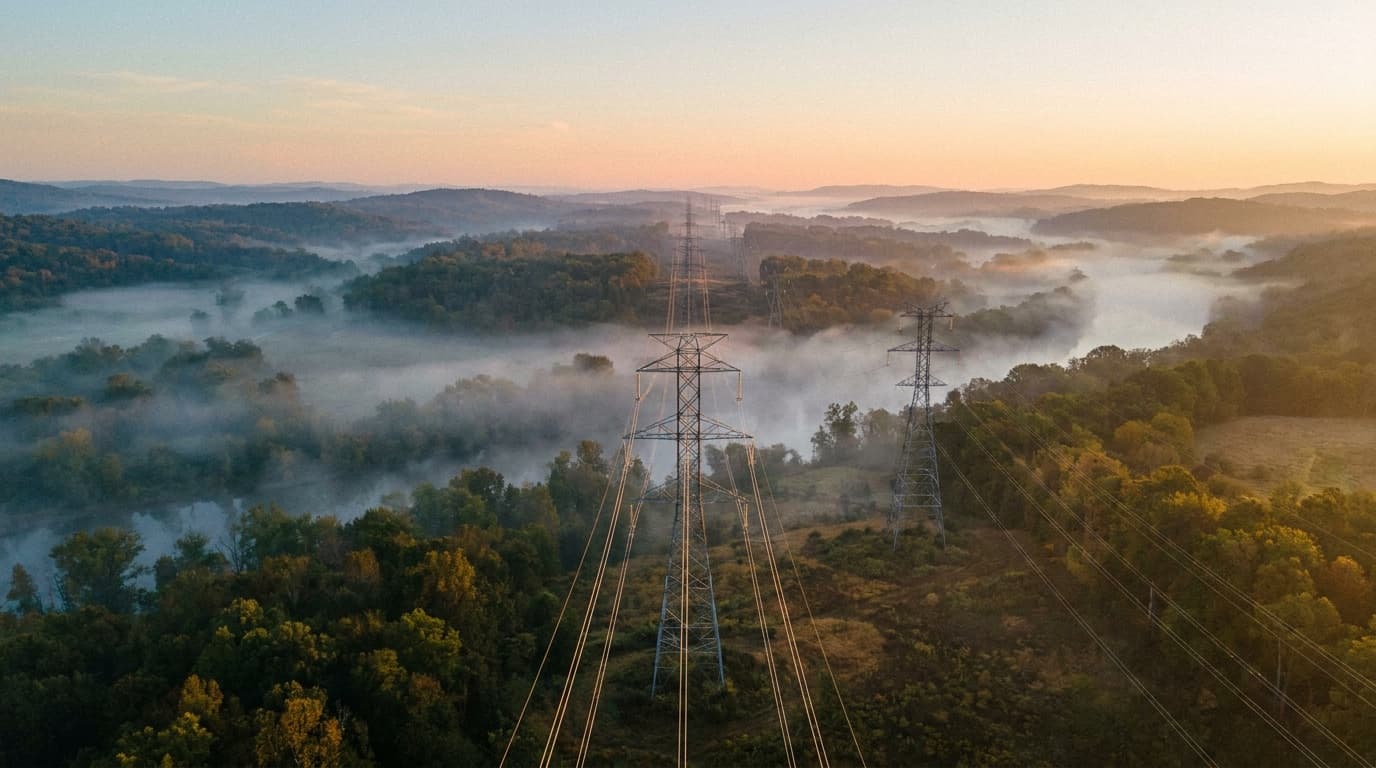
The sections that reach hobby and Part 107 pilots have been in force since October 1, 2025. Under section 7, no one may fly below 250 feet above a critical infrastructure facility, within 100 horizontal feet of one, or inside a highway tunnel without the owner's or administrator's approval. Using a drone to watch or gather information on one is also barred. The facility list is long. It includes power plants, substations, fuel and chemical sites, prisons, cell sites, ports, rail yards, dams, water and wastewater systems, government office buildings, hospitals, public safety buildings, and state or local bridges. Each counts only when fenced or posted with a no-drone sign. Limited access highways and their tunnels count with no sign.
What to check
Know the exemption you are relying on before you fly near a facility.
There are exemptions. A commercial operator flying under FAA authorization is exempt from the height and distance limit, but only to the extent the job requires, and not from the surveillance clause. On-duty government workers, the military, police, firefighters, emergency managers, and utility employees are exempt from all of section 7. A violation is a class A misdemeanor. Section 8, in force on the same date, bars anyone from arming a drone with a weapon, ammunition, or an explosive. It carries the same penalty, with exceptions for the military and for rescue flights carrying a breaching tool. Drone Authority's Connecticut guide missed the act until September 27 and now covers all of it.
Source file
Verify the reporting
Continue on Drone Authority
Put the report to work
Continue this beat
More policy reporting
Rule watch · September 27, 2026
Alabama's 400-foot drone limit around ticketed concerts and games starts October 1. FAA-compliant pilots are exempt.
Rule watch · September 27, 2026
A Charlotte man pleaded guilty for flying a drone at the CLT Airport Overlook, a public park between two runways
Rule watch · September 25, 2026