Military says an Army laser defeated three hostile drones at the southern border
Joint Task Force Southern Border says the engagements happened on August 25 and 26. It did not name the location, drone models, operators, or what happened to each aircraft.
By Joel Kelly

Decision brief
The military says it used a high-energy laser against three drones during an active U.S. border mission. The release confirms the dates, the system, the number of engagements, and the military's finding that the drones were hostile. It does not say who flew them, where the events happened, how officials confirmed the threat, or whether the drones were disabled, destroyed, or recovered.
- UAS engaged
- 3
- Operation dates
- Aug 25–26
- Location and models
- Not disclosed
Official task-force count
Late-night engagements
Operators were not identified either
What is confirmed
The military disclosed three directed-energy engagements across two nights.
Joint Task Force Southern Border announced the operation on August 27. It said Army personnel used the Army Multipurpose High Energy Laser system late at night on August 25 and 26. The task force says the laser engaged and defeated three hostile drones. The task force operates under U.S. Northern Command and supports U.S. Customs and Border Protection.
The release says officials classified all three drones as hostile. It says the aircraft directly supported activities that posed a physical threat to U.S. military personnel and CBP partners. It does not name the pilots, a cartel, the drone models, the payloads, or the evidence that connected each aircraft to the threat. Maj. Gen. Curtis Taylor separately said cartel networks use drones to support human smuggling and watch military and law-enforcement personnel. That was a broader statement. It did not publicly tie these three aircraft to a cartel.
What ‘defeat’ means
The release stops short of saying how each aircraft was stopped.
The military uses the term ‘defeat,’ not ‘destroy’ or ‘shoot down.’ The release does not explain what the laser did to each aircraft. It does not say whether the laser affected flight controls, a sensor, propulsion, or another part of the drone. The release also does not say whether a drone landed, was destroyed, or was recovered. It gives no engagement distance, duration, power setting, exact location, airspace plan, weather, or recovery record.
The Army released a photo of a bright beam. Its caption says the image shows the August 25 engagement. DVIDS lists the photo as public domain and credits Sgt. Daniel Huerta. The image is evidence that the system was used, but it does not show a target drone or answer the remaining operational questions.
Missing record
What the military still needs to disclose
The announcement confirms that the system was used. These records would show what happened to each aircraft and how the military managed the risk.
- 01
Identify the aircraft
Publish models, payloads, recovered components, and any known command or navigation links.
- 02
Define the threat
Explain the observed behavior and evidence that led operators to classify each UAS as hostile.
- 03
Describe the effect
State whether each aircraft was disabled, destroyed, forced down, lost control, or recovered.
- 04
Show the safety case
Document engagement geometry, civil-airspace coordination, debris risk, and any after-action findings.
Authority boundary
A military border operation does not expand civilian counter-drone powers.
This operation does not give police, venues, private security, or property owners new power to stop drones. It was a military mission under federal authority. State and local agencies have a separate federal certification path. Private parties still cannot jam, take control of, or damage an aircraft because the Army used a laser at the border.
A fuller release would name the engagement area, aircraft, payloads, and threat-review process. It would also explain coordination with civil aviation authorities, what happened to each target, and any safety findings. For now, the claim is limited: the task force says AMP-HEL engaged and defeated three hostile drones over two nights.
Practical read
How to read the announcement
Strong fit
- Pilots following the real-world use of counter-UAS systems in the United States
- Public-safety leaders separating federal military authority from local certification
- Operators tracking how official agencies document a hostile-drone determination
Account for
- Calling the aircraft cartel-operated when the release does not attribute these three flights
- Translating ‘defeat’ into destruction without a published damage or recovery record
- Assuming the event grants private parties or ordinary police units new counter-drone authority
Source file
Verify the reporting
Continue on Drone Authority
Put the report to work
Continue this beat
More public safety reporting
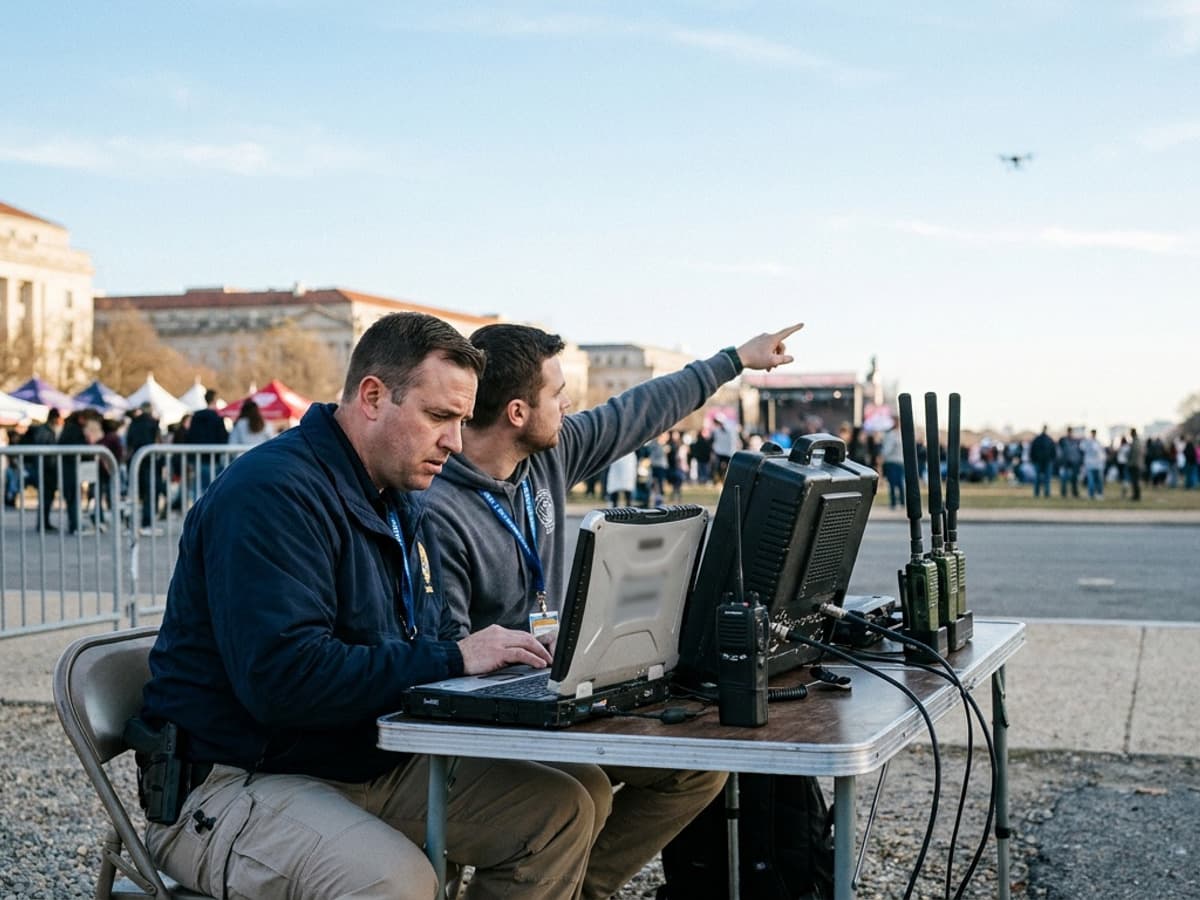
Rule watch · July 26, 2026
The new counter-drone authority for local police is narrower than the headlines suggest
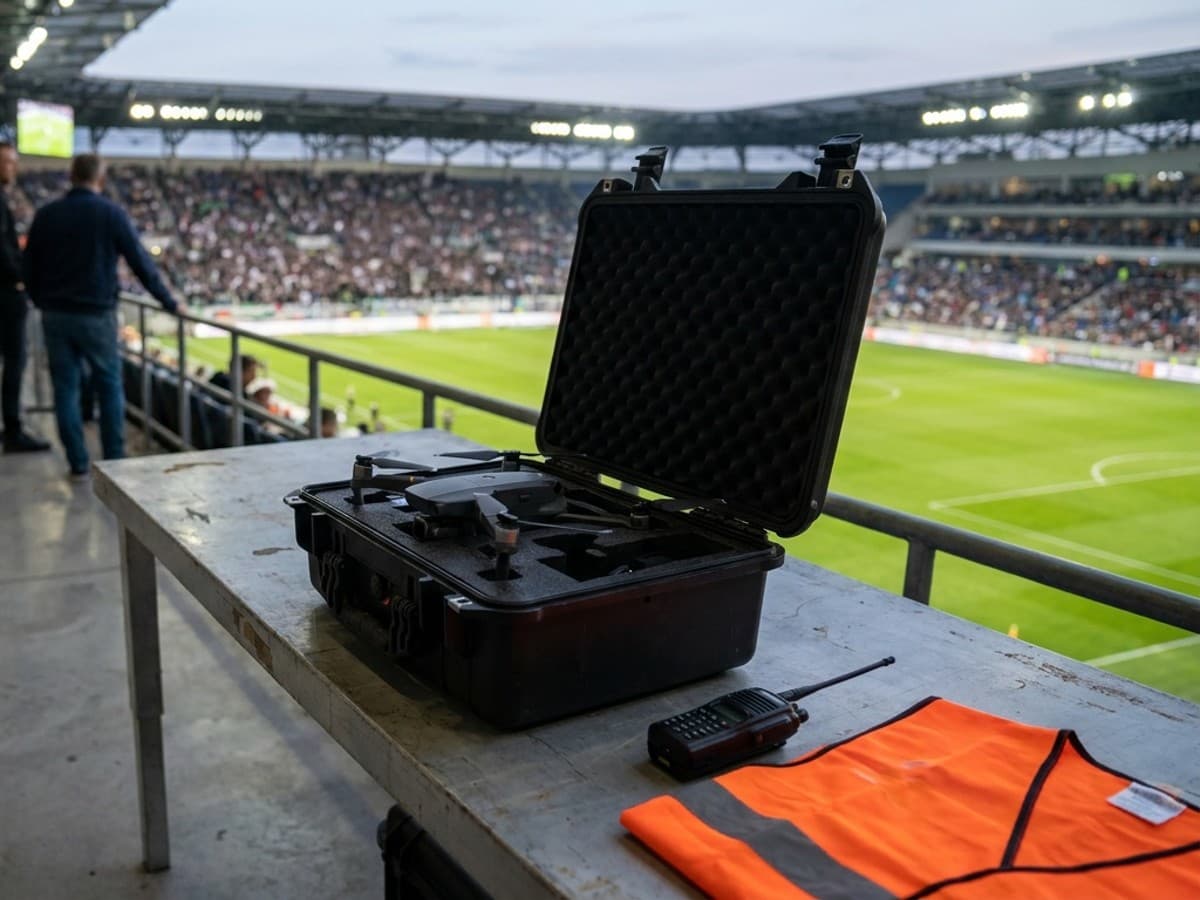
Safety · July 26, 2026
700+ drones seized at the World Cup, where LAANC approval counted for nothing
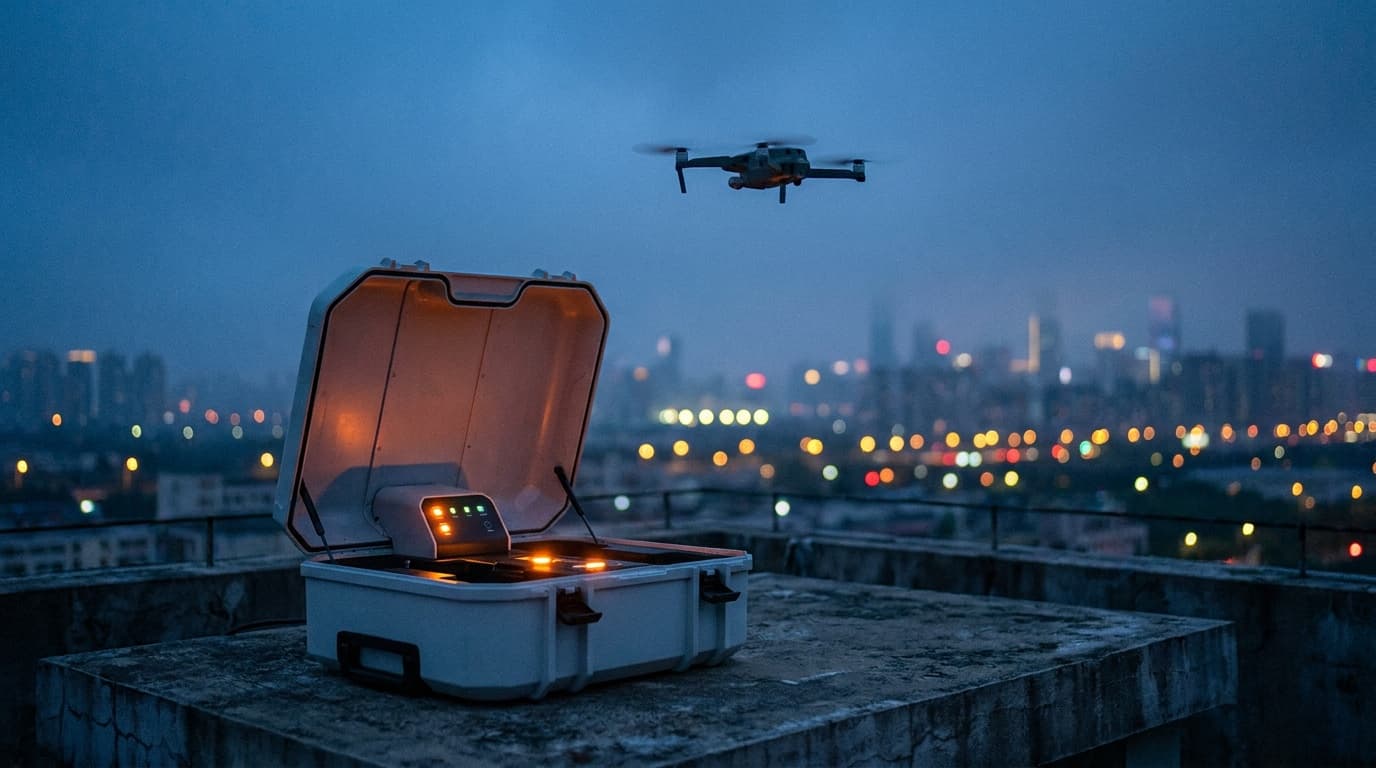
Rule watch · August 10, 2026