Shield AI agrees to buy Echodyne, the drone-detection radar maker that asked for the FCC's 24 GHz rule, in a $5.3 billion deal
Shield, the maker of the V-BAT, said on November 5 that it will acquire Echodyne, a radar company in Kirkland, Washington, and raise $2.5 billion to pay for it. Echodyne's radars watch for drones at stadiums and airports, and its 2018 petition led to a radar rule on the FCC's November 19 agenda.
By Joel Kelly
More onFCC & the Covered List

Decision brief
Nothing changes for drone pilots yet. The deal is expected to close in early 2027, after regulatory approvals, and Shield says Echodyne's radars will stay on sale as standalone products. The near-term date is November 19, when the FCC is scheduled to vote on a draft that would let fixed ground radars like Echodyne's use part of the 24 GHz band without a waiver. The FCC says that license does not create or change any legal authority to detect, track, or disable a drone.
- Deal value
- $5.3B
- Funding
- $2.5B
- Closing
- Early 2027
$4.8B at closing, up to $500M more tied to performance targets, per Shield
Series H at a $28.8B post-money valuation, structured equity from Blackstone-managed funds, and JPMorgan-led debt
Subject to regulatory approvals and other customary conditions
The deal
$5.3 billion, mostly paid at closing.
Shield, the defense company known as Shield AI, said on November 5 that it has signed a definitive agreement to buy Echodyne Corp., a radar maker based in Kirkland, Washington. The deal is valued at $5.3 billion. Shield says $4.8 billion will be paid and issued at closing, and up to $500 million more depends on Echodyne meeting agreed performance targets. The companies expect it to close in early 2027, once regulators approve it and other usual conditions are met.
To pay for it, Shield is raising $2.5 billion. That is $1 billion in Series H funding at a $28.8 billion post-money valuation, a $1 billion structured equity investment from funds managed by Blackstone, and $500 million in debt led by JPMorgan Chase Bank. Shield says the Series H money will go mainly to the purchase.
Echodyne
The radars that watch for drones at stadiums and airports.
Echodyne makes compact, solid-state radars. Shield's release says they are built into hundreds of counter-drone and security systems used in more than 40 countries. It also says civilian operators use the same radars to protect stadiums and airports from unauthorized drones, and to let police and fire departments fly their own drones safely in shared airspace. On September 30, Echodyne announced a contract for Joint Interagency Task Force 401's Domestic Shield program, with a $250 million ceiling and an ordering period of up to 36 months.
Shield builds the V-BAT and X-BAT aircraft and the Hivemind autonomy software. It says Echodyne's team will stay in place, and its radars will stay available as standalone products. Echodyne's chief executive, Eben Frankenberg, will report to Shield's chief executive, Gary Steele. Echodyne recently opened an 86,350-square-foot factory, a $40 million investment that Shield says can build about 30,000 radars a year.
The FCC vote
The radar rule Echodyne asked for in 2018 goes to a vote on November 19.
The deal was announced two weeks before an FCC vote that bears on Echodyne's product. A draft order on the agenda for the FCC's November 19 meeting would add a secondary allocation for ground-based radar that finds and tracks objects, at 24.45 to 24.65 GHz. Echodyne asked for that change in an October 2018 petition, and so far it and MatrixSpace have run such radars under limited, site-specific waivers. The draft allows fixed sites, plus licenses for temporary locations, which cover transportable systems such as trailers. It does not allow radars that operate while moving, and it turns down airborne radar in the band for now. The FCC says the license covers spectrum only. It does not create or change any legal authority to detect, track, or disable a drone.
Source file
Verify the reporting
- Shield: Shield to acquire Echodyne in a transaction valued at $5.3 billion and raise $2.5 billion at a $28.8 billion valuation (November 5, 2026)
- Echodyne newsroom: Shield to acquire Echodyne (November 5, 2026)
- Echodyne: Echodyne Awarded $250 Million JIATF-401 Counter-UAS Contract (September 30, 2026)
- FCC public draft and fact sheet: Unleashing American Drone Dominance; Facilitating Opportunities for Advanced Air Mobility, Report and Order, GN Docket No. 26-74, WT Docket No. 24-629 (released October 29, 2026, PDF)
- Breaking Defense: Shield AI acquires radar firm Echodyne in $5.3B deal (November 5, 2026)
- GeekWire: Shield AI to buy Bill Gates-backed radar maker Echodyne in $5.3B deal (November 5, 2026)
Continue this beat
More market reporting
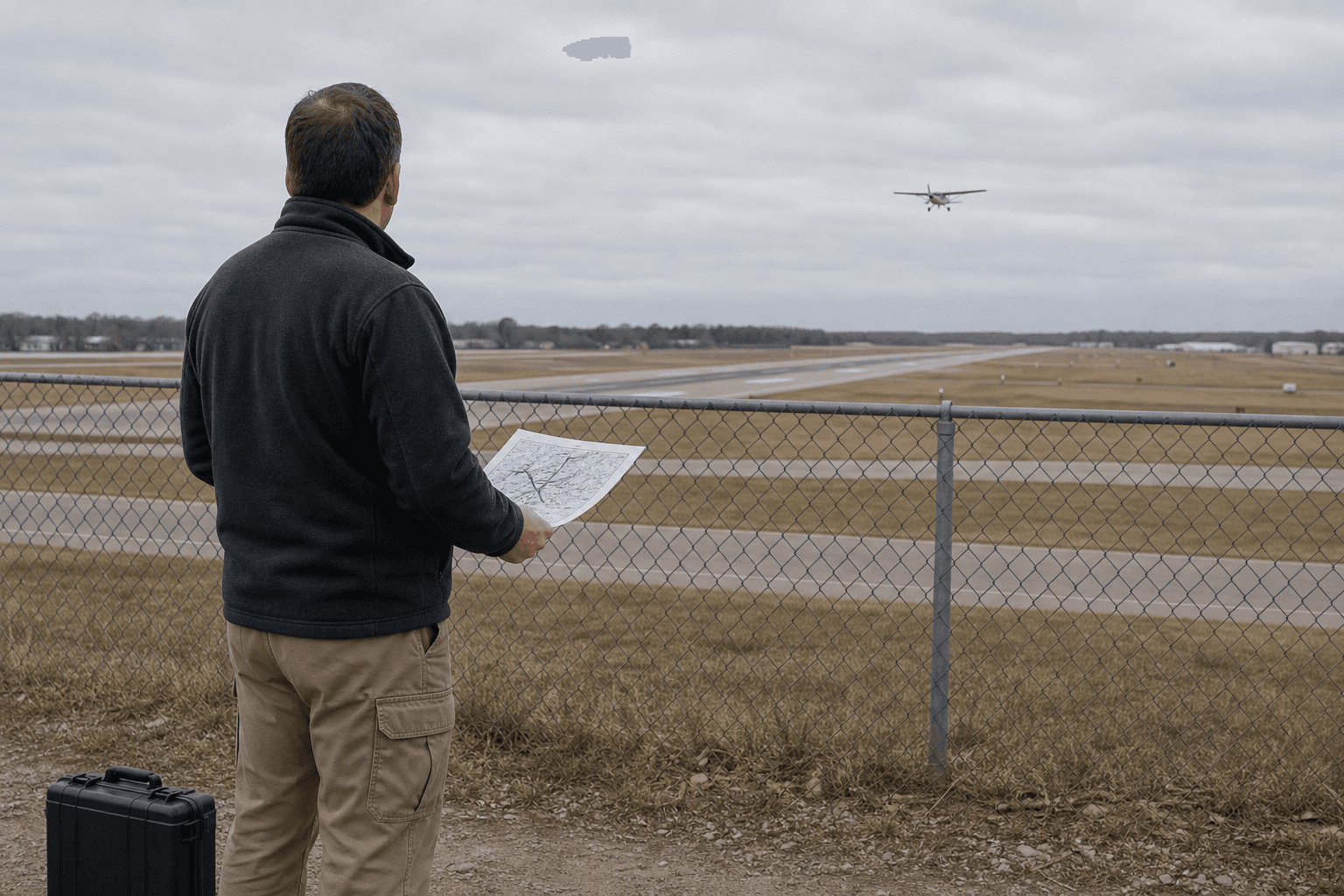
Rule watch · October 29, 2026
The FCC votes November 19 on a drone control network at 450 MHz and drone-detection radar at 24 GHz
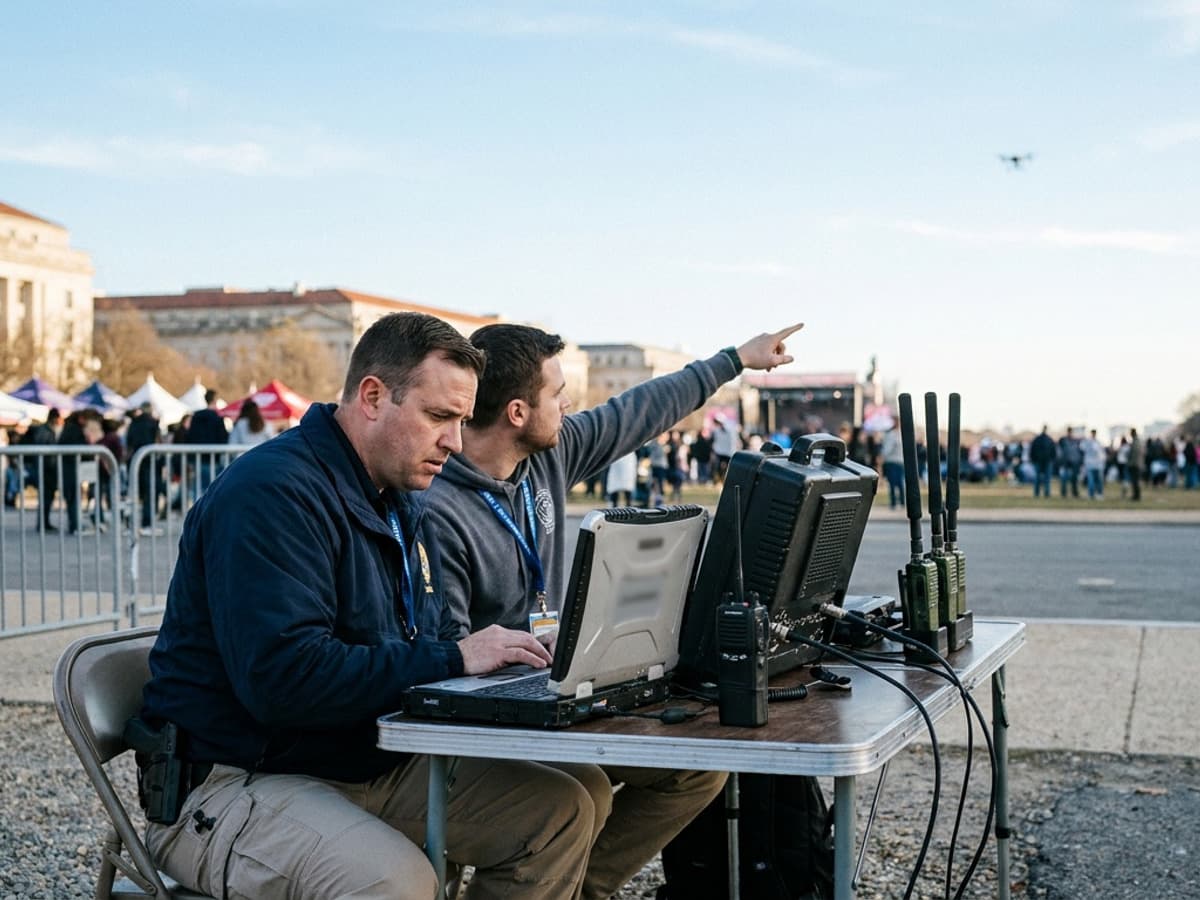
Rule watch · July 26, 2026
The new counter-drone authority for local police is narrower than the headlines suggest
Rule watch · November 2, 2026