The FCC's drone docket closed with 3,847 filings and a brief from a former Solicitor General
The final count in PS Docket 26-189 is 3,847. Pilot Institute's review of the readable filings puts opposition at 98.6 percent, and DJI's comment is signed by the 48th Solicitor General of the United States.
By Joel Kelly

Decision brief
A comment docket changes nothing about an aircraft you already own. What changed is the shape of the fight. The record now holds a legal argument that the FCC never had the authority to do this, which is the kind of claim that survives into a courtroom. Watch the Ninth Circuit case and the reply-comment round rather than the filing count.
- Filings on record
- 3,847
- Opposed as written
- 98.6%
- DJI's ask
- Rescind
3,173 express and 674 standard, per the FCC docket page
Pilot Institute review of 3,824 readable filings
Failing that, an 18-month transition in place of 180 days
The count
3,847 filings, and the figure we published before was low.
The comment record in PS Docket 26-189 closed on September 2, and the FCC's docket page now reports 3,847 total filings, split into 3,173 express filings and 674 standard filings. Drone Authority's earlier report put the figure at more than 2,250, which was as far as a walk of the FCC's public API could get before its rate limit stopped the count. The docket page is authoritative and 3,847 is the number.
Almost all of it is public comment. The FCC's breakdown lists 3,799 filings typed as comments, 11 as oppositions, six as replies to comments, and single-digit counts of complaints, letters, statements, ex parte notices and extension motions, plus one appeal. Individual pilots and small operators supplied the volume, but the record also drew a joint filing from seven energy and utility trade groups, among them the Edison Electric Institute, the American Petroleum Institute, the National Rural Electric Cooperative Association and the American Chemistry Council, whose members fly thermal and LiDAR payloads on pipeline and transmission inspections.
What the record says
Near-total opposition, and one commenter who agreed on the economics.
Pilot Institute reviewed 3,824 filings with readable text and classified 3,770 as opposing the proposal as written against 16 supporting it, which is 98.6 percent opposition. The organization is careful about what that represents: it counts who chose to file rather than sampling the industry, and Pilot Institute filed in opposition itself. Drone Authority also has an affiliate relationship with Pilot Institute, whose Part 107 course we recommend. The sharper number in the analysis is narrower. The FCC tentatively concluded that the restrictions would carry no substantial economic or supply chain impact and asked commenters for data. Of everyone who answered that question, Pilot Institute counts exactly one who agreed with the agency.
The legal turn
DJI's filing argues the FCC never had the authority.
DJI filed on the last day. The ECFS record shows the comment was authored by Travis LeBlanc, a former chief of the FCC's own Enforcement Bureau, and Elizabeth Prelogar, the 48th Solicitor General of the United States. DroneXL and DRONELIFE, which both read the 26-page filing, report that it argues the seven military-grade categories appear nowhere in the December 2025 national security determination the notice rests on, that the Secure and Trusted Communications Networks Act requires a specific determination about particular equipment from a particular entity rather than a category drawn by country of origin, and that a drone is not equipment essential to the provision of advanced communications service. It asks the bureaus to rescind the notice. Failing that, it asks for an 18-month transition in place of 180 days, continued access for state and local public safety agencies, and measurable technical thresholds for any capability test.
That is a different kind of document from the rest of the docket. Most filings tell the FCC the proposal will hurt. This one tells the FCC it lacks the power, in the vocabulary appellate courts use when they vacate an agency action. It matters because the same argument is already running in the Ninth Circuit, where DJI's challenge to the underlying December 2025 Covered List action is docketed as No. 26-1029, alongside a petition for reconsideration DJI filed in January. If either one narrows or vacates that listing, the military-grade proposal loses the predicate it was built on.
What happens next
Reply comments, then an order on the FCC's own clock.
What remains open is the reply-comment round, which answers what others put on the record rather than reopening the original question. After that the bureaus can issue an order whenever they choose, with no statutory deadline, and the notice proposes a 180-day wind-down running from Federal Register publication of any final action. None of it reaches an aircraft already owned, which stays authorized to fly.
Source file
Verify the reporting
- FCC ECFS: PS Docket 26-189 docket detail and filing totals
- FCC ECFS: SZ DJI Technology Co., Ltd. comments in PS Docket 26-189 (filed September 2, 2026)
- Federal Register: seeking comment on prohibiting importation and marketing of certain foreign-produced military-grade UAS (August 3, 2026)
- Pilot Institute: analysis of the PS Docket 26-189 comment record
- DRONELIFE: FCC military-grade drone proposal draws overwhelming opposition (September 4, 2026)
- DroneXL: DJI tells the FCC its military-grade drone ban was invented in-house (September 3, 2026)
Continue on Drone Authority
Put the report to work
Continue this beat
More policy reporting
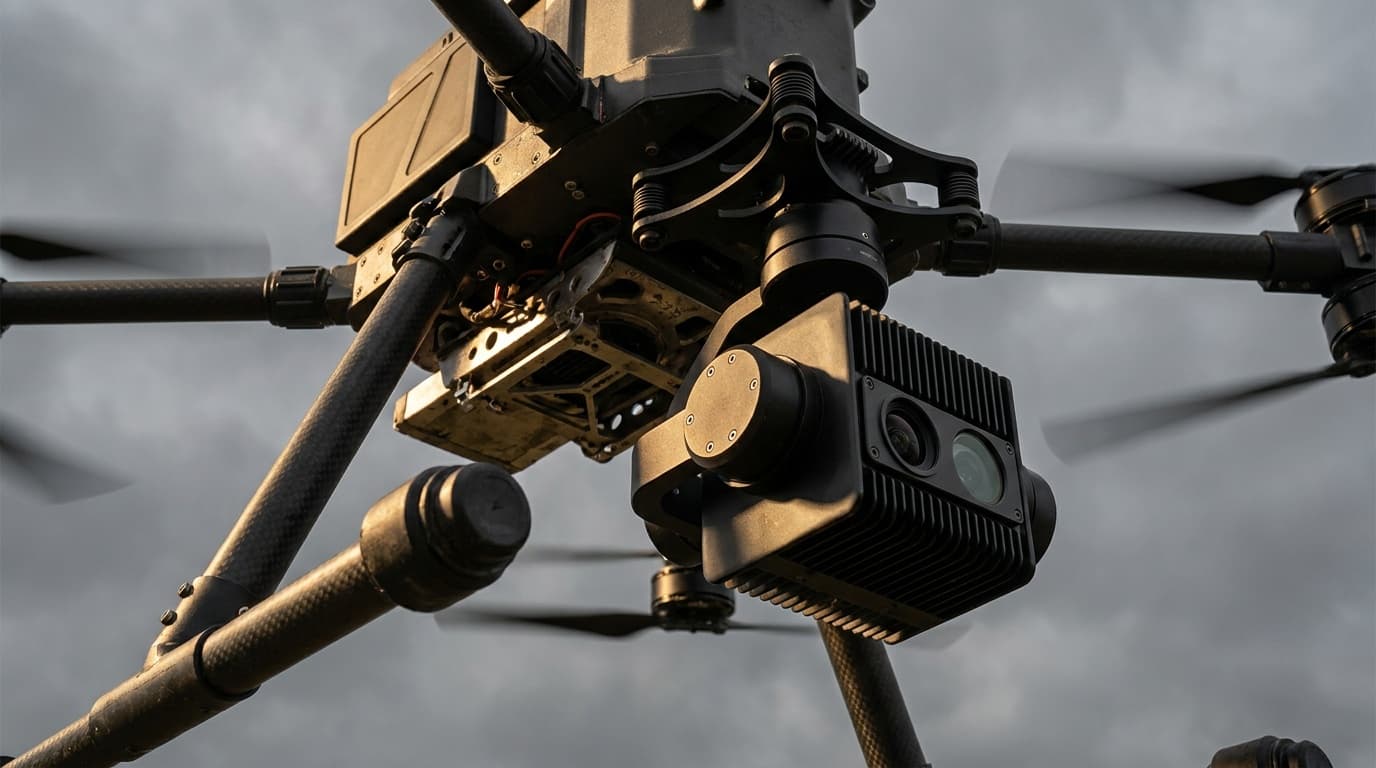
Rule watch · September 2, 2026
The FCC's 26-189 drone comment window closed with 3,847 filings on the record
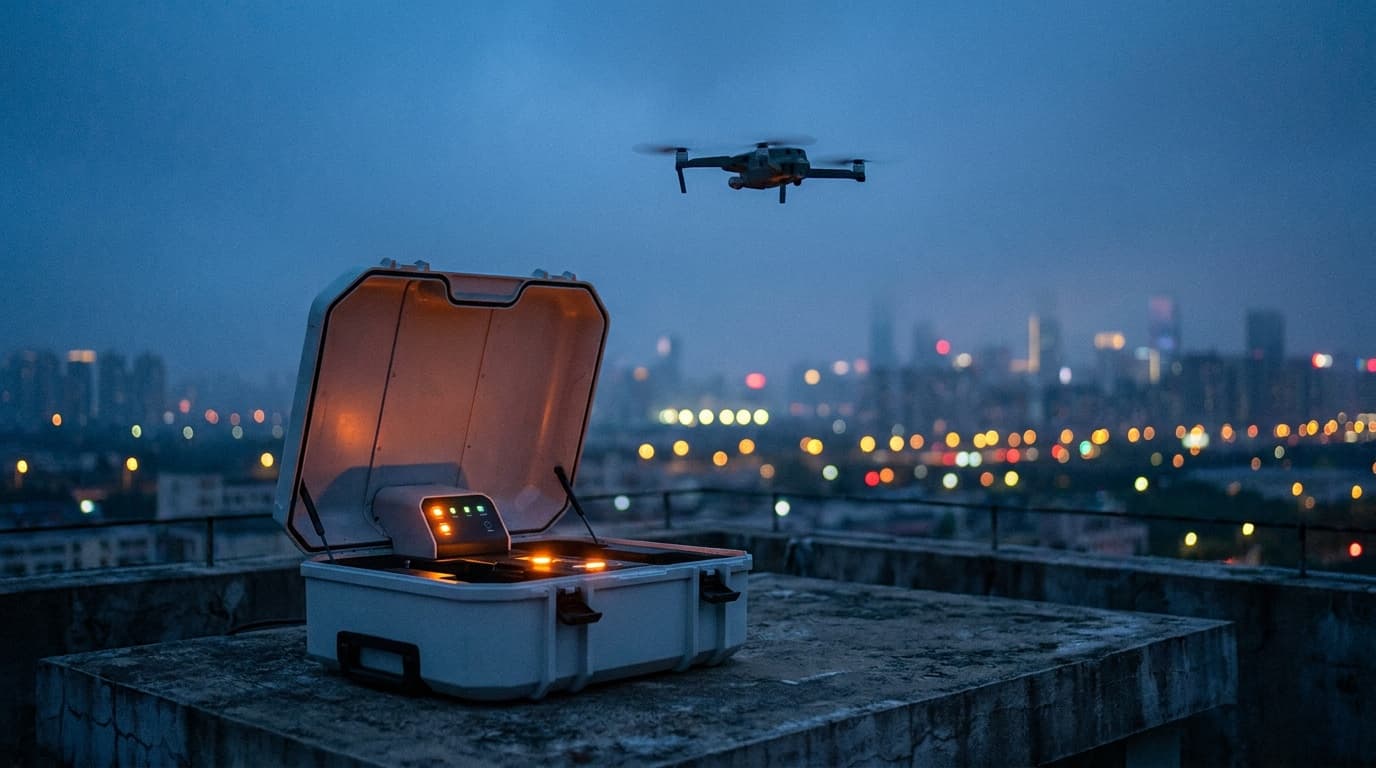
Rule watch · August 10, 2026
FCC proposal could stop future U.S. sales of some foreign thermal, LiDAR, spray, docked, and swarm drones
Rule watch · September 14, 2026