FAA proposes $289,215 fine over 15 fertilizer-drone flights
The agency says Gorge Drones dispensed fertilizer without an agricultural aircraft operator certificate and used an unregistered aircraft without an airworthiness certificate.
By Joel Kelly

Decision brief
A Part 107 certificate does not authorize crop spraying by itself. Before buying or flying a spray drone, map the Part 137 operator certificate, aircraft registration, exemption or airworthiness path, and state pesticide requirements for the exact operation.
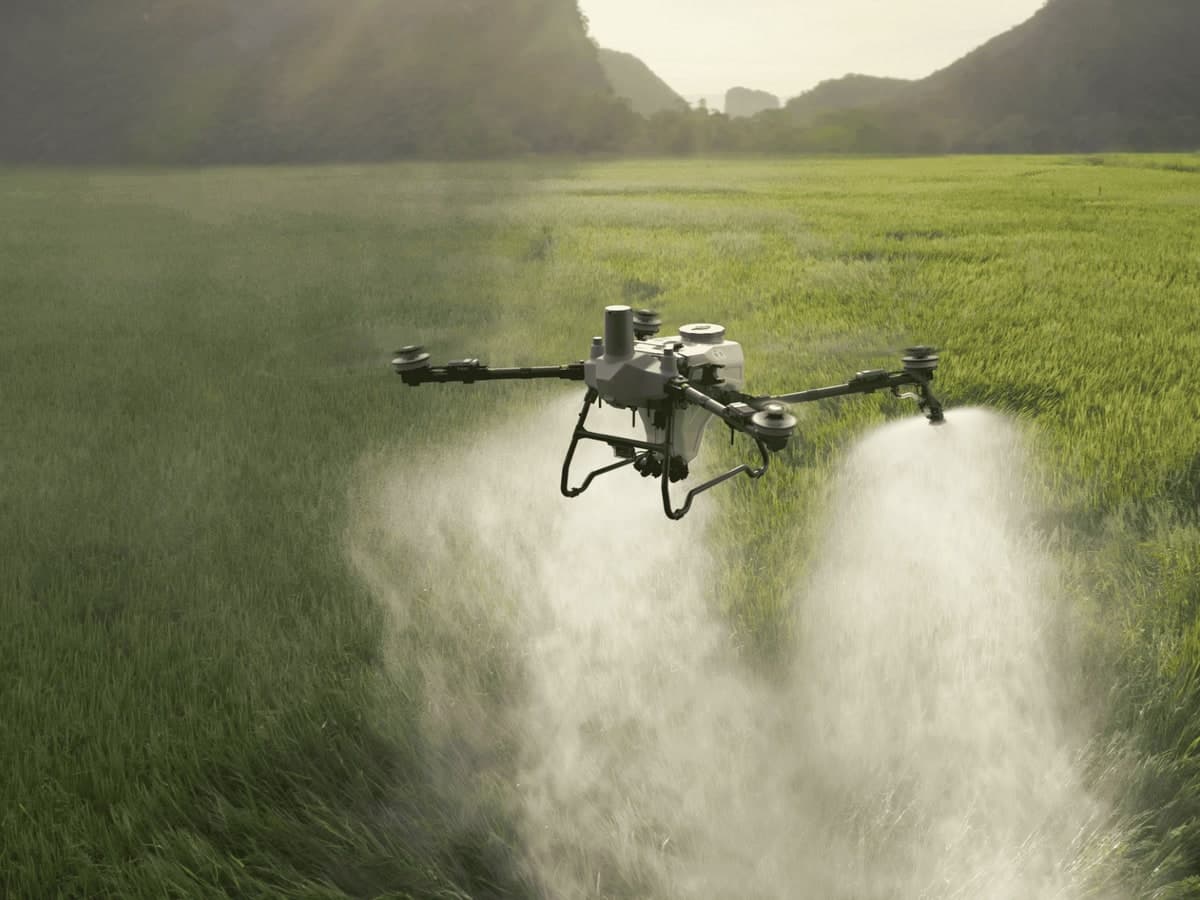
The FAA proposed a $289,215 civil penalty against Gorge Drones of Stevenson, Washington, on August 7. The agency alleges the company used a drone to dispense fertilizer on 15 occasions between March and April 2025 without an agricultural aircraft operator certificate. It also alleges the aircraft was not registered and did not have an airworthiness certificate.
02
This is a proposed civil penalty, not a final finding. The FAA release does not identify the aircraft, fertilizer, operating locations, loaded weight, exemption status, or how the proposed amount was divided among the alleged violations. Those omissions matter because the approval path changes with the aircraft, substance, and operation.
03
Part 137 governs aircraft operations that dispense substances for plant nourishment, soil treatment, propagation, pest control, or work directly affecting agriculture, horticulture, or forest preservation. The FAA's current UAS process begins with aircraft registration, then requires the applicable exemption path before an operator applies for the Agricultural Aircraft Operator Certificate. Aircraft at or above 55 pounds follow a different regulatory path from ordinary small UAS operations.
04
Agricultural imaging is not the same activity as dispensing fertilizer or pesticide. A pilot mapping crop health may remain within Part 107, while a spray operation can add Part 137, aircraft approvals, state applicator credentials, label restrictions, and other state or local requirements. The case is a useful warning against treating the remote pilot certificate as the entire operating stack.
Source file
Verify the reporting
Continue on Drone Authority
Put the report to work
Continue this beat
More policy reporting
Product watch · July 11, 2026
A 90-liter spray tank won't get you through Part 137

Rule watch · September 14, 2026
Arizona's one-mile drone ban around ticketed events is in force. It reaches commercial flights, not hobby ones, and the schools rule is the reverse.

Rule watch · September 12, 2026