The FCC votes October 29 on opening the 800 MHz cellular band to drones, ending a ban from 1991
A draft order released October 8 would lift the airborne-use ban that has kept drones off 50 megahertz of low-band cellular spectrum. The same meeting takes up a rule that would stop the FCC from recognizing test labs in countries without reciprocal deals, which reaches every new drone sold in the U.S.
By Joel Kelly
More onFCC & the Covered List
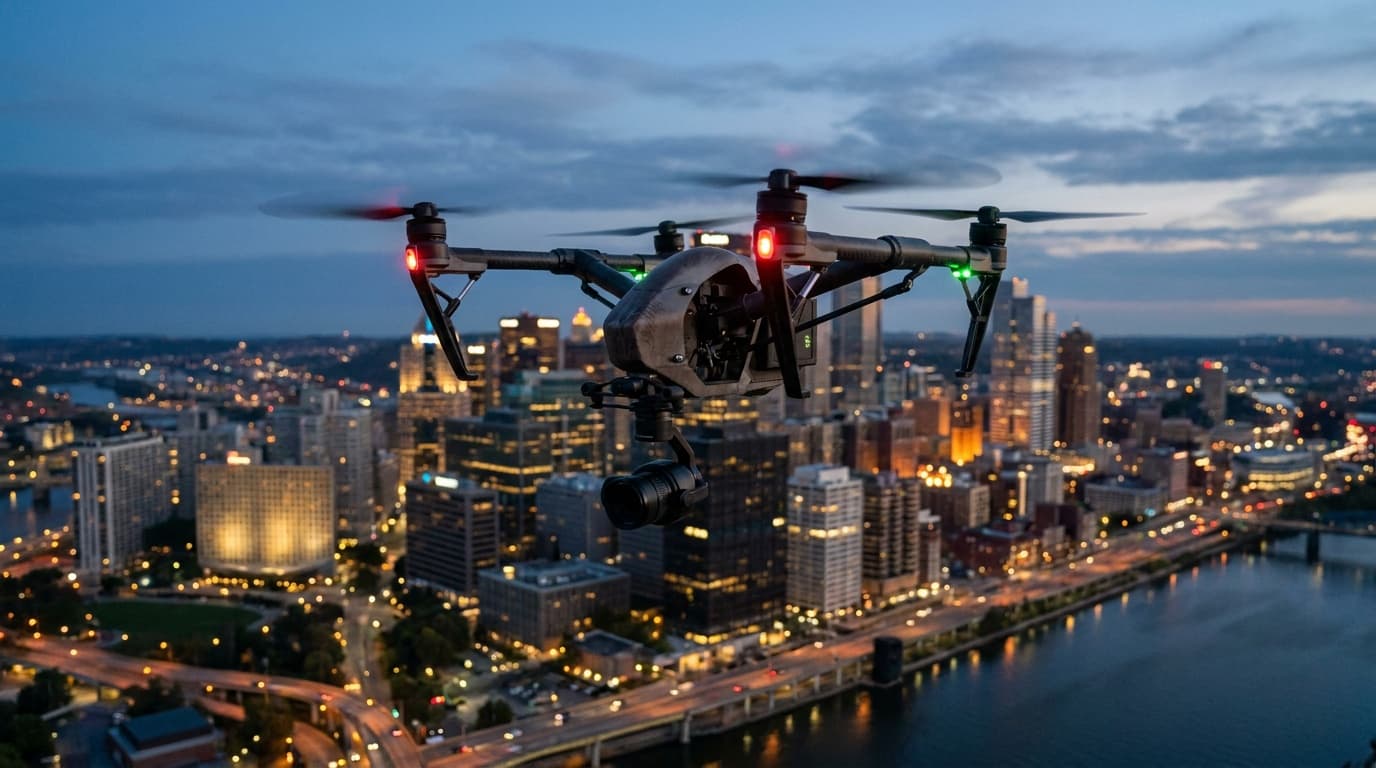
Decision brief
Most consumer drones talk to their controllers on unlicensed 2.4 and 5.8 GHz radio, so the spectrum change does not touch them. It matters for drones that fly on carrier networks, such as delivery aircraft and long-range inspection work, and it is one more piece of the groundwork for routine beyond-visual-line-of-sight flight. It does not authorize a single flight: FAA rules still apply, and Part 108 is still at the White House. The test-lab rule is the one that could reach the price and timing of new drones, with a deadline of December 1, 2028.
- Vote
- Oct. 29, 2026
- Spectrum
- 50 MHz
- Test labs
- Dec. 1, 2028
FCC open meeting, 10:30 a.m. ET; draft released Oct. 8
824 to 849 MHz and 869 to 894 MHz, the 800 MHz cellular band
End of the transition for testing in non-reciprocal countries
The order
A 1991 phone-on-planes rule, rewritten for drones.
The FCC will vote on October 29 on an order that lets drones use the 800 MHz cellular band. Chairman Brendan Carr announced the item in an October 7 blog post, and the FCC released its tentative agenda and a public draft of the order on October 8. The band covers 824 to 849 MHz and 869 to 894 MHz, 50 megahertz of licensed, nationwide, low-band spectrum. Section 22.925 of the FCC's rules, codified in 1991 from a 1984 policy, bans airborne use of cellular equipment in it. The FCC adopted that ban to keep phones on airplanes from interfering with towers on the ground. The draft says it also shut drones out of the band, long before drones were a business.
The draft changes section 22.925 to allow drones and adds a primary mobile allocation for drone operations to the U.S. Table of Frequency Allocations. It keeps the rule that bars airline passengers from using their phones in flight. The FCC finds that modern networks can handle drones without the interference the old rule guarded against. It points to 3GPP standards, starting with Release 15, that added drone identification, height reporting, and interference controls. AT&T, Verizon, CTIA, Qualcomm, and Ericsson supported the change in their comments. If the FCC adopts the order, it takes effect 30 days after it is published in the Federal Register. The text can still change before the vote.
Who it helps
Drones on carrier networks, not the controller in your hands.
The draft lists the uses it expects: precision agriculture, utility and pipeline inspection, search and rescue, wildfire monitoring, and last-mile delivery. AT&T and Verizon told the FCC the band's signal reach suits drone work in rural and suburban areas. Drones in the band must follow the existing cellular service rules, and the FCC says operators remain subject to FAA rules. The spectrum is a radio link, not permission to fly. Part 108, the FAA rule meant to make beyond-visual-line-of-sight flights routine, has been under White House review since July 10.
The second item
Where drones get tested for FCC approval.
The same meeting takes up a second item that reaches every new drone sold in the U.S. Each model needs FCC equipment authorization, which usually rests on testing at an accredited lab. The draft would stop the FCC from recognizing test labs, certification bodies, and lab accreditation bodies in countries that lack a mutual recognition agreement or a similar reciprocal deal with the U.S. All substantive testing and certification would have to happen in the U.S. or a reciprocal country after a transition that ends December 1, 2028. Carr's chart puts 82.3% of 2025 equipment authorization applications at test firms in China, which he says refuses to recognize U.S. labs. The FCC will also seek comment on more equipment authorization measures.
Source file
Verify the reporting
- FCC: Fact Sheet and public draft Report and Order, Unleashing American Drone Dominance, GN Docket No. 26-74 (FCC-CIRC2610-03, October 8, 2026)
- FCC: FCC Announces Tentative Agenda for October Open Meeting (October 8, 2026)
- FCC Chairman Brendan Carr: Hammer Down (blog post, October 7, 2026)
- DRONELIFE: "Hammer Down": FCC Moves to Open 50 MHz of Spectrum for Drones (October 8, 2026)
Continue this beat
More policy reporting

Rule watch · September 2, 2026
Part 108 has been at the White House review desk since July 10, past the FAA's own July target
Rule watch · October 4, 2026
An Italian drone dock is the 19th system exempted from the FCC Covered List under Conditional Approval
Rule watch · September 12, 2026