Sonoma County settled the ACLU's drone case. Code enforcement now needs a warrant or consent to fly over a home.
Permit Sonoma agreed on September 2 to stop warrantless drone surveillance of homes and their surroundings, notify residents who were surveilled, delete footage after 30 days, and put a revised policy through public comment, ending a lawsuit over a program that began as cannabis enforcement in 2019.
By Joel Kelly
Decision brief
This is a settlement, not a court ruling, and it binds one county agency. It matters anyway because it applies a California constitutional line drawn in 1985 to the equipment that exists now: a code inspector with a zoom lens and a thermal camera at 100 feet is searching the curtilage and needs a warrant, consent, or an emergency. If you fly for a city or county under contract, ask who obtained the authority for the flight before you launch over a fenced yard. If you are the homeowner, Sonoma residents now get notice, a 30-day deletion clock, and a public policy; ask your own county what it has.
- Settled
- Sept. 2, 2026
- Warrant rule
- Homes and curtilage
- Retention
- 30 days
ACLU of Northern California v. Sonoma County, filed June 2025
Exceptions for emergencies and owner consent
After collection, or after an investigation closes
What was settled
A warrant or consent before the flight, with notice after it.
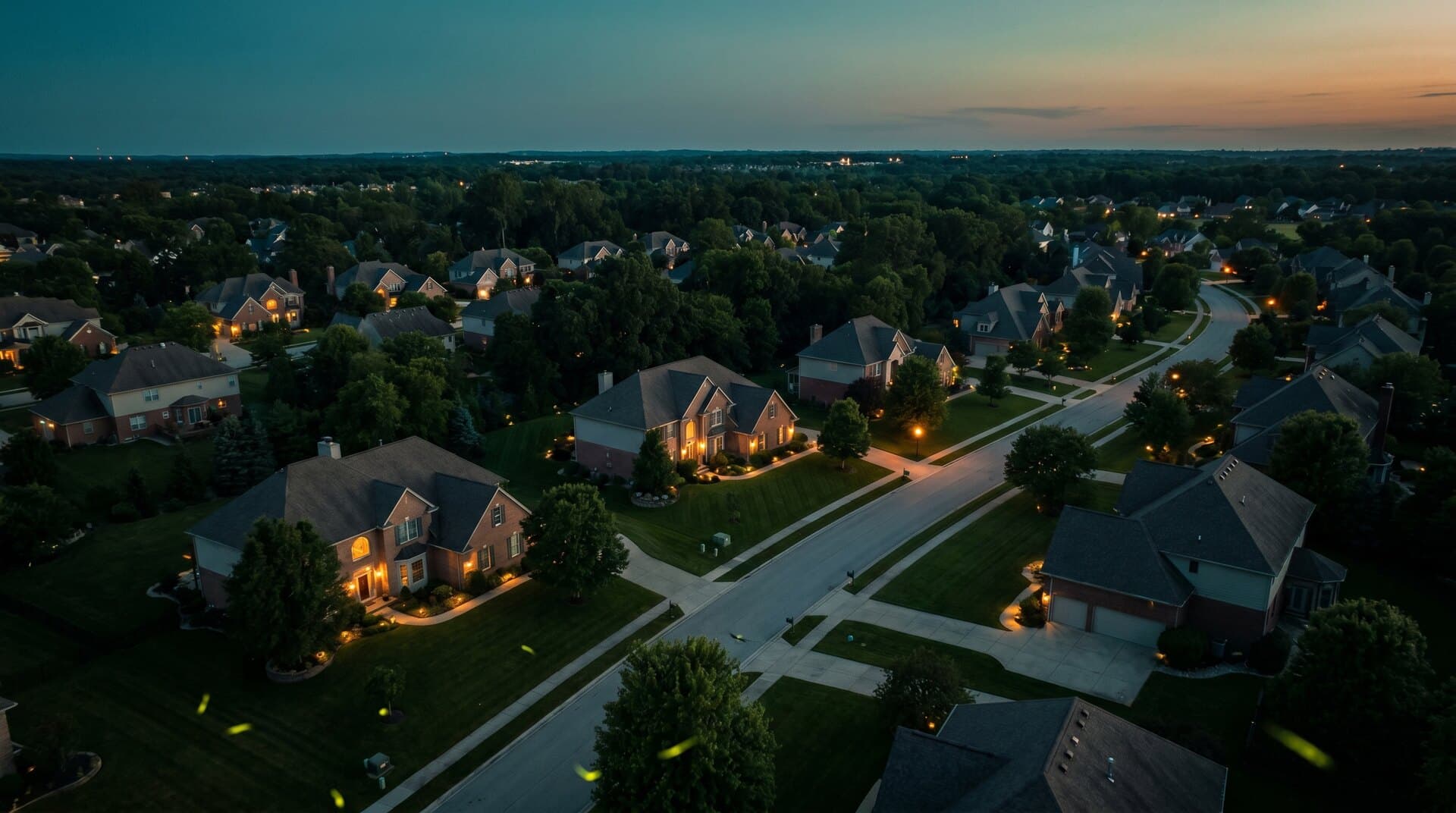
The ACLU Foundation of Northern California announced on September 2 that it has settled its lawsuit against Sonoma County over the code enforcement drone program run by Permit Sonoma, the county's planning and permitting agency. Under the settlement, Sonoma County Code Enforcement is barred from warrantless drone surveillance of homes or the areas around them except in limited situations such as emergencies or with the property owner's consent. The ACLU filed the case in June 2025 with O'Melveny & Myers on behalf of three residents, arguing that the flights were unreasonable searches under the California Constitution.
The program started in 2019 to find unpermitted cannabis grows on rural parcels inspectors could not see from the road. According to the ACLU, it widened into general code enforcement, with low-flying aircraft recording homes, fenced yards, pools, and hot tubs, mostly without residents' knowledge, and the footage used as evidence for violations that produced millions of dollars in fines. Plaintiff Nichola Schmitz, who is Deaf, learned in 2023 that a county drone had hovered over her farm home; she could not hear it, someone else on the property pointed it out, and the county later fined her thousands of dollars and placed a lien on the property based in part on that flight. KQED reports the county will pay each of the three plaintiffs $50,000 and admitted no fault.
The terms
Thirty-day deletion, no third-party sharing, a public policy, and two years of flight logs.
The operating terms are specific. Permit Sonoma must notify residents whose homes have been surveilled by drone. Footage is deleted 30 days after collection, or 30 days after an investigation closes if it is part of one. Images of a home or its surroundings are not shared with third parties unless the law requires it. The agency must present a revised drone policy to the Board of Supervisors for public comment, and it must produce its drone flight logs to the ACLU for two years. KQED and Reason both note that the settlement preserves the agency's ability to use drones for inspections; what it fences is where, and under what authority.
The legal footing is older than the technology. The ACLU's release points to a California Supreme Court decision from about forty years ago, People v. Cook in 1985, which held that warrantless aerial surveillance of a fenced backyard violated the state constitution's privacy protection. The settlement applies that rule to aircraft the 1985 court did not imagine: quiet, low, with long zoom and thermal sensors. Sonoma County agreed to the terms rather than litigate whether Cook reaches a drone at 100 feet, so there is no new precedent, only a county that has accepted the argument.
What to do
Ask who authorized the flight before you fly it for a county.
For pilots the useful part is the authority question. Government drone inspection is a real line of Part 107 work, and the contractor is rarely the one deciding whether a flight over a fenced yard is a search. Sonoma's terms make a workable checklist to put to any public client: what authorizes this flight over private curtilage, who notifies the resident, how long the imagery is kept, and who else sees it. For residents outside Sonoma County, the settlement is a template for what to ask a code office that flies. The state law page below covers what California requires of private operators, which is a different body of law from the constitutional limit on government searches.
Source file
Verify the reporting
- ACLU of Northern California: settlement announcement in Schmitz v. Permit Sonoma (September 2, 2026)
- Settlement agreement, Schmitz v. Permit Sonoma (PDF)
- ACLU of Northern California: case page, Schmitz, et al. v. Permit Sonoma, et al.
- KQED: Sonoma County agency agrees to reel in drone program after privacy violations (September 9, 2026)
- Reason: A California county used drones to spy on homes; a settlement will now require warrants (September 3, 2026)
Continue on Drone Authority
Put the report to work
Continue this beat
More policy reporting
Rule watch · July 26, 2026
The new counter-drone authority for local police is narrower than the headlines suggest
Safety · July 28, 2026
A police-drone livestream sat behind one unprotected link
Rule watch · September 14, 2026