Skip to content
Aerial view diving along a mountain ridge lineUNDER 250 G · NO REGISTRATION*

Gear · Buying guide

The best sub-250g drones in 2026

Under 249 grams, a drone flown purely for fun is exempt from FAA registration — which is why this weight class has the best drones ever made. Six picks, from the Mini 5 Pro flagship to palm-launch selfie drones. The asterisk matters: TRUST is still required, and any commercial flight means Part 107 and registration, no matter the weight.

DJI Mini 5 Pro
DJIBest Mini Camera
9.2/10

DJI Mini 5 Pro

Camera-first travelers who want a 1-inch sensor in the smallest serious platform and will verify actual takeoff weight and the U.S. support path.

  • Best-in-class compact camera: 1-inch sensor, RAW stills, 10-bit D-Log M, and 4K/120
  • True vertical capture and 225-degree gimbal roll expand the shot vocabulary
  • Strong ActiveTrack, omnidirectional vision, forward LiDAR, and route-aware RTH
Flight & camera
9.5
Owner sentiment
9.0
Build
9.0
Value
8.5

Affiliate link: we may earn a commission at no extra cost to you. Disclosure

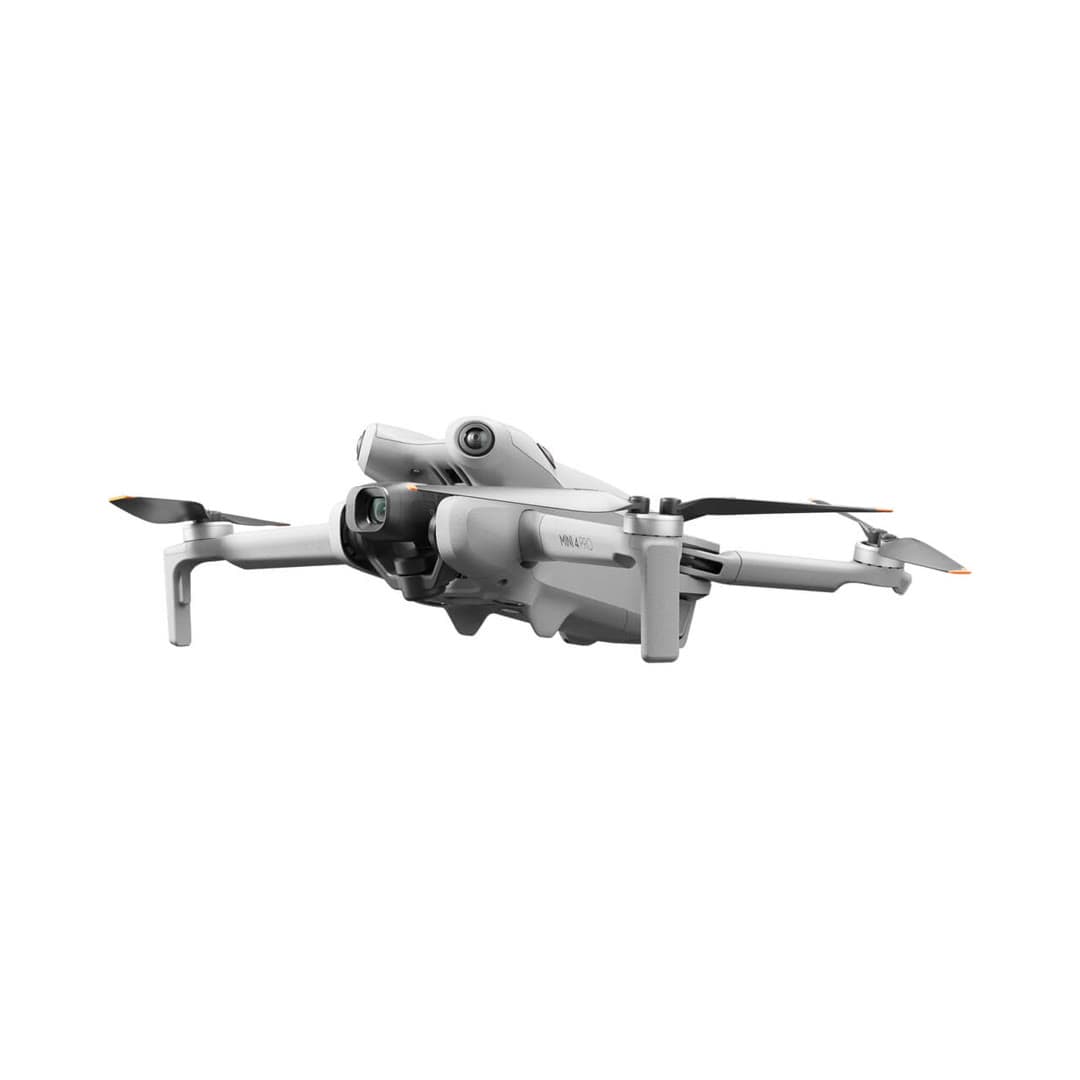
DJI Mini 4 Pro
DJIBest Overall (Sub-250g)
9.0/10

DJI Mini 4 Pro

9.0/10$760 – $1,100

Buyers who want the best all-round drone that still skips FAA registration.

  • Omnidirectional obstacle sensing, rare in a sub-250 g drone
  • Strong 1/1.3-inch sensor with 4K/60 HDR and 10-bit D-Log M

Affiliate link: we may earn a commission at no extra cost to you. Disclosure

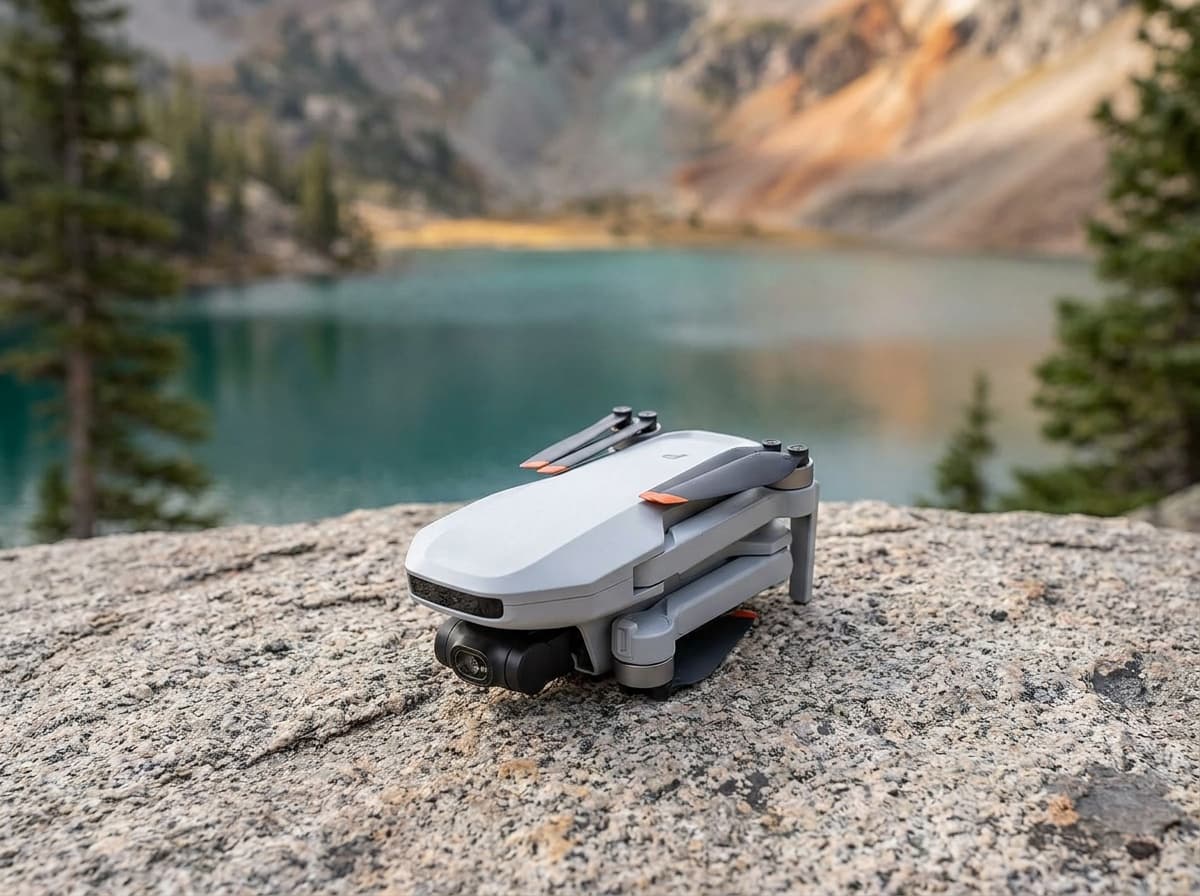
Potensic ATOM 2 folded on a granite rock by an alpine lake
PotensicBest Non-DJI Value
8.3/10
Illustrative render

Potensic ATOM 2

8.3/10$330 – $450

First-drone buyers who want DJI-Mini capability without DJI supply anxiety.

  • True 3-axis mechanical gimbal at a budget price
  • Sub-250 g — recreational registration exempt

Affiliate link: we may earn a commission at no extra cost to you. Disclosure

DJI Flip
DJIBest for Beginners
8.4/10

DJI Flip

8.4/10$440 – $520

Nervous first-time pilots who still want genuinely good 4K footage and a safety-first design.

  • Same strong 1/1.3-inch sensor and 4K/60 HDR as the pricier Mini 4 Pro
  • Built-in propeller guards reduce contact risk while learning; they do not create permission to fly over people

Affiliate link: we may earn a commission at no extra cost to you. Disclosure

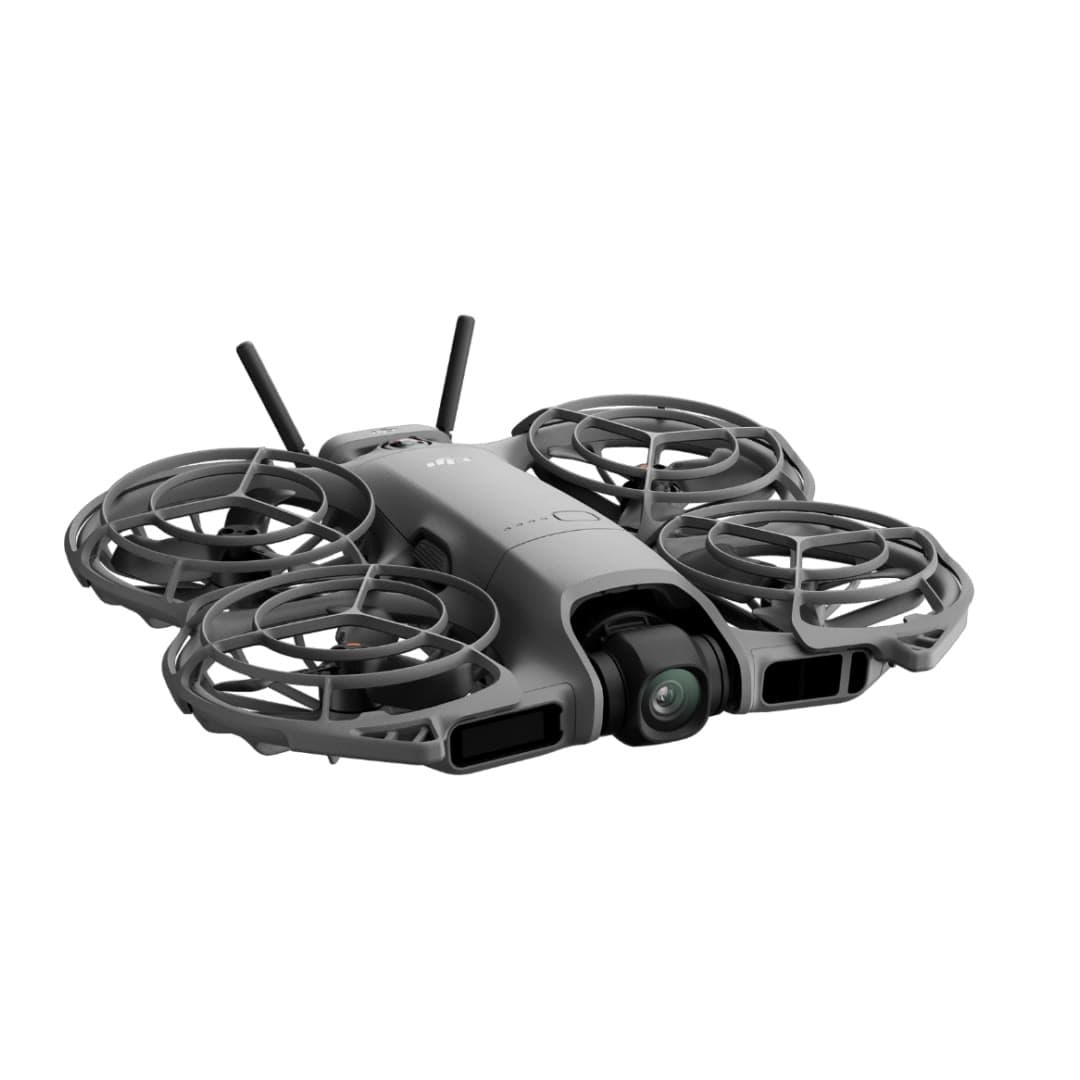
DJI Neo 2
DJIMost Improved
8.5/10

DJI Neo 2

Solo creators who value automatic tracking and instant self-filming more than RAW photos, long endurance, or Mini-series image quality.

  • Two-axis gimbal, 4K/60, and omnidirectional sensing fix the original Neo's biggest limits
  • Fast subject tracking, palm launch, gesture control, and return-to-palm work without a controller

Affiliate link: we may earn a commission at no extra cost to you. Disclosure

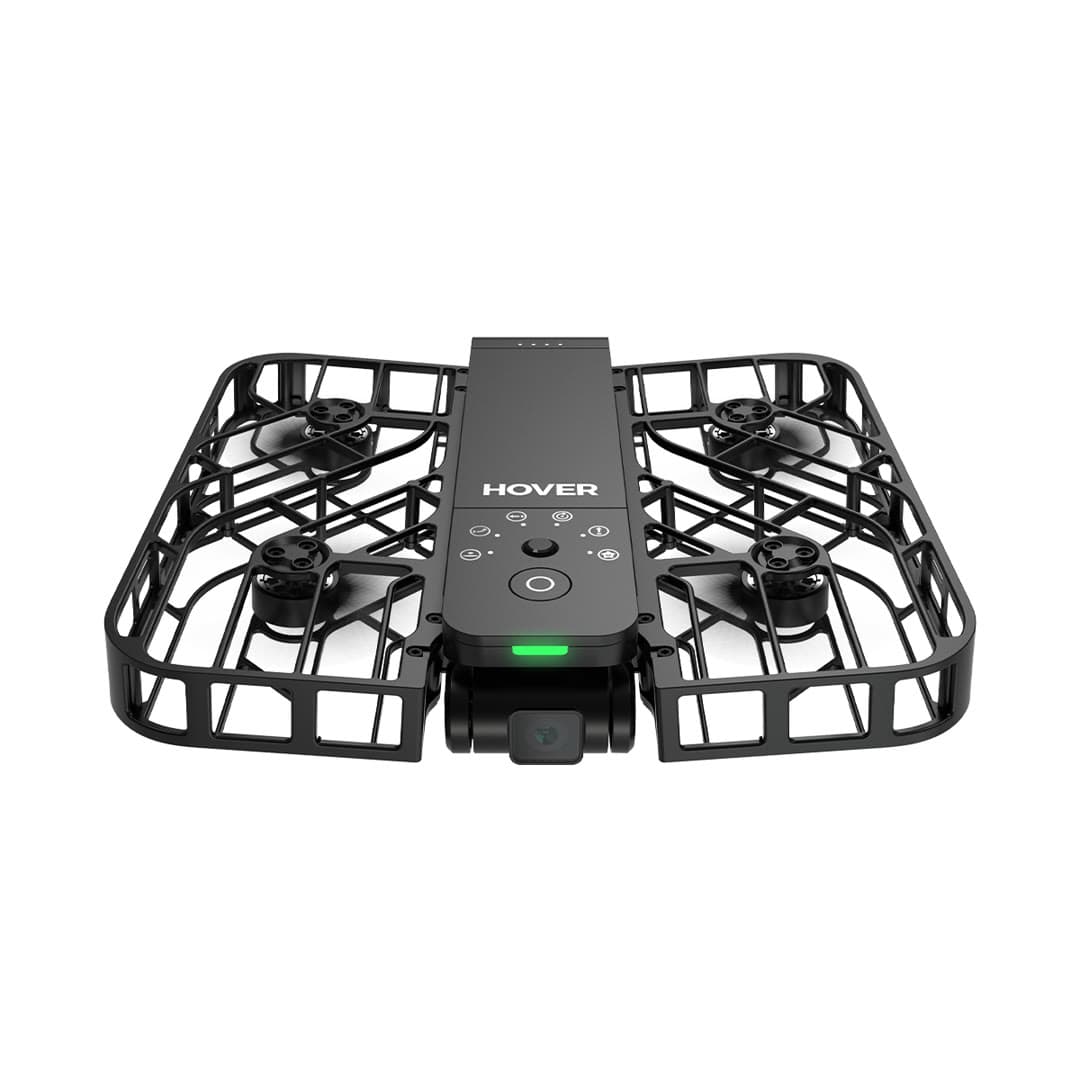
HOVERAir X1
HOVERAir
7.6/10

HOVERAir X1

7.6/10$300 – $400

Creators and athletes who want automatic follow-me video without learning to pilot.

  • Self-flying, enclosed, and genuinely pocketable for content creators
  • 125 g and recreational registration exempt; enclosed propellers reduce contact risk

Affiliate link: we may earn a commission at no extra cost to you. Disclosure

Not sure if your drone needs registration?Walk through the FAA registration rules — recreational vs. Part 107, the 250-gram exemption, TRUST, and Remote ID — in plain English.

Frequently asked questions

Do I really not have to register a drone under 250 grams?
Only if you fly purely for recreation. The FAA's registration exemption applies to drones weighing less than 250 g (0.55 lb) flown exclusively under the recreational exception. You still must pass the free TRUST test and carry the certificate. If you fly under Part 107 — any commercial, paid, or business use — you must register the drone regardless of weight.
Does the 250-gram limit include the battery and accessories?
Yes. The limit is takeoff weight — everything attached to the drone when it leaves the ground: battery, propellers, prop guards, filters, and any payload. Several sub-250g drones offer optional extended batteries that push takeoff weight over 250 g, which breaks the recreational registration exemption and can change the drone's category under other rules.
Do sub-250g drones need Remote ID?
It depends on how you fly. A drone that doesn't require registration (under 250 g, flown recreationally) doesn't require Remote ID either. But the moment the drone must be registered — commercial use, or takeoff weight at or over 250 g — Remote ID applies. Most current sub-250g DJI drones broadcast Remote ID anyway, so you're covered either way.
Can I fly a sub-250g drone for my business without a Part 107 certificate?
No. The weight class changes nothing about certification. Any flight that isn't purely recreational — real-estate photos, paid video, marketing content for your own business, even flights that indirectly support a business — requires a Part 107 remote pilot certificate and drone registration, whether the aircraft weighs 249 g or 2 kg.
Are the other FAA rules relaxed for drones under 250 grams?
No. Sub-250g drones follow the same operating rules as everything else: visual line of sight, maximum 400 feet in uncontrolled airspace, LAANC authorization in controlled airspace, no flying over people without meeting the category rules, and all airspace restrictions. The only breaks are the recreational registration exemption and, when unregistered, Remote ID.

Prices shown are bands or live Amazon prices where our daily check has verified them. As an Amazon Associate we earn from qualifying purchases. The sub-250g registration exemption applies only to purely recreational flight; TRUST is still required, and heavier batteries or accessories can push takeoff weight over 250 g. See our drone laws hub before flying.