Skip to content
A micro FPV quad banking hard close to the groundFPV · MICRO

Gear · Deep dive

FPV microdrones: Tinywhoops, RTF kits, and where Avata fits

The smallest drones in the hobby are the best teachers in it. Here is what a Tinywhoop actually is, how the kit landscape breaks down, and an honest answer to the question every beginner asks: should I start with a whoop kit or just buy the DJI one?

What a Tinywhoop actually is

A Tinywhoop is a micro FPV quadcopter, usually 65 to 85 mm across measured motor to motor, with ducted propellers. The ducts matter: they protect the props, protect whatever you hit, and let you fly in a living room without redecorating it. The whole aircraft weighs somewhere between 20 and 60 grams and runs on tiny single-cell (1S) lithium batteries that cost a few dollars each and give you roughly three to five minutes per charge.

You will see two motor types. Brushed motors are the older, cheaper option: quiet, gentle, and effectively disposable, since they wear out after a couple dozen flight hours. Brushless motors cost more but last essentially forever, hit noticeably harder, and are now standard on anything worth buying, including the kits on this page. If a bargain kit does not say brushless, assume brushed and assume you will be replacing motors.

The reason the whoop became the canonical FPV trainer is simple economics plus simple physics. Crashes are the tuition of FPV, and a whoop makes tuition nearly free: 25 grams of ducted foam-and-plastic hitting a wall at 20 mph damages nothing, while a 5-inch freestyle quad doing the same costs you props at best and an arm or a camera at worst. Because a whoop is harmless, you can fly it indoors every single day, in winter, at night, in a small apartment. Daily stick time is what actually builds the skill. And because whoops fly the same flight modes as big quads, including full manual acro, every hour on a whoop transfers directly to the 5-inch quad you will probably want later.

RTF, BNF, PNP: the kit landscape, decoded

Micro FPV gear is sold in four states of completeness, and the acronyms confuse everyone exactly once. Here is the whole decoder:

RTF (ready to fly)
Everything in one box: the quad, a radio, goggles, batteries, and a charger. Zero prior gear required. The BetaFPV Cetus kit is the standard example at roughly $170 to $230, and it is how most people should start. The trade-off is that the bundled radio and goggles are entry grade, so you will replace them if the hobby sticks.
BNF (bind and fly)
Just the quad, pre-built. You bind it to a radio you already own and watch it through goggles you already own. This is the normal second purchase: once you have a real radio and decent goggles, every future quad is a $100 to $200 BNF instead of another full kit. Check the receiver protocol (ELRS is the current default) and the video system (analog, HDZero, Walksnail, or DJI) against what you own before buying.
PNP (plug and play)
A built quad with no receiver. You solder in your own. It saves a little money and adds a soldering iron to the requirements, which makes it a niche choice for pilots who already have a drawer of receivers.
Full self-build
Frame, motors, flight controller, camera, all soldered by you. Maximum knowledge, maximum repairability, and honestly not where to start with a whoop, since micro components are fiddly even for experienced builders. If building appeals to you, our FPV drone builder lays out full parts lists for the sensible paths.

The pattern that works: buy RTF once, then go BNF forever. An RTF kit like the Cetus gets you flying this week for about the price of a video game console, and the skills it teaches are permanent even though the hardware is not. You can check the current Cetus kit price on Amazon or read our full review first.

BetaFPV Cetus FPV Kit
BetaFPVBest FPV Starter
7.7/10

BetaFPV Cetus FPV Kit

7.7/10$170 – $230

Anyone who wants to learn FPV flying without assembling parts or a big outlay.

  • Everything to start FPV in one box: goggles and radio included
  • Stepped flight modes safely bridge beginners to manual acro
  • Light enough to crash indoors and keep practicing
Flight & camera
8.0
Owner sentiment
8.0
Build
7.0
Value
8.5

Affiliate link: we may earn a commission at no extra cost to you. Disclosure

Where DJI's ready-made FPV fits

DJI sells a parallel universe of FPV. The Avata 2 is a ducted cinewhoop with a genuinely excellent 4K camera, sold with Goggles 3 and a motion controller, starting at $849. The Neo is a 135-gram palm drone that can pair with the same goggles for a cheaper taste of immersive flight. Both work perfectly out of the box, and neither requires you to learn anything about the hobby to use them. That is both the pitch and the catch.

Here is the honest comparison, because these paths solve different problems:

Whoop path (Cetus and up)DJI path (Avata 2, Neo)
Cost to startAbout $170 to $230 all-in$849+ for Avata 2 with goggles; Neo from $199, goggles extra
RepairabilityExcellent. Every part is a commodity you replace yourself for a few dollarsLimited. Crashed hardware usually means DJI Care or a repair invoice
EcosystemOpen. Mix any radio, goggles, and quads; ELRS and analog/HDZero/Walksnail all interoperateClosed. DJI goggles fly DJI aircraft; no custom parts path when you outgrow it
Skill growthThe whole point. Manual acro from day one leads straight to 5-inch freestyle and race quadsCapped by design. Stabilized modes are superb, but motion-controller habits do not transfer to sticks
Footage qualityPoor to decent; whoops are trainers, not camerasExcellent. 4K stabilized video out of the box

So the real question is what you are actually buying. If you want the skill, meaning the ability to fly anything, fix anything, and eventually rip a freestyle quad through a bando, start with the whoop path. If you want the footage, meaning cinematic FPV video this weekend with no soldering and no simulator hours, the Avata 2 is genuinely great at that job and we say so in our review. Plenty of pilots own both. Just do not buy an Avata 2 expecting it to teach you acro, and do not buy a Cetus expecting pretty video.

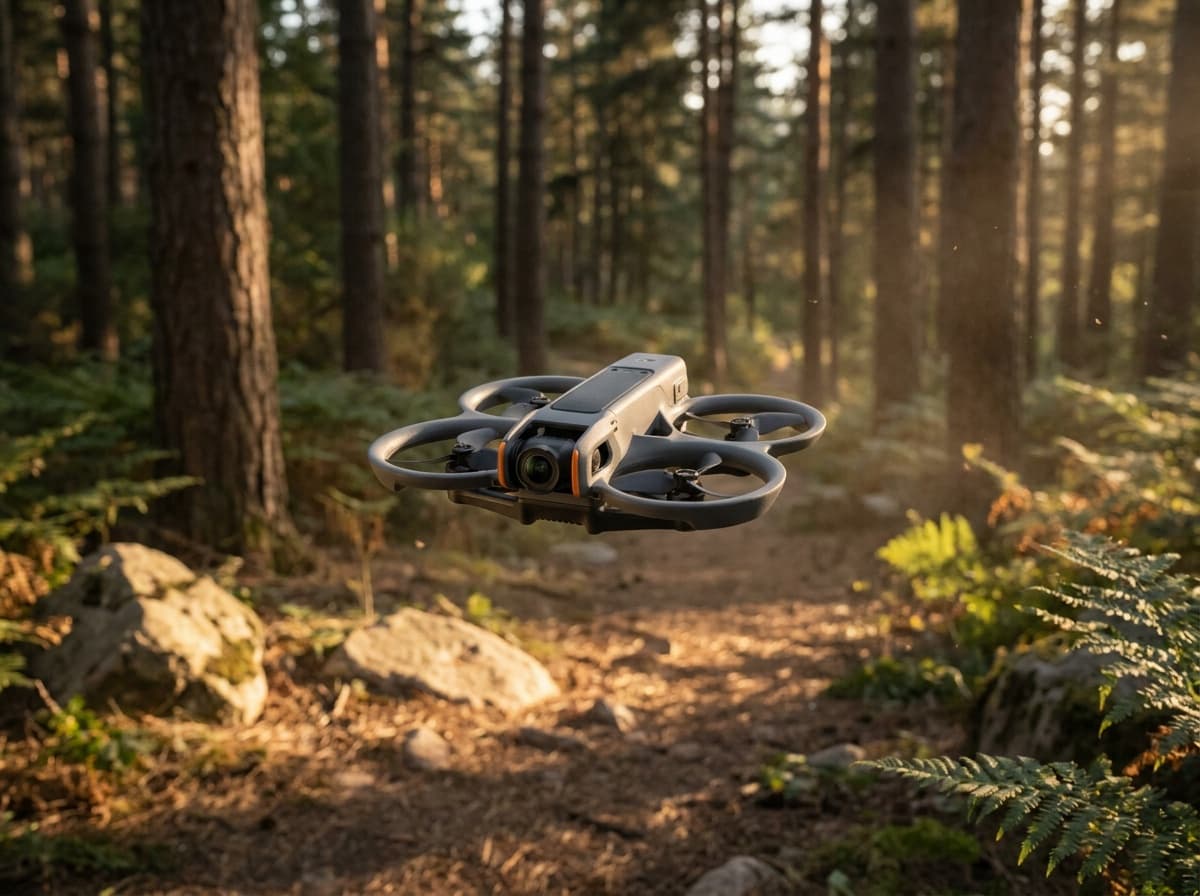
DJI Avata 2 hovering low over a forest trail
DJIBest FPV Starter
8.9/10
Illustrative render

DJI Avata 2

8.9/10$849 – $1,099 (combo)

Pilots who want goggle flying today, without building a quad first.

  • Complete FPV kit in one box — no building, binding, or soldering
  • Goggles 3 pairing with one-button acro makes immersive flying instantly accessible

Affiliate link: we may earn a commission at no extra cost to you. Disclosure

DJI Neo
DJIBest Value
8.1/10

DJI Neo

8.1/10$200 – $250

First-timers who mainly want hands-free selfie and follow clips, not landscape photography.

  • Takes off and lands in your hand; true no-controller flying
  • 135 g means no FAA registration for recreational use

Affiliate link: we may earn a commission at no extra cost to you. Disclosure

The legal quick-hits

  • Indoors is not FAA airspace. The FAA regulates the national airspace system, and your living room, garage, or an indoor whoop race venue is not part of it. Fly a whoop inside and none of the registration, remote ID, or line-of-sight rules apply. This is a big part of why whoops are the perfect trainer.
  • Sub-250 g skips registration for recreational flying. Every whoop and kit on this page is far under 250 grams, so flying recreationally outdoors requires no FAA registration. You still need to pass the free TRUST test and follow recreational rules. The Avata 2 is over 250 grams, so it must be registered no matter how you fly it.
  • Goggles require a visual observer outdoors. Line-of-sight rules under 14 CFR 107.31 and the recreational statute mean someone must keep unaided eyes on the aircraft while you are in the goggles. Indoors, again, this does not apply.
  • Paid flying means Part 107. Any compensated flight, including monetized FPV video, requires a Part 107 certificate. Our free study path covers everything on the exam.

The progression path

The route that works, in order: put five to ten hours into an FPV simulator, ideally with a real radio in your hands. Buy an RTF whoop kit and fly it indoors until manual mode feels boring. Upgrade your goggles and radio to gear you will keep for years. Then, and only then, decide between a 5-inch freestyle quad and a cinewhoop, and buy or build accordingly. Skipping steps costs more than it saves; every pilot who starts on a 5-inch donates at least one to a tree.

Frequently asked questions

Do I need to register a Tinywhoop with the FAA?
No, not for recreational flying. Tinywhoops weigh well under the 250-gram registration threshold, so recreational pilots only need to pass the free TRUST test. If you fly any drone for money, Part 107 rules apply and registration is required regardless of weight.
Can I legally fly FPV goggles by myself?
Outdoors, no. FAA line-of-sight rules require a visual observer who keeps the drone in unaided sight while you wear goggles. Indoors, the FAA does not regulate the flight at all, so solo goggle flying in your house or an indoor venue is fine.
Is a Tinywhoop or the DJI Avata 2 better for a beginner?
It depends on the goal. A Tinywhoop kit like the BetaFPV Cetus costs about a quarter of the price, survives endless crashes, and teaches real stick skills that transfer to every other drone. The Avata 2 produces far better video immediately but is a closed system that does not build acro skill. Buy the whoop to learn to fly; buy the Avata 2 to get footage.
What is the difference between brushed and brushless whoop motors?
Brushed motors are cheaper and quieter but wear out after roughly 20 to 30 flight hours and produce less power. Brushless motors last indefinitely, hit much harder, and are standard on every current kit worth buying. Treat brushed motors as consumables and brushless as permanent.
How long does a Tinywhoop fly on one battery?
Typically three to five minutes per 1S battery, depending on how hard you fly. Batteries cost a few dollars each and charge in about 30 minutes, so most pilots buy six to eight and rotate through them for continuous flying.

FPV (goggle) flight outdoors requires a visual observer under 14 CFR 107.31/107.33 and recreational rules. Aircraft over 250 g must be registered; paid flying requires Part 107. Educational, not legal advice; see our drone laws hub before flying. As an Amazon Associate we earn from qualifying purchases.