1,070 drone docks, 4 million flights: autonomy is leaving pilot-by-pilot scale behind
Skydio says its customers now operate more than a thousand remote docks across three countries. The important number is not the hardware count, but the operating model behind it.
By Joel Kelly

Decision brief
The emerging job is less about touching one controller and more about supervising fleets, exceptions, maintenance, data quality, and regulatory approval across many sites.
Skydio reported on July 6 that customers have deployed 1,070 Skydio Docks across three countries. The installations span public safety, infrastructure, and defense, placing aircraft at the site instead of requiring a pilot to transport and launch one for every mission.
02
The company also reports more than four million customer flights. That number covers its broader customer activity and should not be read as four million dock-launched missions. Both figures are company-reported milestones rather than an independently audited fleet census.
03
A dock changes the unit of work. One operator can monitor scheduled or event-triggered missions across several locations, while the system handles charging, environmental protection, aircraft readiness, and data transfer. Humans still own mission approval, exceptions, maintenance, and the response when automation cannot complete the plan.
04
The regulatory path remains mission-specific. Remote or beyond-visual-line-of-sight operations still require the appropriate FAA authority, operating area, crew design, and risk controls. Buying a dock does not make a location or flight profile legal.
05
For pilots moving into infrastructure or public safety, the skill stack is widening. Fleet software, networking, site surveys, remote troubleshooting, data governance, and repeatable standard operating procedures can matter as much as manual flight precision. Autonomy reduces some stick time, but it creates more operations work around the aircraft.
Continue on Drone Authority
Put the report to work
Continue this beat
More commercial reporting
Rule watch · October 6, 2026
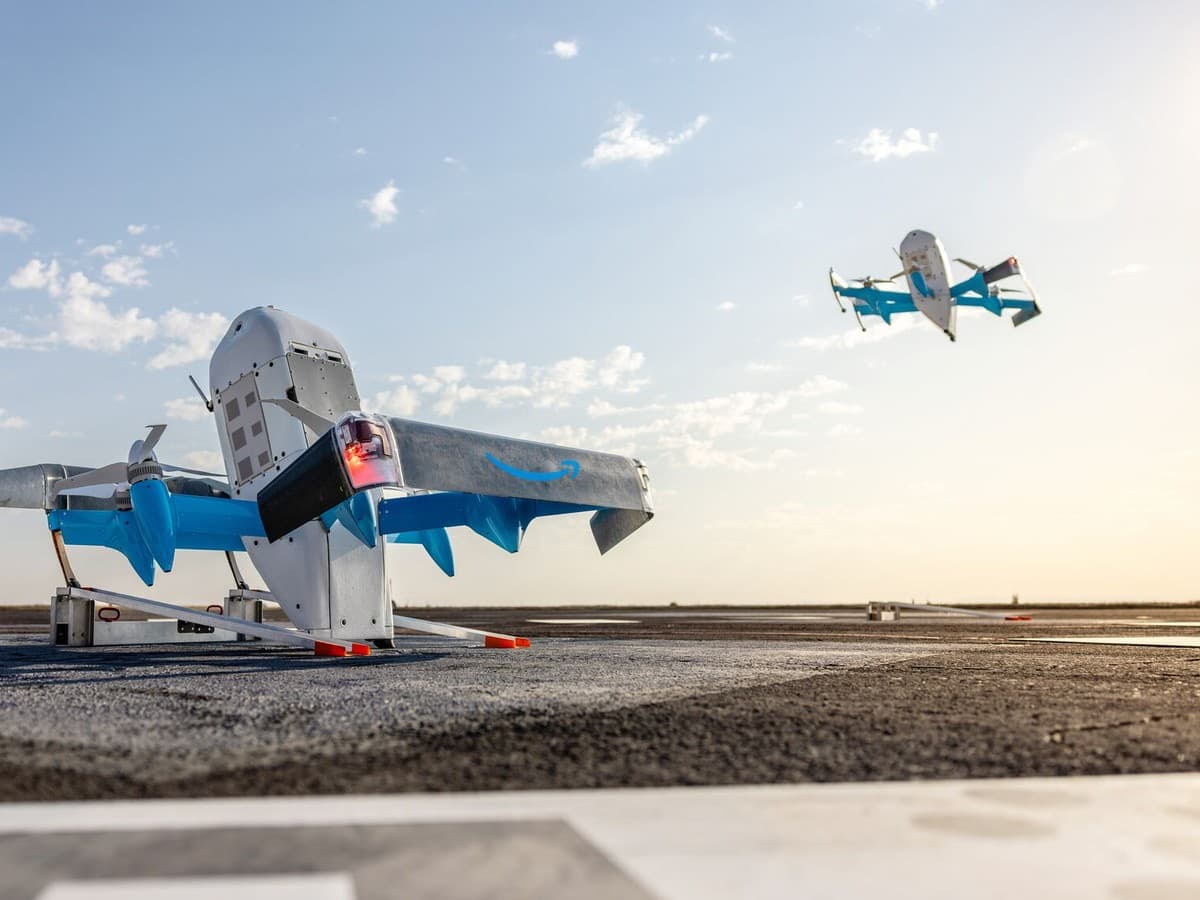
Connecticut extends comments on Amazon's North Haven drone delivery plan to October 15. The FAA asked the state to review up to 1,000 flights a day.
Industry · October 5, 2026
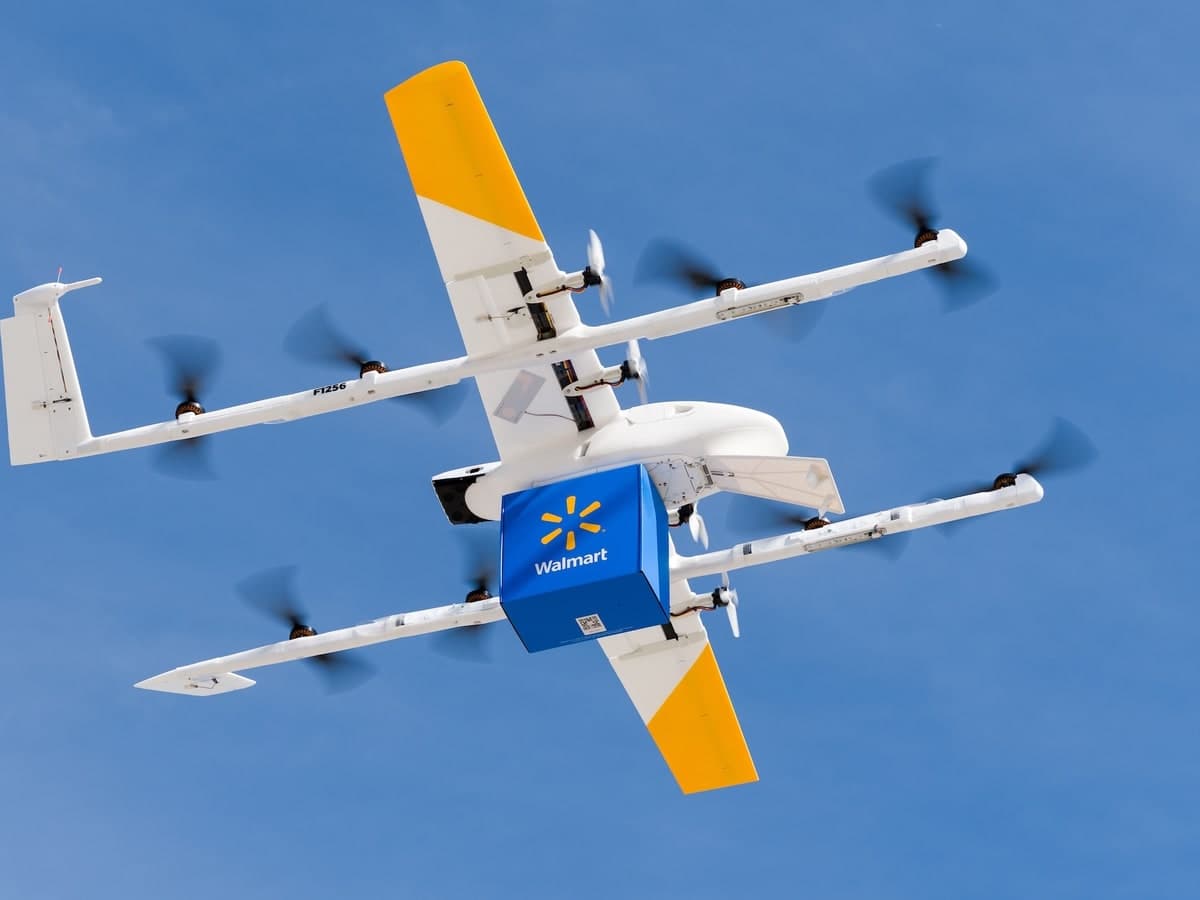
Wing and Walmart will bring drone delivery to Denver and Seattle in 2027

Rule watch · October 4, 2026