Wing and Walmart add seven metros as drone delivery starts behaving like a network
The next expansion reaches Memphis, New Orleans, Philadelphia, Phoenix, San Diego, the Bay Area, and Salt Lake City as Wing works toward more than 270 Walmart locations.
By Joel Kelly
More onWingDrone delivery

Decision brief
The visible drone is only one part of delivery. Scalable operations depend on hubs, loading, maintenance, customer geography, airspace, and FAA-approved network procedures.
Wing and Walmart announced on June 8 that their delivery network is expanding to Memphis, New Orleans, Philadelphia, Phoenix, San Diego, the San Francisco Bay Area, and Salt Lake City. The rollout is phased, so the announcement should not be read as every location becoming available on the same day.
02
Wing says the expansion will bring its U.S. presence to nearly 20 markets. Its broader target is more than 270 Walmart locations and access for over 40 million people by 2027. The company also reports completing well over one million commercial deliveries worldwide.
03
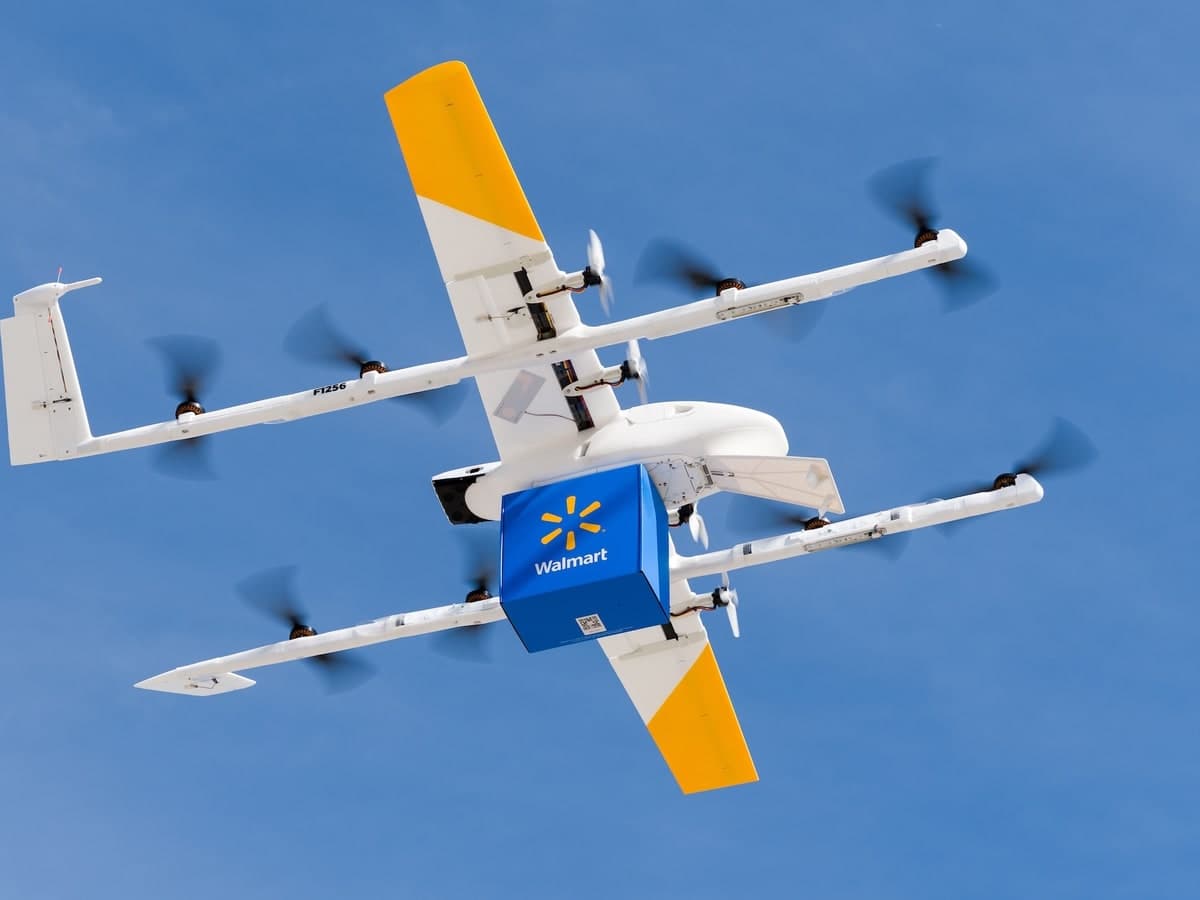
The aircraft can travel at up to 60 miles per hour and lowers orders on a tether instead of landing at the customer location. Wing markets delivery as fast as 30 minutes, but actual eligibility and timing depend on the participating store, service radius, inventory, weather, and local operating status.
04
The bigger shift is operational density. A seven-metro expansion requires site installation, loading workflows, aircraft maintenance, remote supervision, customer support, local outreach, and approved procedures that can repeat across stores. It is a logistics network with aircraft inside it, not a pilot taking one package across town.
05
For commercial pilots, delivery growth will not translate only into stick-and-rudder roles. The field needs operations coordinators, maintenance technicians, site launch teams, safety managers, and people who understand how Part 135, BVLOS approvals, and low-altitude traffic systems fit together.
Source file
Verify the reporting
Continue on Drone Authority
Put the report to work
Continue this beat
More commercial reporting
Rule watch · October 6, 2026
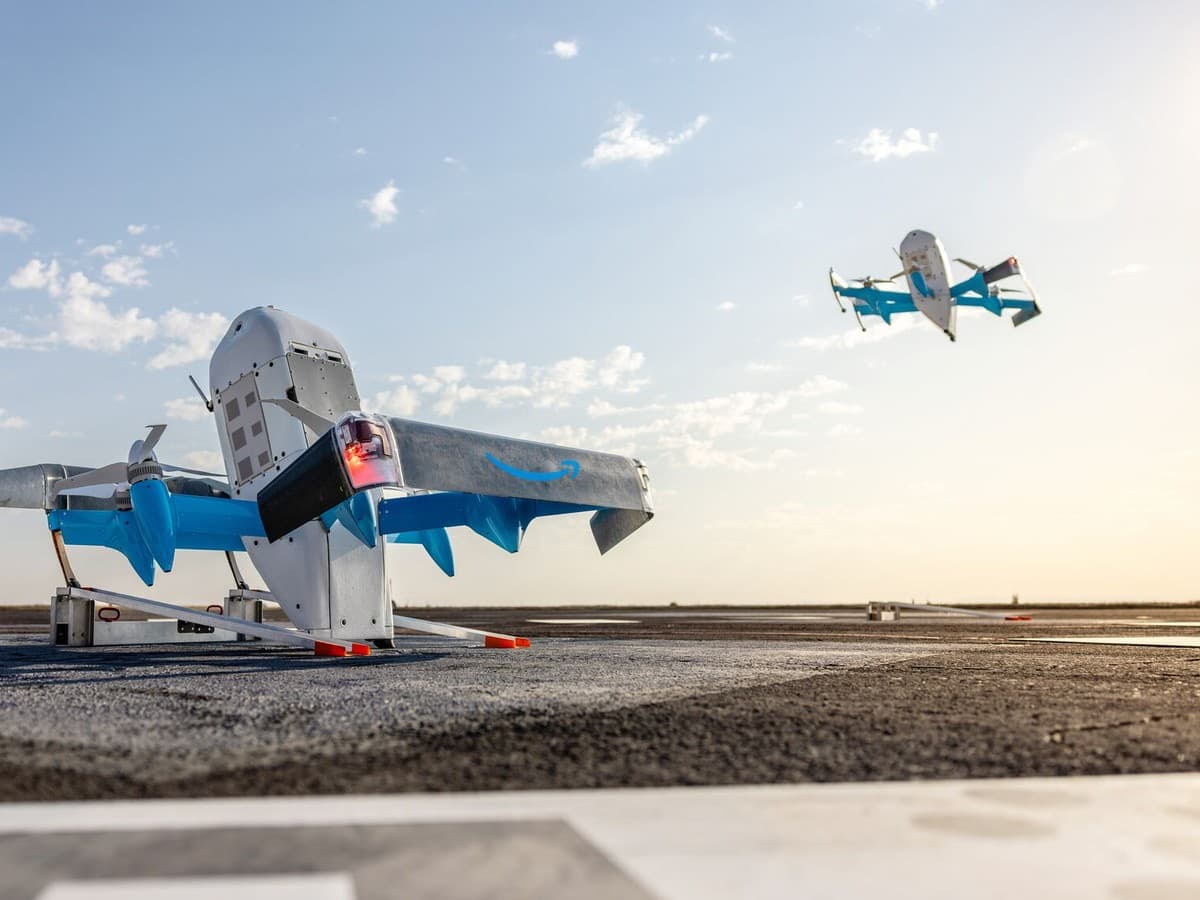
Connecticut extends comments on Amazon's North Haven drone delivery plan to October 15. The FAA asked the state to review up to 1,000 flights a day.
Industry · October 5, 2026
Wing and Walmart will bring drone delivery to Denver and Seattle in 2027

Rule watch · October 4, 2026