What pilots were told during the 2026 World Cup no-drone zones
The tournament restrictions ended after the July 19 final, but the separation between LAANC and security TFRs remains a useful preflight lesson.
By Joel Kelly
What changed: Updated July 26 after the tournament ended, preserving the report as a TFR case study and linking the FAA's seizure outcome.

Decision brief
The event has ended. For the next major event, open the live FAA TFR system immediately before launch because an ordinary Part 107 airspace authorization does not authorize entry into a security TFR.
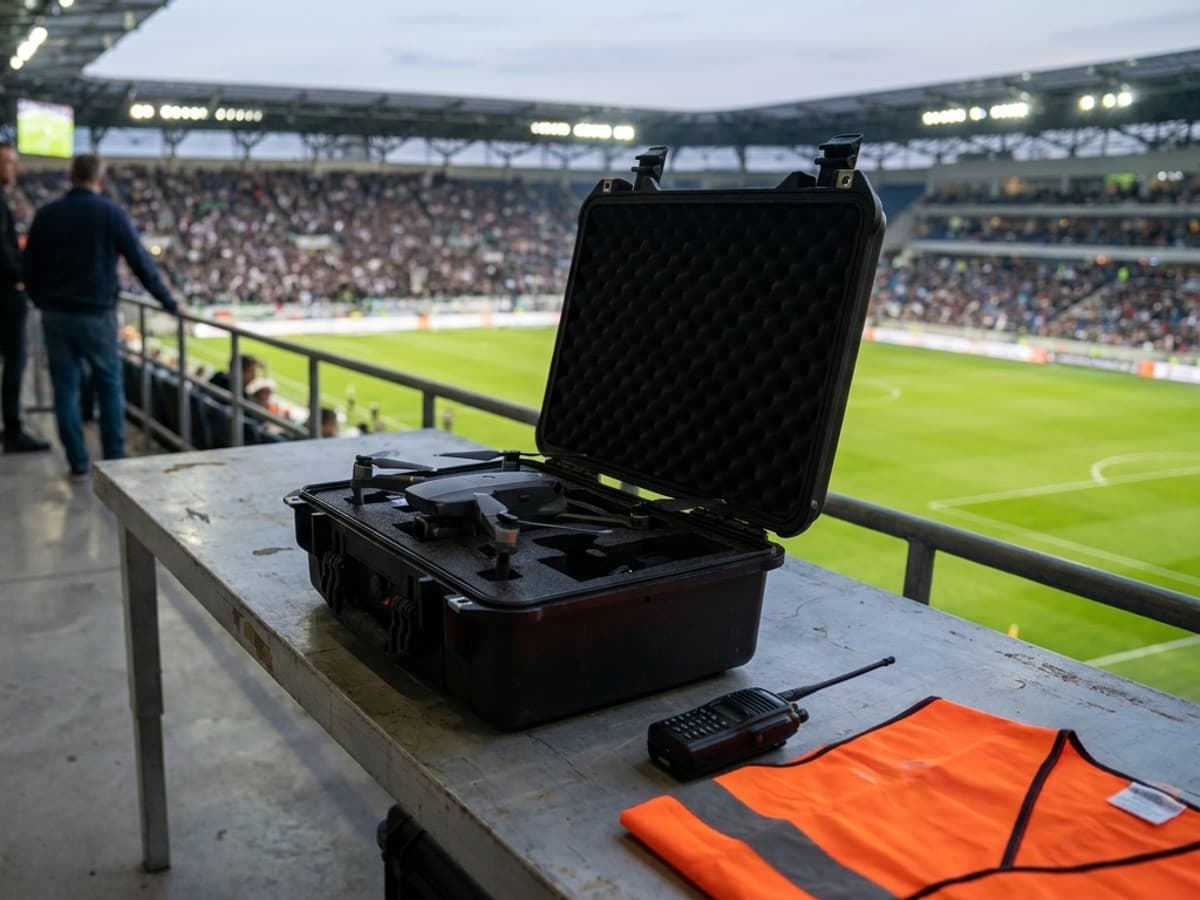
During the final week of the 2026 FIFA World Cup, temporary flight restrictions remained in force around matches, fan events, team hotels, base camps, and training sites through the July 19 final. The event has ended, so this report is retained as a preflight case study rather than a current restriction notice.
02
Match-day stadium TFRs generally reach three nautical miles from the venue and from the surface to 3,000 feet AGL. The FAA also lists separate drone restrictions around some fan events, hotels, base camps, and training facilities. Those can use different radii, altitudes, and active windows from the stadium restriction.
03
A LAANC approval or another routine airspace authorization does not override an active TFR. The FAA says a pilot must be specifically authorized to operate inside the restriction. That distinction matters in host cities where an otherwise familiar launch site can become unavailable for a narrow event window.
04
The consequence is more serious than a denied client shoot. The FAA warns that unauthorized flights can lead to drone seizure, certificate action, civil penalties, and criminal prosecution. The agency is also using drone detection and mitigation capabilities during the tournament.
05
Build a host-city preflight around the live TFR map, the full NOTAM text, and a last check immediately before launch. If a restriction touches the planned route, move the operation or obtain the specific authorization it requires. Do not infer access from the absence of a warning in a general-purpose flight app.
Source file
Verify the reporting
Continue on Drone Authority
Put the report to work
Continue this beat
More public safety reporting
Safety · July 26, 2026
700+ drones seized at the World Cup, where LAANC approval counted for nothing

Safety · October 8, 2026
NAS Jacksonville Air Show grounds drones within 5 nautical miles October 15 to 18, surface to 15,000 feet
Safety · October 7, 2026